











Clinical Trials
Injectable PrEP Works Equally Well for Transgender Women
Long-acting injectable pre-exposure prophylaxis (PrEP) works just as well for transgender women as it does for gay and bisexual men, with no advers...
Monoclonal Antibody Reduces Asthma Attacks in Black and Latino Youth
A National Institutes of Health (NIH) clinical trial found that mepolizumab, a monoclonal antibody, decreased asthma attacks by 27% among Black and...
Cortisol levels in rural Latina breast cancer survivors participating in a peer-delivered cognitive-behavioral stress management intervention: The ...
Background:
Compared to their White counterparts, Latina breast cancer survivors have poorer survival rates and health-related quali...
Do psychosocial treatment outcomes vary by race or ethnicity? A review of meta-analyses
Review
doi: 10.1016/j.cpr.2022.102192.
Online ahead of print.
Affiliations
Expa...
Spanish-Speaking Latinos Excluded From Alzheimer’s Clinical Trials
Latinos are almost twice as likely to develop Alzheimer’s disease and other related dementias compared with non-Latino white people. Despite this, ...
Group intervention for sexual minority adults with common mental health problems: preliminary evaluation
Background:
Stigma against lesbian, gay, bisexual or queer (LGBQ) people may increase their risk of mental illness and reduce their ...


Trending Topics
Features
- Drive Toolkit
Download and distribute powerful vaccination QI resources for your community.
- Health Champions
Sign up now to support health equity and sustainable health outcomes in your community.
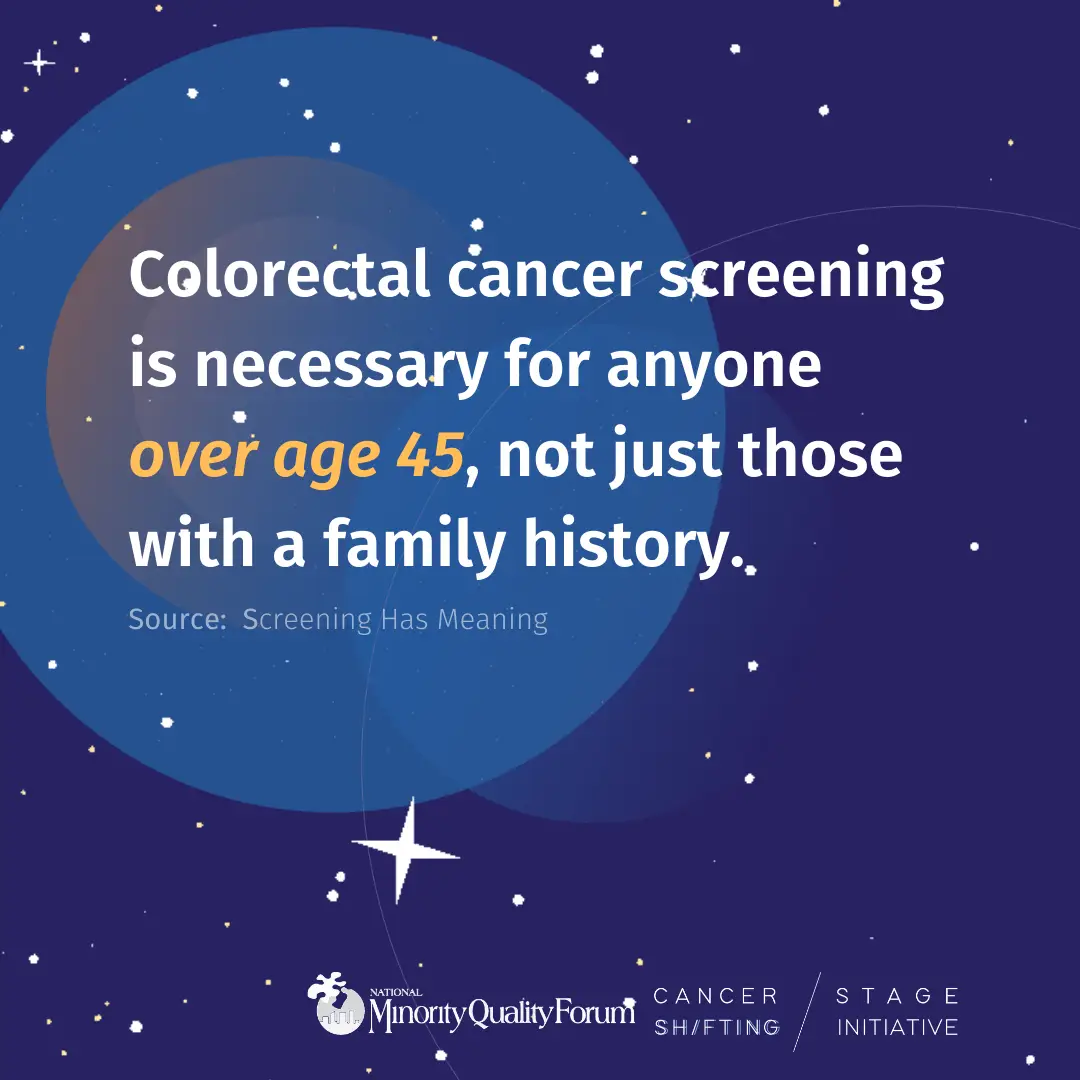
- Cancer Early Detection
MCED tests use a simple blood draw to screen for many kinds of cancer at once.
- PR
FYHN is a bridge connecting health information providers to BIPOC communities in a trusted environment.
- Medicare
Discover an honest look at our Medicare system.
- Alliance for Representative Clinical Trials
ARC was launched to create a network of community clinicians to diversify and bring clinical trials to communities of color and other communities that have been underrepresented.
- Reducing Patient Risk
The single most important purpose of our healthcare system is to reduce patient risk for an acute event.