






D’Angelo, Neo-Soul Pioneer, Dead at 51 After a Bout with Cancer
Portrait of R&B singer and neo-soul pioneer D’Angelo, who died at age 51 following a battle with cancer.

D’Angelo, the influential R&B singer and a pioneer of the neo-soul genre, died today, October 14, 2025, at the age of 51, following a “prolonged and courageous battle with cancer”.

His family released a statement confirming that Michael D’Angelo Archer had “been called home,” expressing sadness while also being “eternally grateful for the legacy of extraordinarily moving music he leaves behind”.


Tributes quickly followed, including one from DJ Premier, who produced D’Angelo’s song “Devil’s Pie.” Premier reflected on the “great times” they shared and offered his farewell: “Sleep Peacefully D’ Love You KING”.


Early Life and the Birth of Neo-Soul

Born Michael Eugene Archer in South Richmond, Virginia, D’Angelo developed an early affinity for music. He learned to play piano by age three and performed in the church alongside his father, who was a Pentecostal minister. During his adolescence, he performed locally in various groups, including Intelligent, Deadly but Unique (I.D.U.).


D’Angelo signed with EMI in 1993 and wrote the hit “U Will Know” for the group Black Men United (B.M.U.). His 1995 debut album, “Brown Sugar,” spent 65 weeks on the Billboard 200 albums chart. This album developed his signature sound, which married classic R&B tropes with hip-hop influences. Critically, Brown Sugar was a crucial driver of the “Neo-Soul” movement of the mid-1990s, blending the R&B styles of the ’60s and ’70s with contemporary, hip-hop-informed styles, paving the way for artists like Erykah Badu and Maxwell.


During this period, D’Angelo contributed to Lauryn Hill’s 1998 album, The Miseducation of Lauryn Hill, singing and playing electric piano on “Nothing Even Matters”.


Voodoo, Soulquarians, and Stardom’s Burden

D’Angelo formed a vital connection with Ahmir “Questlove” Thompson, the drummer and leader of the Roots. Questlove became a close friend and collaborator throughout much of D’Angelo’s career.

The result of years of work with Questlove was D’Angelo’s sophomore album, “Voodoo,” released in January 2000. The album was primarily recorded at New York’s Electric Lady Studios with a group of musicians known as the Soulquarians, including Questlove, bassist Pino Palladino, and producer J Dilla. Voodoo evolved D’Angelo’s aesthetic into a richer, more soulful sound and is considered a cornerstone of modern R&B.


However, the immense success brought unexpected pressures. The album’s lead single, “Untitled (How Does It Feel),” was accompanied by a video featuring a muscular, shirtless D’Angelo, which instantly turned him into a “major sex symbol”—a role he “did not want and recoiled from”.

Following the successful Voodoo tour, D’Angelo, described as an “elusive figure who burned bright in the spotlight,” largely disappeared from public view for the next decade. He retreated to his home in Virginia and faced personal struggles, including arrests for DUI and possession of marijuana and cocaine.


Black Messiah and the Final Years

D’Angelo was known as a famously obsessive musician who spent years honing his third album. His manager at the time, Kevin Liles, noted that D’Angelo was committed to ensuring the album was “all it can be” before release.


Nearly 15 years after its predecessor, the album “Black Messiah” finally arrived in late 2014, recorded with his group, the Vanguard. The album continued the Voodoo aesthetic but progressed rhythmically, featuring grooves influenced by J Dilla that “defied conventional timekeeping”. D’Angelo earned four Grammy Awards for his latter two records, Voodoo and Black Messiah.


He launched a major tour following the album’s release, starting at the legendary Apollo Theater in Harlem, where he had won an Amateur Night competition back in 1991. An observer noted in 2015 that D’Angelo “had lost none of the charisma and agility that made him a star in the first place”.

In the years before his death, D’Angelo had returned to seclusion but was reportedly working on an album with longtime collaborator and “Untitled” co-writer Raphael Saadiq.


The Burden of Black Genius

D’Angelo is featured heavily in Questlove’s recent documentary on Sly Stone, Sly Lives!, where he spoke about the challenges of stardom. He discussed “The Burden of Black Genius,” which relates to the pressures felt by gifted Black artists to be leaders and examples, a role he was not comfortable with, leading to guilt.


Speaking about the pressure placed on Black public figures, D’Angelo stated vividly: “We as black folk we always gotta be three-four-five steps ahead of everybody else in order just to break even”. Questlove confirmed that D’Angelo was “definitely talking about himself,” viewing him as a “chosen one” whose guilt was likely his “number one emotion”.


D’Angelo is survived by three children, including his son, Michael Archer II, whom he shared with the late singer Angie Stone (who died earlier in 2025 in a car accident). Michael Archer II released a statement expressing gratitude and promising to “be strong,” a lesson taught by both his deceased parents.


Photo By: Beaver on the Beats via FLICKR CC BY-NC-ND 2.0

Trending Topics

Features

Download and distribute powerful vaccination QI resources for your community.

Sign up now to support health equity and sustainable health outcomes in your community.

MCED tests use a simple blood draw to screen for many kinds of cancer at once.

FYHN is a bridge connecting health information providers to BIPOC communities in a trusted environment.

Discover an honest look at our Medicare system.

ARC was launched to create a network of community clinicians to diversify and bring clinical trials to communities of color and other communities that have been underrepresented.

The single most important purpose of our healthcare system is to reduce patient risk for an acute event.

Related Posts
ACIP Meeting Canceled After Court Ruling, Leaving U.S. Vaccine Policy in Limbo
Measles Outbreaks Surge: Essential Facts and Prevention Strategies
LGBTQ Health Awareness Week Highlights Disparities in Communities of Color
Scroll to Top
Featured Articles
cdc website
ACIP Meeting Canceled After Court Ruling, Leaving U.S. Vaccine Policy in Limbo
Measles Outbreaks Surge: Essential Facts and Prevention Strategies
LGBTQ Health Awareness Week Highlights Disparities in Communities of Color
Women’s History Month 2026 Health Equity in Focus fyh.news
Women’s History Month 2026 Puts Women’s Health Access in Focus
A previous National Minority Quality Forum 40 Under 40 honoree receives their award on stage during the NMQF Leadership Summit on Health Disparities in Washington, D.C.
NMQF Announces 2026 “40 Under 40 Leaders in Minority Health” Honorees
ATTR-CM Awareness Why Faith-Based Listening Sessions Matter
Meeting the Community Where They Are: Why Faith-Based Listening Sessions Matt...
Categories
AI
BIPOC News
Cancer
Clinical Trials
Covid19
Diseases of the Body
Environment
Health Data
Health Equity Events
Health Policy
Health Tips
Heart Health
Subscribe to our newsletter to receive our latest news​
All Stories
cdc website
ACIP Meeting Canceled After Court Ruling, Leaving U.S. Vaccine Policy in Limbo
Measles Outbreaks Surge: Essential Facts and Prevention Strategies
LGBTQ Health Awareness Week Highlights Disparities in Communities of Color
BIPOC News
LGBTQ Health Awareness Week Highlights Disparities in Communities of Color
ATTR-CM Awareness Why Faith-Based Listening Sessions Matter
Meeting the Community Where They Are: Why Faith-Based Listening Sessions Matt...
National Kidney Month Shines a Light on a Silent Crisis in Communities of Color
Environment
Public health scientist collecting wastewater sample to test for viral concentrations as part of community disease surveillance in the United States.
What Wastewater Testing Reveals About Viruses Spreading in Your Community
Image20260129104343
NMQF’s Role in Helping Flint Reclaim Its Health Future
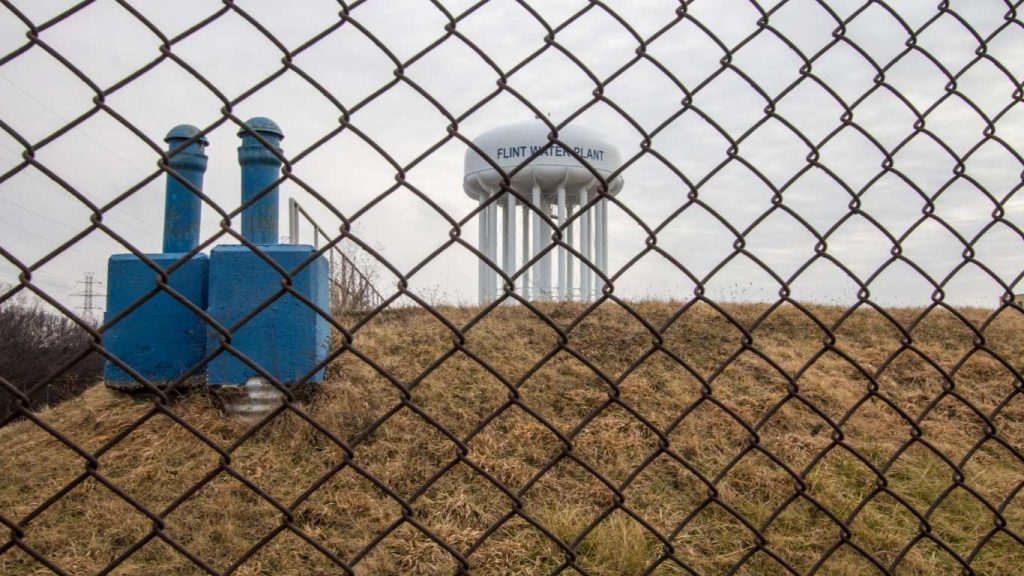
Nearly a decade after the Flint water crisis health impacts became a national warning about government failure, many Flint residents say they are still living with the consequences. Sen. Elissa Slotkin told the U.S. Senate this month that families continue to report health problems and long-term disruption as court cases and settlements continue Sen. Elissa Slotkin took to the U.S. Senate floor last week to deliver a message Flint residents have been repeating for nearly a decade: the crisis may no longer dominate headlines, but the harm has not ended. “An American city was poisoned,” Slotkin said, describing families who reported discolored water, rashes, seizures, hair loss, and chronic health problems as officials insisted the tap water was safe. The Flint water crisis began in April 2014, when the city switched its water source to the Flint River without adding corrosion-control treatment, a safeguard that helps prevent lead from leaching out of aging pipes. Public health officials later warned that tens of thousands of residents were exposed to elevated lead levels, and President Barack Obama declared a federal emergency in January 2016. Health officials say families concerned about lead exposure should follow clinical guidance on testing and follow-up care from the Centers for Disease Control and Prevention. Flint is a majority-Black city with high poverty rates, and the crisis quickly became a national symbol of how infrastructure failures and government neglect can compound longstanding racial and economic inequities. Lead exposure is especially dangerous for children. The Centers for Disease Control and Prevention has warned that lead can damage children’s brains and nervous systems and contribute to learning and behavioral problems—harms that can be irreversible. Research examining pediatric blood lead testing patterns in Flint underscores how the crisis altered health behavior and monitoring, even years after the worst contamination became public. The long road to accountability, including the courtroom While the physical infrastructure is improving, Flint’s search for accountability has played out in courtrooms for years. In a highly watched civil “bellwether” trial in 2022, jurors could not reach a verdict in a case involving engineering firms accused of failing to prevent or mitigate the crisis, leading a judge to declare a mistrial. Since then, major civil settlements have continued to reshape what “justice” looks like for many families—often less about a single guilty verdict than about whether compensation and long-promised services actually reach affected residents. In February 2025, Michigan Attorney General Dana Nessel announced a $53 million civil settlement with Veolia North America tied to allegations that the company’s work contributed to prolonging the crisis; the settlement was described as a way to provide closure after years of litigation. The settlement added to earlier agreements, including the state’s broader $626 million class-action settlement framework meant to compensate people harmed by lead exposure. A court-supervised claims process has approved tens of thousands of claims, but residents have faced long waits as payments move from approval to distribution. The criminal cases tied to the crisis, meanwhile, largely collapsed. A Michigan judge formally dismissed misdemeanor charges against former Gov. Rick Snyder in 2023 after appellate rulings ended the prosecutions, effectively closing that chapter of the legal response. For many Flint families, that outcome deepened the sense that high-level decision-makers escaped meaningful consequences. Health and education impacts also remain a pressing concern. A New York Times report in 2019 described Flint schools struggling with rising needs for individualized education plans and behavioral supports for children who were exposed to lead—needs that educators and parents say require sustained resources, not short-term attention. Separate academic work has linked the crisis to measurable setbacks in educational outcomes, adding to evidence that environmental disasters can shape children’s trajectories long after the immediate emergency fades. There has been visible progress on the city’s pipes. Michigan reported in 2025 that Flint had completed replacement of nearly 11,000 lead water service lines under a legal settlement that required free replacement offers to residents, a milestone that public health leaders framed as nationally significant. Pediatrician Mona Hanna—one of the early voices warning the public about the crisis—told The Washington Post that when water runs through lead pipes, it is “flowing through a straw that is a poison and has no safe level.” Still, Slotkin’s Senate speech captured what many residents say is the unresolved heart of the crisis: trust. She pointed to families who felt dismissed when they first complained, and she said Flint residents are still seeking justice—including through legal action involving federal regulators—while living with the long-term health, educational, and economic consequences of a disaster they did not cause. As Flint marks another year since the emergency declaration, the question for public health and policy leaders is not only how to prevent another Flint, but how to support a community living with the aftershocks—through healthcare access, developmental and educational services, and timely delivery of promised compensation—so that recovery is more than a milestone on paper. Also Read: A New Year, A Fresh Start for Health fyh.news
Flint’s Water Crisis Isn’t Over: Health Effects Persist as Trials and Settlem...
Work Force
dreamstime_s_243253251
The Caregiver Journey: The Hidden Backbone of American Healthcare
Families gather at a Bronx community festival with live music, kids’ activities, and health booths sharing SOMOS social care resources and free screenings.
Celebrating Hispanic heritage while learning about health care

msn

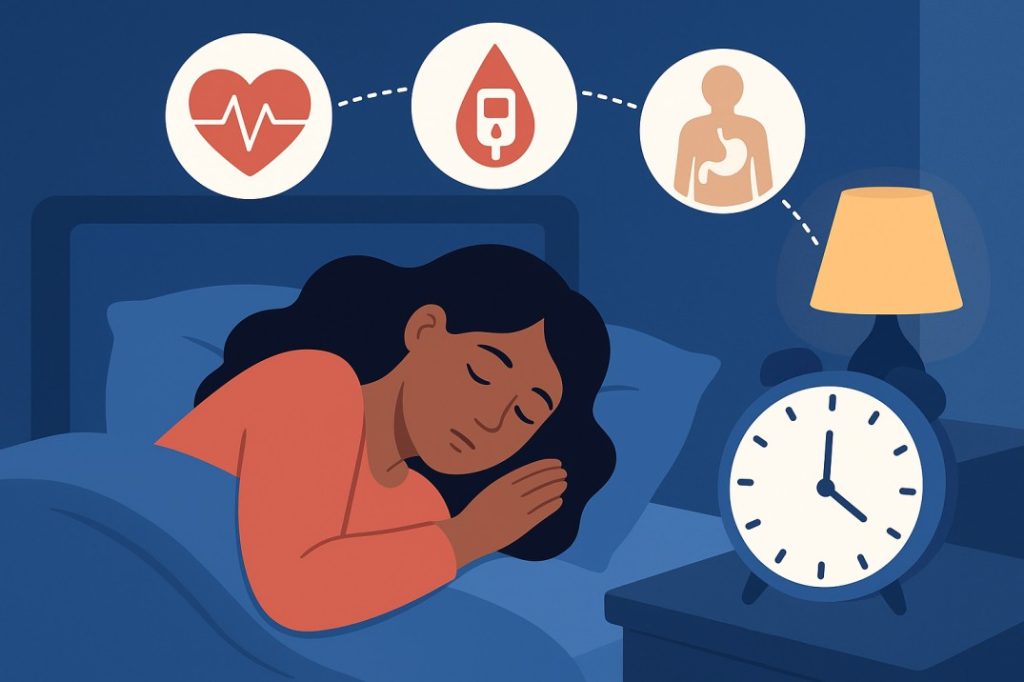
Racial/Ethnic Minorities have Greater Declines in Sleep Duration with Higher Risk of Cardiometabolic Disease
Racial/Ethnic Minorities have Greater Declines in Sleep Duration with Higher ...

pubmed

Clinical Trials
The Fight to Protect Black Women from Toxic Hair Products
Public health scientist collecting wastewater sample to test for viral concentrations as part of community disease surveillance in the United States.
What Wastewater Testing Reveals About Viruses Spreading in Your Community
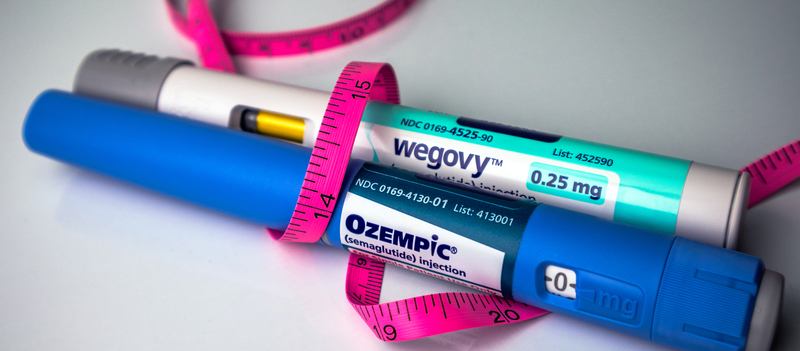
Maryland Law Seeks to Expand Obesity Treatment Coverage as Telehealth Weight-Loss Drug Controversy Unfolds
Maryland Law Seeks to Expand Obesity Treatment Coverage as Telehealth Weight-...
Vaccines and Outbreaks
Measles Outbreaks Surge: Essential Facts and Prevention Strategies
U.S. measles cases 2026: Outbreaks Spread as MMR Coverage
2026 Measles Spike: U.S. Cases Rise Fast as Outbreaks Grow
the importance of childhood immunization and public health
When Childhood Vaccines Become a Personal Choice, Public Health Pays the Price
Other Categories
AI
Read the latest AI News stories trending around the world
Cancer
Read the latest Cancer stories trending around the world
Covid19
Diseases of the Body
Read about the latest Diseases of the Body trending around the world
Friday Webinars
Every Friday, we bring you insightful webinars covering critical topics in healthcare, data equity, and policy reform.
Health Data
Read the latest Health Data stories trending around the world
Health Equity Events
Read the best Health Equity Events around the country.
Health Policy
Read the latest Health Policy stories trending around the world
Health Tips
Heart Health
Read the latest on Heart Health News, Stories and Tips.
kidney Health
Read more trending News about Kidney Health, Stories and Tips.
LGBTQ Health
Read the latest LGBTQ Health stories trending around the world