










[ad_1]
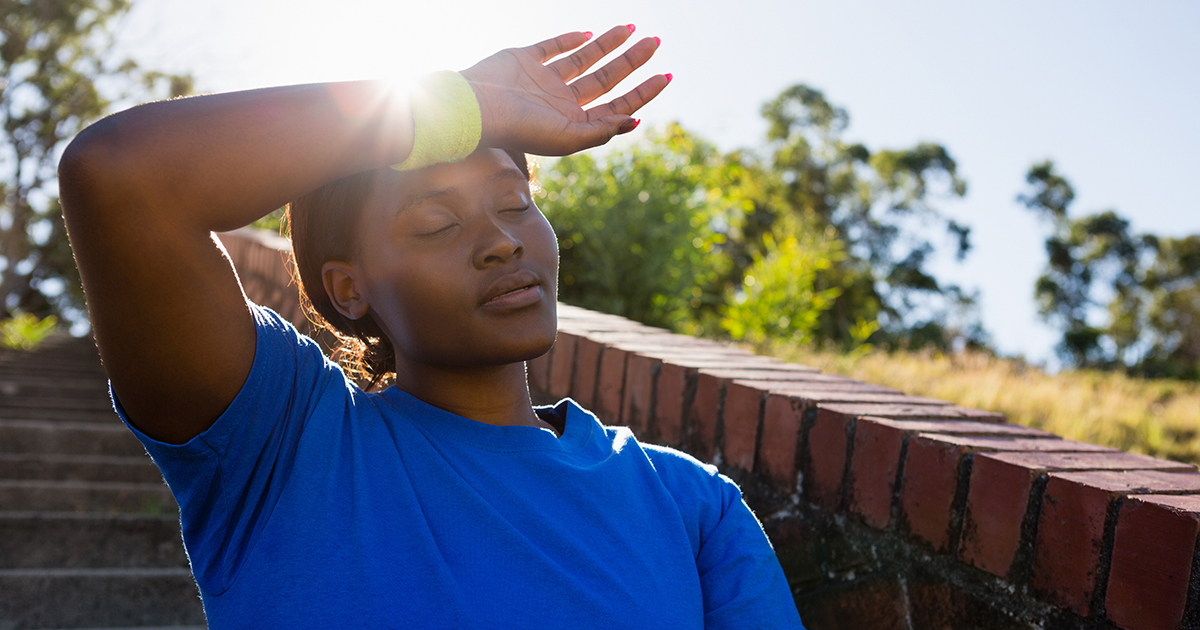
If you’ve been following the news over the past few weeks, there’s no doubt you’ve seen stories about extreme heat. In March, temperatures as high as 112 degrees Fahrenheit scorched India and Pakistan for weeks. In May, the National Oceanic and Atmospheric Administration predicted a hotter-than-normal summer across nearly the entire United States. And in June, as you might have felt in your own neighborhood, extreme heat has pummeled China, Europe, and much of the US.
Climate change is making episodes of extreme heat more frequent and intense, and it’s affecting our health.
Though dangerous heat can affect all of us, some populations are more vulnerable to the health impacts of high temperatures than others. Vulnerable groups include babies and children; pregnant people; older adults; people with certain medical conditions and/or on certain medications; athletes and outdoor enthusiasts, outdoor workers; and low-income communities and communities of color, who may have limited access to air-conditioned spaces and health care due to systemic racism.
Here in the US, the Latino community is particularly vulnerable to the impacts of extreme heat. Latino individuals are disproportionately represented in the outdoor workforce, which includes the farm workers, construction workers, first responders, and utility workers who make sure our day-to-day lives run smoothly. According to analysis from the Union of Concerned Scientists, outdoor workers in the US are up to 35 times more likely to die from heat exposure than the general population. Pregnant farmworkers and their babies are more vulnerable to the health impacts of extreme heat, which has been linked to adverse birth outcomes like increases risk of preterm later, low birth weight, and pregnancy loss.
Health disparities for the Latino community extend beyond the outdoor workforce: Hispanic individuals are 21% more likely than non-Hispanic whites to live in urban heat islands, which are urban areas that tend to be much warmer than surrounding rural areas. And on hot days, Hispanic and Black students are more likely to experience reduced learning on days when temperatures rise above 80 degrees Fahrenheit.
To learn more about the health effects of extreme heat and how it can affect the Latino community, check out our two new fact sheets in English and Spanish:
Health Impacts of Extreme Heat
Los impactos del calor extremo sobre la salud
Extreme Heat and Latino Communities
[ad_2]
Source link