









- By Jessica Wilson
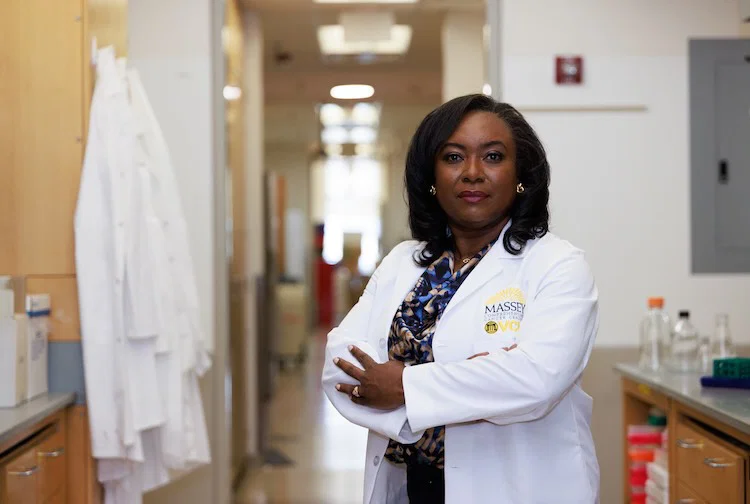
A historic leadership appointment at one of the nation’s premier cancer centers is drawing renewed attention to the importance of diversity in cancer research and the need to expand access to early detection in communities that continue to face disproportionate cancer burdens.
Dr. Monica L. Baskin has been named the next director of the Virginia Commonwealth University (VCU) Massey Comprehensive Cancer Center, becoming the first Black woman to lead a National Cancer Institute (NCI)-designated cancer center. The appointment marks a significant milestone in American medicine and comes as researchers and public health leaders continue working to reduce longstanding racial disparities in cancer prevention, screening, treatment, and survival. Baskin, a nationally recognized population scientist and counseling psychologist, officially began her new role this month after serving as interim director. She is also the first woman to lead Massey Comprehensive Cancer Center since it received its NCI designation in 1975 and is among only a small number of women currently directing NCI-designated comprehensive cancer centers nationwide.
Throughout her career, Baskin has focused on understanding how behavioral, social, and environmental factors influence cancer risk and outcomes. Her research has emphasized improving cancer prevention, screening, survivorship, and healthy lifestyle interventions, particularly for rural populations and medically underserved communities. Those priorities closely align with national efforts to address health inequities that continue to affect Black, Hispanic, Native American, and other historically marginalized populations. “Throughout her career, Baskin has championed the community-to-bench cancer care model,” VCU said in announcing her appointment, noting her commitment to ensuring that community needs help shape scientific discovery and clinical care.
Cancer remains the second leading cause of death in the United States. According to the National Cancer Institute, advances in screening, prevention, and treatment have significantly reduced cancer mortality over the past several decades. However, not every community has benefited equally from those improvements. Black Americans continue to experience higher death rates for many cancers despite, in some cases, having similar or lower incidence rates than White Americans. Social determinants of health, unequal access to preventive care, delayed diagnoses, and barriers to high-quality treatment all contribute to these disparities.
One of the most effective ways to narrow those gaps is through earlier detection.
The National Minority Quality Forum (NMQF) has made cancer early detection a central component of its health equity strategy through its Cancer Stage Shifting Initiative. The initiative works with healthcare providers, researchers, policymakers, and community organizations to improve access to innovative cancer screening technologies and ensure that populations traditionally left behind benefit from advances in early detection. NMQF has emphasized that detecting cancer before symptoms appear can dramatically improve treatment options and survival rates, particularly in communities where diagnoses often occur at later stages. The organization has also advocated for expanding equitable access to emerging multi-cancer early detection technologies while ensuring these innovations reach underserved populations rather than widening existing disparities.
Baskin’s appointment also reflects a growing recognition that leadership diversity can strengthen community engagement efforts. In recent years, the National Cancer Institute has required its designated cancer centers to develop robust community outreach and engagement programs that identify and respond to the unique cancer needs within their service areas. Researchers have argued that these programs are essential for improving participation in clinical research, increasing screening rates, and building trust with communities historically underrepresented in cancer care.
In a 2024 publication in the Journal of the National Cancer Institute, Baskin joined several Black cancer researchers in describing community outreach and engagement as a scientific discipline that deserves greater recognition because of its critical role in reducing cancer disparities. The authors argued that meaningful partnerships with communities help ensure research translates into measurable improvements in health outcomes. Baskin has also spoken publicly about the importance of increasing diversity in cancer center leadership. Before becoming director of Massey, she noted that expanding representation among decision-makers is necessary if the nation hopes to achieve ambitious goals for reducing cancer mortality and improving health equity.
Her own commitment to cancer prevention is deeply personal. According to VCU, Baskin lost her father to colorectal cancer while she was still in high school, an experience that helped shape her career in cancer research and community health.
As cancer researchers continue developing new screening technologies, precision medicine approaches, and community-based interventions, public health experts say equitable implementation will determine whether these advances benefit all Americans. Historic appointments like Baskin’s highlight the growing emphasis on combining scientific innovation with community engagement to address longstanding disparities.
For organizations such as the National Minority Quality Forum, that mission includes ensuring that breakthroughs in cancer early detection reach the people who have too often been diagnosed too late. As leaders like Baskin assume influential roles at major cancer centers, advocates hope the future of cancer care will be defined not only by new discoveries but also by greater equity in who benefits from them.
Learn More: https://fyh.news/fyh-news-tv/diversity-clinical-research-better-cancer-treatments/
Stay Informed. Stay Empowered.
Trending Topics

Features
- Drive Toolkit
Download and distribute powerful vaccination QI resources for your community.
- Health Champions
Sign up now to support health equity and sustainable health outcomes in your community.
- Cancer Early Detection
MCED tests use a simple blood draw to screen for many kinds of cancer at once.
- PR
FYHN is a bridge connecting health information providers to BIPOC communities in a trusted environment.
- Medicare
Discover an honest look at our Medicare system.
- Alliance for Representative Clinical Trials
ARC was launched to create a network of community clinicians to diversify and bring clinical trials to communities of color and other communities that have been underrepresented.
- Reducing Patient Risk
The single most important purpose of our healthcare system is to reduce patient risk for an acute event.
- Jessica Wilson
- Subash Kafle
- Jessica Wilson