










- By Adjoa Kyerematen
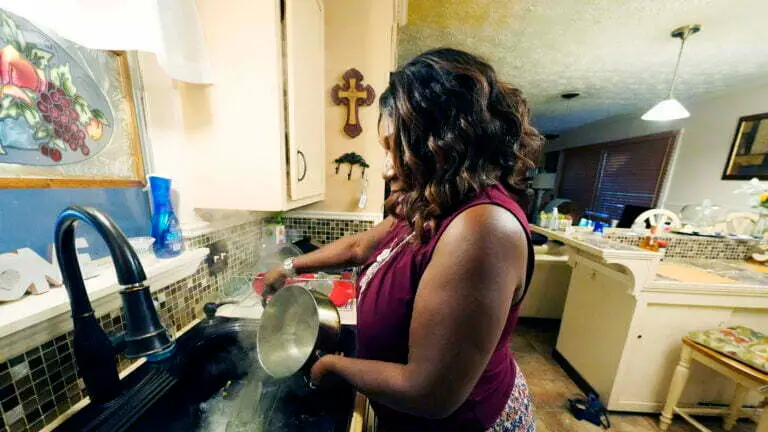
WASHINGTON — Ask 10 people how a federal health care agency might tackle “environmental justice,” and you’ll get 10 answers.
For Jackson, Miss., residents, it is ensuring potable water after weeks of risk from a damaged sanitation system. For people in “asthma alley,” northern New York City’s communities astride major highways, it is slowing the flow of emissions-related respiratory problems, even as new laws could divert more traffic their way. Angelenos, meanwhile, want to see repercussions for nearby factories that spout metal pollutants into the air.
The only real uniting thread is that the issues are massive, amorphous, and potentially intractable. Which makes it all the more daunting for the two lone staffers currently detailed to the Office of Environmental Justice, one of whom is set to depart soon. Though it launched in May, the office also lacks any formal funding. It’s still struggling to figure out exactly where to go from here, or how.
Trending Topics
Features
- Drive Toolkit
Download and distribute powerful vaccination QI resources for your community.
- Health Champions
Sign up now to support health equity and sustainable health outcomes in your community.
- Cancer Early Detection
MCED tests use a simple blood draw to screen for many kinds of cancer at once.
- PR
FYHN is a bridge connecting health information providers to BIPOC communities in a trusted environment.
- Medicare
Discover an honest look at our Medicare system.
- Alliance for Representative Clinical Trials
ARC was launched to create a network of community clinicians to diversify and bring clinical trials to communities of color and other communities that have been underrepresented.
- Reducing Patient Risk
The single most important purpose of our healthcare system is to reduce patient risk for an acute event.
- Jessica Wilson
- Subash Kafle