










- By FYH News Team
[ad_1]
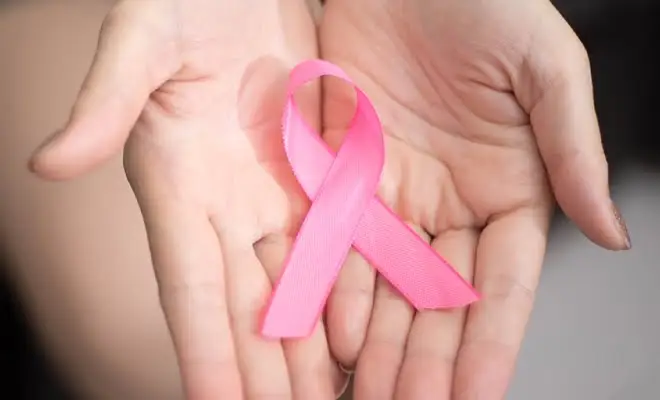
Governor Hochul today announced ongoing efforts to boost cancer screenings and improve cancer outcomes in underserved populations statewide, as Breast Cancer Awareness Month concludes. While many New Yorkers are regularly screened for breast cancer, those without insurance or a regular health care provider are less likely to report being up-to-date with routine screenings, according to a report released by the New York State Department of Health this month.
“The findings in this report are stark, and in response New York is redoubling our outreach efforts to women in underserved communities and ensure they have equitable access to cancer screening services for early detection,” Governor Hochul said. “As Breast Cancer Awareness Month concludes, we must continue taking action to ensure all New Yorkers have access to the level of care to diagnose and treat this awful disease.”
In an effort to better reach underserved populations, the Department of Health is soliciting applications for $41 million for organizations to provide breast, cervical, and colorectal cancer screenings in their community. The Cancer Services Program grants will provide between $210,000 to $990,000 for these organizations annually over five years. Applications are due December 20, 2022.
To address health equity and improve cancer screening rates among populations less likely to be screened, the funding opportunity prioritizes reaching individuals who are Black, who identify as LGBTQIA+, or who live in rural areas. The funding will help provide cancer screening, diagnostic follow-up, and treatment referral services for every county and borough in New York State, with a focus on helping individuals who lack health insurance.
A survey conducted by the Department of Health found that about 66.3 percent of women without insurance reported being screen with a mammogram over the past two years, as compared to 83.1 percent who have health insurance. Likewise, only 66.4 percent of women without a regular health care provider regularly got screened, as opposed to 83.5 percent of women with a regular health care provider.
Breast cancer also takes a disproportionate toll on women of color. While non-Hispanic white women have the highest incidence rates of breast cancer, non-Hispanic Black women have the highest mortality rates, according to data on cancer incidence and mortality in New York.
The rate of breast cancer diagnosed in White women is 140 cases per 100,000 women per year, while the rate of deaths is 18.2 per 100,000. Meanwhile, the rate of breast cancer diagnosed in Black women is 124 cases per 100,000 women per year, while the rate of deaths is 22.2 per 100,000.
State Health Commissioner Dr. Mary T. Bassett said, “Breast cancer screenings remain a first line of defense in the fight against this terrible disease and all women deserve equal access to critical early detection and intervention measures. Lacking health insurance or access to a regular health care provider should never be a barrier to quality care. The state Department of Health remains committed to advancing equitable access to diagnostics and care, addressing the racial disparities in outcomes that remain, particularly for Black women.”
Breast cancer is the second leading cause of cancer-related deaths among women, with an estimated one in eight developing the disease in their lifetime. More than 16,800 women are diagnosed and about 2,500 are killed by breast cancer annually in New York, according to statistics compiled by the state Department of Health; about 160 men are also diagnosed with this disease each year.
State Department of Health Bureau of Cancer Prevention and Control Director Dr. Heather Dacus said, “Increasing rates of breast cancer screening in New York State will help to reduce breast cancer deaths and continues to be a key goal reflected in the New York State Prevention Agenda and the New York State Comprehensive Cancer Control Plan. Partners around the state are called upon to promote age-appropriate, risk-based breast cancer screening and refer those without health insurance to the Cancer Services Program.”
For most women of screening age, regular mammograms are the best way to find breast cancer early when it’s easier to treat. Having regular mammograms can lower the risk of dying from breast cancer.
Free breast cancer screenings are available for eligible, uninsured, and underinsured New Yorkers through state-funded cancer services programs. To get more information or to be connected to a nearby program, please call 1-866-442-CANCER.
New York State continues to be a leader in cancer prevention, including the 2018-2023 New York State Comprehensive Cancer Control Plan; a cancer prevention and control roadmap with robust measurable objectives and suggested strategies to reduce the cancer burden in New York State. New York is also taking action through the state’s Prevention Agenda 2019-2024, a blueprint designed to improve the health and well-being of all New Yorkers, with an emphasis on health equity in populations that have historically experienced disparities.
[ad_2]
Source link
Trending Topics

Features
- Drive Toolkit
Download and distribute powerful vaccination QI resources for your community.
- Health Champions
Sign up now to support health equity and sustainable health outcomes in your community.
- Cancer Early Detection
MCED tests use a simple blood draw to screen for many kinds of cancer at once.
- PR
FYHN is a bridge connecting health information providers to BIPOC communities in a trusted environment.
- Medicare
Discover an honest look at our Medicare system.
- Alliance for Representative Clinical Trials
ARC was launched to create a network of community clinicians to diversify and bring clinical trials to communities of color and other communities that have been underrepresented.
- Reducing Patient Risk
The single most important purpose of our healthcare system is to reduce patient risk for an acute event.
- Victor Mejia
- Subash Kafle
- Subash Kafle