










Legislation on the National Institute of Health (NIH) Clinical Trial Diversity Act

Join us as we discuss the Act that U.S. Senators Bob Menendez (D-N.J.) and Susan Collins (R-Maine), along with Representatives Robin Kelly (D-Ill.-02) and Brian Fitzpatrick (R-Pa.-01),ย recently introduced bipartisan, bicameral legislation to increase the diversity of participants in all National Institutes of Health (NIH) – funded trials. The NIH Clinical Trial Diversity Act builds upon their current policies to enhance the inclusion of women, racially and ethnically diverse individuals and people of all ages in all NIH-funded trials.

Moderator

Donney John, PharmD
Executive Director
NOVA ScriptsCentral

Dr. John is the Executive Director of NOVA ScriptsCentral an award winning non-profit charitable pharmacy that provides life saving medication and education to uninsured patients in the Northern Virginia area. He is a practicing pharmacist, patient advocate, healthcare consultant and entrepreneur.

Dr. John has considerable expertise in the areas of precision medicine, patient engagement, population health management, health disparities and mobile health technology solutions. He serves as a medical advisor for a variety of companies focused on health/wellness, patient engagement and medication adherence

Dr. John has also worked in academia serving as an Assistant Professor of Pharmacy Practice at Massachusetts College of Pharmacy & Health Sciences where he developed innovative ambulatory care practice sites within federally qualified community health centers. He has worked to train healthcare professionals in the areas of health literacy and cultural competency in order to address health dispartities. In 2017, he was named as one of the 40 under 40 Thought Leaders in Health by the National Minority Quality Forum.

Panelists

Meagan Thompson, DNP
Senior Health Policy Advisor
Congresswoman Robin Kelly (IL-02)

Dr. Meagan Thompson is the Senior Health Policy Advisor for Congresswoman Robin Kelly who serves on the House Committee on Energy and Commerce Subcommittee on Health. As a nurse and former hospital administrator working at the intersection of public health and health policy, Meagan understands that we must improve the conditions in which people live, work, and play to make healthcare interventions most effective. Under the tutelage of Congresswoman Kelly, she is working on legislation to improve the quality of maternal health services, expand access to mental health services, improve access to nutritious food, and increase diversity in clinical trials.

She hails from Mississippi and received her Bachelor of Science in Nursing from the University of Mississippi (Ole Miss). Following her time at Ole Miss, she completed a dual masters program receiving her Masters of Business Administration and Health Administration at the University of Alabama at Birmingham. She then received her Doctorate in Nursing Practice with an emphasis in health care leadership where her dissertation focused on spirituality in African-American women and the association with Breast cancer mortality rates.

Cecilia Vaughn-Guy, M.S.,OT
Womenโ€™s Congressional Policy Institute Legislative Fellow
Congresswoman Robin L. Kelly (IL-02)

Cecilia Vaughn-Guy is a Womenโ€™s Congressional Policy Institute Legislative Fellow in the office of Congresswoman Robin L. Kelly (IL-02), focusing on issues within the Congresswomanโ€™s health portfolio. Cecilia was particularly drawn to this office due to her present interest and history in healthcare advocacy. Cecilia graduated from Duquesne University with a bachelor’s degree in psychology and from University of Illinois at Chicago with a masterโ€™s degree in occupational therapy. Cecilia worked across the lifespan and hospital, outpatient, community, and academic settings as an occupational therapy before returning to graduate school.

Originally published June 23, 2023

Trending Topics

Features

Download and distribute powerful vaccination QI resources for your community.

Sign up now to support health equity and sustainable health outcomes in your community.

MCED tests use a simple blood draw to screen for many kinds of cancer at once.

FYHN is a bridge connecting health information providers to BIPOC communities in a trusted environment.

Discover an honest look at our Medicare system.

ARC was launched to create a network of community clinicians to diversify and bring clinical trials to communities of color and other communities that have been underrepresented.

The single most important purpose of our healthcare system is to reduce patient risk for an acute event.

Related Posts
Flintโ€™s Water Crisis Isnโ€™t Over: Health Effects Persist as Trials and Settlements Unfold
A New Year, A Fresh Start for Health
President Trump Unveils “The Great Healthcare Plan”
Scroll to Top
Featured Articles
Nearly a decade after the Flint water crisis health impacts became a national warning about government failure, many Flint residents say they are still living with the consequences. Sen. Elissa Slotkin told the U.S. Senate this month that families continue to report health problems and long-term disruption as court cases and settlements continue Sen. Elissa Slotkin took to the U.S. Senate floor last week to deliver a message Flint residents have been repeating for nearly a decade: the crisis may no longer dominate headlines, but the harm has not ended. โ€œAn American city was poisoned,โ€ Slotkin said, describing families who reported discolored water, rashes, seizures, hair loss, and chronic health problems as officials insisted the tap water was safe. The Flint water crisis began in April 2014, when the city switched its water source to the Flint River without adding corrosion-control treatment, a safeguard that helps prevent lead from leaching out of aging pipes. Public health officials later warned that tens of thousands of residents were exposed to elevated lead levels, and President Barack Obama declared a federal emergency in January 2016. Health officials say families concerned about lead exposure should follow clinical guidance on testing and follow-up care from the Centers for Disease Control and Prevention. Flint is a majority-Black city with high poverty rates, and the crisis quickly became a national symbol of how infrastructure failures and government neglect can compound longstanding racial and economic inequities. Lead exposure is especially dangerous for children. The Centers for Disease Control and Prevention has warned that lead can damage childrenโ€™s brains and nervous systems and contribute to learning and behavioral problemsโ€”harms that can be irreversible. Research examining pediatric blood lead testing patterns in Flint underscores how the crisis altered health behavior and monitoring, even years after the worst contamination became public. The long road to accountability, including the courtroom While the physical infrastructure is improving, Flintโ€™s search for accountability has played out in courtrooms for years. In a highly watched civil โ€œbellwetherโ€ trial in 2022, jurors could not reach a verdict in a case involving engineering firms accused of failing to prevent or mitigate the crisis, leading a judge to declare a mistrial. Since then, major civil settlements have continued to reshape what โ€œjusticeโ€ looks like for many familiesโ€”often less about a single guilty verdict than about whether compensation and long-promised services actually reach affected residents. In February 2025, Michigan Attorney General Dana Nessel announced a $53 million civil settlement with Veolia North America tied to allegations that the companyโ€™s work contributed to prolonging the crisis; the settlement was described as a way to provide closure after years of litigation. The settlement added to earlier agreements, including the stateโ€™s broader $626 million class-action settlement framework meant to compensate people harmed by lead exposure. A court-supervised claims process has approved tens of thousands of claims, but residents have faced long waits as payments move from approval to distribution. The criminal cases tied to the crisis, meanwhile, largely collapsed. A Michigan judge formally dismissed misdemeanor charges against former Gov. Rick Snyder in 2023 after appellate rulings ended the prosecutions, effectively closing that chapter of the legal response. For many Flint families, that outcome deepened the sense that high-level decision-makers escaped meaningful consequences. Health and education impacts also remain a pressing concern. A New York Times report in 2019 described Flint schools struggling with rising needs for individualized education plans and behavioral supports for children who were exposed to leadโ€”needs that educators and parents say require sustained resources, not short-term attention. Separate academic work has linked the crisis to measurable setbacks in educational outcomes, adding to evidence that environmental disasters can shape childrenโ€™s trajectories long after the immediate emergency fades. There has been visible progress on the cityโ€™s pipes. Michigan reported in 2025 that Flint had completed replacement of nearly 11,000 lead water service lines under a legal settlement that required free replacement offers to residents, a milestone that public health leaders framed as nationally significant. Pediatrician Mona Hannaโ€”one of the early voices warning the public about the crisisโ€”told The Washington Post that when water runs through lead pipes, it is โ€œflowing through a straw that is a poison and has no safe level.โ€ Still, Slotkinโ€™s Senate speech captured what many residents say is the unresolved heart of the crisis: trust. She pointed to families who felt dismissed when they first complained, and she said Flint residents are still seeking justiceโ€”including through legal action involving federal regulatorsโ€”while living with the long-term health, educational, and economic consequences of a disaster they did not cause. As Flint marks another year since the emergency declaration, the question for public health and policy leaders is not only how to prevent another Flint, but how to support a community living with the aftershocksโ€”through healthcare access, developmental and educational services, and timely delivery of promised compensationโ€”so that recovery is more than a milestone on paper. Also Read: A New Year, A Fresh Start for Health fyh.news
Flintโ€™s Water Crisis Isnโ€™t Over: Health Effects Persist as Trials and Settlem...
A New Year, A Fresh Start for Health
President Donald J. Trump speaking at a podium during the announcement of the Great Health Care Plan in January 2026, featuring the White House seal.
President Trump Unveils "The Great Healthcare Plan"
Heart Disease and Heart Health in the Black Community: What the Latest Data Show
the importance of childhood immunization and public health
When Childhood Vaccines Become a Personal Choice, Public Health Pays the Price
A selection of whole foods including a steak and a glass of whole milk, reflecting the updated federal dietary recommendations
The Great Nutrition Reversal: Inside the Trump Administrationโ€™s New Red Meat ...
Categories
AI
BIPOC News
Cancer
Clinical Trials
Covid19
Diseases of the Body
Environment
Health Data
Health Equity Events
Health Policy
Heart Health
kidney Health
Subscribe to our newsletter to receive our latest newsโ€‹
All Stories
Nearly a decade after the Flint water crisis health impacts became a national warning about government failure, many Flint residents say they are still living with the consequences. Sen. Elissa Slotkin told the U.S. Senate this month that families continue to report health problems and long-term disruption as court cases and settlements continue Sen. Elissa Slotkin took to the U.S. Senate floor last week to deliver a message Flint residents have been repeating for nearly a decade: the crisis may no longer dominate headlines, but the harm has not ended. โ€œAn American city was poisoned,โ€ Slotkin said, describing families who reported discolored water, rashes, seizures, hair loss, and chronic health problems as officials insisted the tap water was safe. The Flint water crisis began in April 2014, when the city switched its water source to the Flint River without adding corrosion-control treatment, a safeguard that helps prevent lead from leaching out of aging pipes. Public health officials later warned that tens of thousands of residents were exposed to elevated lead levels, and President Barack Obama declared a federal emergency in January 2016. Health officials say families concerned about lead exposure should follow clinical guidance on testing and follow-up care from the Centers for Disease Control and Prevention. Flint is a majority-Black city with high poverty rates, and the crisis quickly became a national symbol of how infrastructure failures and government neglect can compound longstanding racial and economic inequities. Lead exposure is especially dangerous for children. The Centers for Disease Control and Prevention has warned that lead can damage childrenโ€™s brains and nervous systems and contribute to learning and behavioral problemsโ€”harms that can be irreversible. Research examining pediatric blood lead testing patterns in Flint underscores how the crisis altered health behavior and monitoring, even years after the worst contamination became public. The long road to accountability, including the courtroom While the physical infrastructure is improving, Flintโ€™s search for accountability has played out in courtrooms for years. In a highly watched civil โ€œbellwetherโ€ trial in 2022, jurors could not reach a verdict in a case involving engineering firms accused of failing to prevent or mitigate the crisis, leading a judge to declare a mistrial. Since then, major civil settlements have continued to reshape what โ€œjusticeโ€ looks like for many familiesโ€”often less about a single guilty verdict than about whether compensation and long-promised services actually reach affected residents. In February 2025, Michigan Attorney General Dana Nessel announced a $53 million civil settlement with Veolia North America tied to allegations that the companyโ€™s work contributed to prolonging the crisis; the settlement was described as a way to provide closure after years of litigation. The settlement added to earlier agreements, including the stateโ€™s broader $626 million class-action settlement framework meant to compensate people harmed by lead exposure. A court-supervised claims process has approved tens of thousands of claims, but residents have faced long waits as payments move from approval to distribution. The criminal cases tied to the crisis, meanwhile, largely collapsed. A Michigan judge formally dismissed misdemeanor charges against former Gov. Rick Snyder in 2023 after appellate rulings ended the prosecutions, effectively closing that chapter of the legal response. For many Flint families, that outcome deepened the sense that high-level decision-makers escaped meaningful consequences. Health and education impacts also remain a pressing concern. A New York Times report in 2019 described Flint schools struggling with rising needs for individualized education plans and behavioral supports for children who were exposed to leadโ€”needs that educators and parents say require sustained resources, not short-term attention. Separate academic work has linked the crisis to measurable setbacks in educational outcomes, adding to evidence that environmental disasters can shape childrenโ€™s trajectories long after the immediate emergency fades. There has been visible progress on the cityโ€™s pipes. Michigan reported in 2025 that Flint had completed replacement of nearly 11,000 lead water service lines under a legal settlement that required free replacement offers to residents, a milestone that public health leaders framed as nationally significant. Pediatrician Mona Hannaโ€”one of the early voices warning the public about the crisisโ€”told The Washington Post that when water runs through lead pipes, it is โ€œflowing through a straw that is a poison and has no safe level.โ€ Still, Slotkinโ€™s Senate speech captured what many residents say is the unresolved heart of the crisis: trust. She pointed to families who felt dismissed when they first complained, and she said Flint residents are still seeking justiceโ€”including through legal action involving federal regulatorsโ€”while living with the long-term health, educational, and economic consequences of a disaster they did not cause. As Flint marks another year since the emergency declaration, the question for public health and policy leaders is not only how to prevent another Flint, but how to support a community living with the aftershocksโ€”through healthcare access, developmental and educational services, and timely delivery of promised compensationโ€”so that recovery is more than a milestone on paper. Also Read: A New Year, A Fresh Start for Health fyh.news
Flintโ€™s Water Crisis Isnโ€™t Over: Health Effects Persist as Trials and Settlem...
A New Year, A Fresh Start for Health
President Donald J. Trump speaking at a podium during the announcement of the Great Health Care Plan in January 2026, featuring the White House seal.
President Trump Unveils "The Great Healthcare Plan"
BIPOC News
President Donald J. Trump speaking at a podium during the announcement of the Great Health Care Plan in January 2026, featuring the White House seal.
President Trump Unveils "The Great Healthcare Plan"
Heart Disease and Heart Health in the Black Community: What the Latest Data Show
Cervical Health Awareness in Communities of Color Highlights Persistent Cancer Disparities
Cervical Health Awareness in Communities of Color Highlights Persistent Cance...
Environment
Nearly a decade after the Flint water crisis health impacts became a national warning about government failure, many Flint residents say they are still living with the consequences. Sen. Elissa Slotkin told the U.S. Senate this month that families continue to report health problems and long-term disruption as court cases and settlements continue Sen. Elissa Slotkin took to the U.S. Senate floor last week to deliver a message Flint residents have been repeating for nearly a decade: the crisis may no longer dominate headlines, but the harm has not ended. โ€œAn American city was poisoned,โ€ Slotkin said, describing families who reported discolored water, rashes, seizures, hair loss, and chronic health problems as officials insisted the tap water was safe. The Flint water crisis began in April 2014, when the city switched its water source to the Flint River without adding corrosion-control treatment, a safeguard that helps prevent lead from leaching out of aging pipes. Public health officials later warned that tens of thousands of residents were exposed to elevated lead levels, and President Barack Obama declared a federal emergency in January 2016. Health officials say families concerned about lead exposure should follow clinical guidance on testing and follow-up care from the Centers for Disease Control and Prevention. Flint is a majority-Black city with high poverty rates, and the crisis quickly became a national symbol of how infrastructure failures and government neglect can compound longstanding racial and economic inequities. Lead exposure is especially dangerous for children. The Centers for Disease Control and Prevention has warned that lead can damage childrenโ€™s brains and nervous systems and contribute to learning and behavioral problemsโ€”harms that can be irreversible. Research examining pediatric blood lead testing patterns in Flint underscores how the crisis altered health behavior and monitoring, even years after the worst contamination became public. The long road to accountability, including the courtroom While the physical infrastructure is improving, Flintโ€™s search for accountability has played out in courtrooms for years. In a highly watched civil โ€œbellwetherโ€ trial in 2022, jurors could not reach a verdict in a case involving engineering firms accused of failing to prevent or mitigate the crisis, leading a judge to declare a mistrial. Since then, major civil settlements have continued to reshape what โ€œjusticeโ€ looks like for many familiesโ€”often less about a single guilty verdict than about whether compensation and long-promised services actually reach affected residents. In February 2025, Michigan Attorney General Dana Nessel announced a $53 million civil settlement with Veolia North America tied to allegations that the companyโ€™s work contributed to prolonging the crisis; the settlement was described as a way to provide closure after years of litigation. The settlement added to earlier agreements, including the stateโ€™s broader $626 million class-action settlement framework meant to compensate people harmed by lead exposure. A court-supervised claims process has approved tens of thousands of claims, but residents have faced long waits as payments move from approval to distribution. The criminal cases tied to the crisis, meanwhile, largely collapsed. A Michigan judge formally dismissed misdemeanor charges against former Gov. Rick Snyder in 2023 after appellate rulings ended the prosecutions, effectively closing that chapter of the legal response. For many Flint families, that outcome deepened the sense that high-level decision-makers escaped meaningful consequences. Health and education impacts also remain a pressing concern. A New York Times report in 2019 described Flint schools struggling with rising needs for individualized education plans and behavioral supports for children who were exposed to leadโ€”needs that educators and parents say require sustained resources, not short-term attention. Separate academic work has linked the crisis to measurable setbacks in educational outcomes, adding to evidence that environmental disasters can shape childrenโ€™s trajectories long after the immediate emergency fades. There has been visible progress on the cityโ€™s pipes. Michigan reported in 2025 that Flint had completed replacement of nearly 11,000 lead water service lines under a legal settlement that required free replacement offers to residents, a milestone that public health leaders framed as nationally significant. Pediatrician Mona Hannaโ€”one of the early voices warning the public about the crisisโ€”told The Washington Post that when water runs through lead pipes, it is โ€œflowing through a straw that is a poison and has no safe level.โ€ Still, Slotkinโ€™s Senate speech captured what many residents say is the unresolved heart of the crisis: trust. She pointed to families who felt dismissed when they first complained, and she said Flint residents are still seeking justiceโ€”including through legal action involving federal regulatorsโ€”while living with the long-term health, educational, and economic consequences of a disaster they did not cause. As Flint marks another year since the emergency declaration, the question for public health and policy leaders is not only how to prevent another Flint, but how to support a community living with the aftershocksโ€”through healthcare access, developmental and educational services, and timely delivery of promised compensationโ€”so that recovery is more than a milestone on paper. Also Read: A New Year, A Fresh Start for Health fyh.news
Flintโ€™s Water Crisis Isnโ€™t Over: Health Effects Persist as Trials and Settlem...
Cold Weather Safety: Preventing Hypothermia, Frostbite, and Winter Injuries
Cancer Inequity Is Structuralโ€”and Preventable fyh.news
The Hidden Geography of Cancer: Why Minority Communities Face Higher Burdens ...
Work Force
dreamstime_s_243253251
The Caregiver Journey: The Hidden Backbone of American Healthcare
Families gather at a Bronx community festival with live music, kidsโ€™ activities, and health booths sharing SOMOS social care resources and free screenings.
Celebrating Hispanic heritage while learning about health care

msn

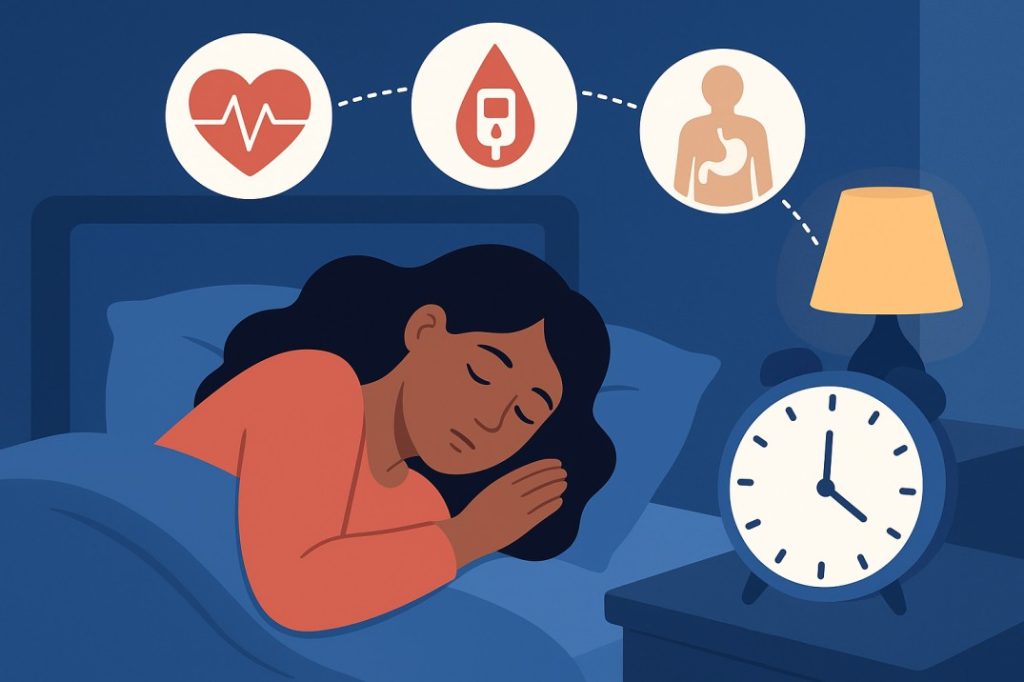
Racial/Ethnic Minorities have Greater Declines in Sleep Duration with Higher Risk of Cardiometabolic Disease
Racial/Ethnic Minorities have Greater Declines in Sleep Duration with Higher ...

pubmed

Clinical Trials
Cervical Health Awareness in Communities of Color Highlights Persistent Cancer Disparities
Cervical Health Awareness in Communities of Color Highlights Persistent Cance...
U.S. Vaccine Schedule Changes Under RFK Jr. Raise Concerns for Communities of Color
U.S. Vaccine Schedule Changes Under RFK Jr. Raise Concerns for Communities of...
Illustration depicting heart failure interventionsโ€”remote monitoring, valve therapies, revascularization, and cardiogenic shockโ€”framed within a health equity roadmap.
90% Problem: Why Minorities Are Shut Out of Advanced Valve Procedures and Lif...
Vaccines and Outbreaks
the importance of childhood immunization and public health
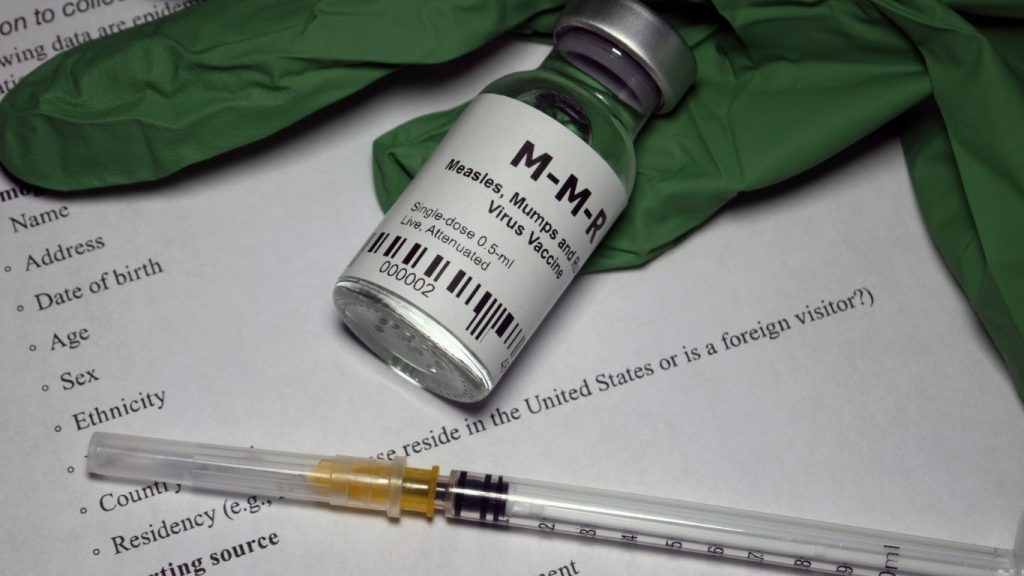
When Childhood Vaccines Become a Personal Choice, Public Health Pays the Price
New Yearโ€™s Eve Safety Tips Driving, Fireworks, CO Risks fyh.news
New Yearโ€™s Eve Safety Tips: Driving, Fireworks, CO Risks
FYH NEWS FLU SEASON STATS
Severe Flu Season Echoes Pandemic-Era Losses as Pediatric Deaths Rise
Other Categories
AI
Cancer
Read the latest Cancer stories trending around the world
Covid19
Diseases of the Body
Read about the latest Diseases of the Body trending around the world
Friday Webinars
Every Friday, we bring you insightful webinars covering critical topics in healthcare, data equity, and policy reform.
Health Data
Read the latest Health Data stories trending around the world
Health Equity Events
Read the best Health Equity Events around the country.
Health Policy
Read the latest Health Policy stories trending around the world
Heart Health
Read the latest on Heart Health News, Stories and Tips.
kidney Health
Read more trending News about Kidney Health, Stories and Tips.
LGBTQ Health
Read the latest LGBTQ Health stories trending around the world
Lift Every Voice Patient Network