













- By Jessica Wilson
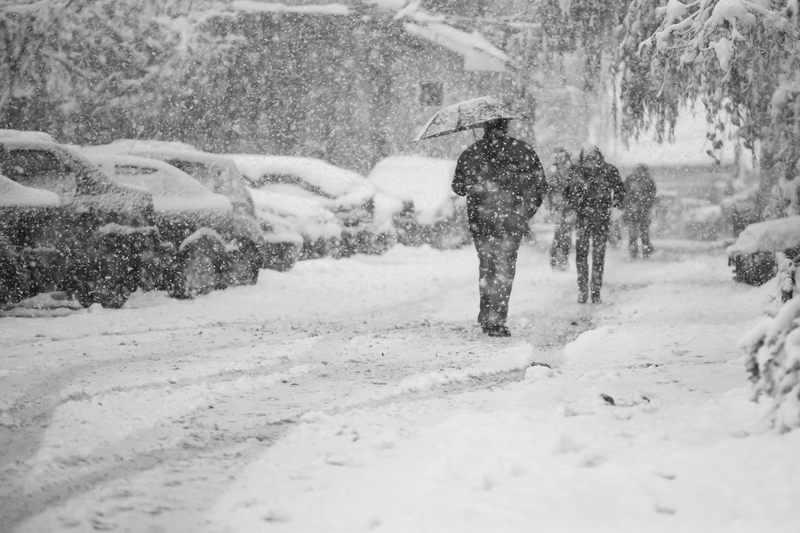
As winter temperatures drop across much of the United States, emergency departments and public health agencies are seeing a familiar seasonal rise in cold-related injuries, including hypothermia, frostbite, and falls caused by ice and snow. These injuries, while often preventable, continue to cause serious illness and death each year, particularly during periods of extreme cold, power outages, and winter storms. Public health officials warn that climate-driven weather variability has increased the frequency of sudden cold snaps, leaving many communities unprepared.
According to the Centers for Disease Control and Prevention, more than 1,300 people die each year in the United States from cold-related causes, with hypothermia accounting for a significant share of those deaths. Older adults, people experiencing homelessness, individuals with chronic medical conditions, and those living in inadequately heated housing face the highest risks. Communities of color are disproportionately affected, in part because of longstanding inequities in housing quality, energy access, and healthcare availability.
Hypothermia occurs when the body loses heat faster than it can produce it, causing a dangerous drop in core body temperature. While often associated with outdoor exposure, hypothermia can also develop indoors, particularly in poorly heated homes or during power outages. Symptoms can include shivering, confusion, slurred speech, and loss of coordination, though in severe cases shivering may stop altogether. The CDC notes that alcohol use significantly increases hypothermia risk by impairing the body’s ability to regulate temperature and dulling awareness of cold exposure.
Frostbite, another serious cold-related injury, happens when skin and underlying tissues freeze, most commonly affecting fingers, toes, ears, and the nose. Early signs include numbness, tingling, and skin discoloration, while severe frostbite can result in permanent tissue damage or amputation. The National Weather Service warns that frostbite can occur in as little as 30 minutes during extreme cold and high winds, conditions that can develop rapidly during winter storms.
Cold weather also contributes to a rise in secondary injuries that strain emergency medical systems each winter. Slips and falls on icy sidewalks and roads are a leading cause of fractures and head injuries, particularly among older adults. The CDC reports that falls remain the leading cause of injury-related death among adults aged 65 and older, and winter weather increases both the frequency and severity of these incidents. Motor vehicle crashes also increase during snow and ice events, with reduced visibility and road traction contributing to higher injury rates.
Public health agencies emphasize that prevention begins with preparation and awareness. Wearing layered, weather-appropriate clothing, limiting time outdoors in extreme cold, and ensuring access to safe indoor heating are foundational strategies. The CDC cautions against using outdoor heating devices such as grills or generators indoors, noting that improper use can lead to carbon monoxide poisoning, another winter hazard that disproportionately affects households with limited resources.
Health equity remains a central concern as winter hazards intensify. Data from housing advocacy groups show that Black, Hispanic, and Native American households are more likely to experience energy insecurity, defined as the inability to adequately heat a home due to cost or infrastructure limitations. During prolonged cold spells, these disparities can translate into higher rates of hypothermia, respiratory illness, and injury. Public health officials stress the importance of community warming centers, utility shutoff protections, and targeted outreach to reduce preventable harm.
As winter weather continues to bring dangerous cold across many regions, experts urge individuals, families, and local governments to treat cold-related injuries as a serious public health issue rather than an unavoidable seasonal inconvenience. By recognizing the risks of hypothermia, frostbite, and winter injuries, and by addressing the social conditions that increase vulnerability, communities can reduce winter-related harm and help ensure that cold weather does not become a life-threatening hazard.
Trending Topics

Features
- Drive Toolkit
Download and distribute powerful vaccination QI resources for your community.
- Health Champions
Sign up now to support health equity and sustainable health outcomes in your community.
- Cancer Early Detection
MCED tests use a simple blood draw to screen for many kinds of cancer at once.
- PR
FYHN is a bridge connecting health information providers to BIPOC communities in a trusted environment.
- Medicare
Discover an honest look at our Medicare system.
- Alliance for Representative Clinical Trials
ARC was launched to create a network of community clinicians to diversify and bring clinical trials to communities of color and other communities that have been underrepresented.
- Reducing Patient Risk
The single most important purpose of our healthcare system is to reduce patient risk for an acute event.
- Jessica Wilson
- Subash Kafle


