







Many Americans associate respiratory syncytial virus, or RSV, with winter. The virus typically spreads during the colder months and often peaks between late fall and early spring. But health experts say RSV does not disappear when temperatures rise.
Cases can still occur during the summer, even if they are less common.
That reality surprises many people. Public awareness campaigns often focus on RSV season in the fall and winter. Yet researchers have found that the virus can circulate throughout the year. In some years, RSV activity has even increased during warmer months because of shifts in seasonal patterns and changes in how people interact after the COVID-19 pandemic.
The Centers for Disease Control and Prevention describes RSV as a common respiratory virus that usually causes mild, cold-like symptoms. However, it can become serious for infants, older adults, and people with certain health conditions.
Stay Informed. Stay Empowered.
Why Summer RSV Still Matters
While most RSV infections occur during traditional respiratory virus season, studies show that off-season cases continue to occur across the United States. Researchers examining hospital records found thousands of RSV cases during the summer months. They also found that Black and Hispanic patients were disproportionately represented among some off-season RSV cases.
Those findings raise important health equity concerns.
Many communities of color already face higher rates of chronic conditions that can increase the risk of severe respiratory illness. Asthma, diabetes, heart disease, and limited access to healthcare can make it harder for some families to recover from infections or receive timely treatment.
RSV spreads through respiratory droplets when an infected person coughs or sneezes. The virus can also spread when people touch contaminated surfaces and then touch their eyes, nose, or mouth. Because those conditions can exist at any time of year, experts say RSV transmission is not limited to winter.
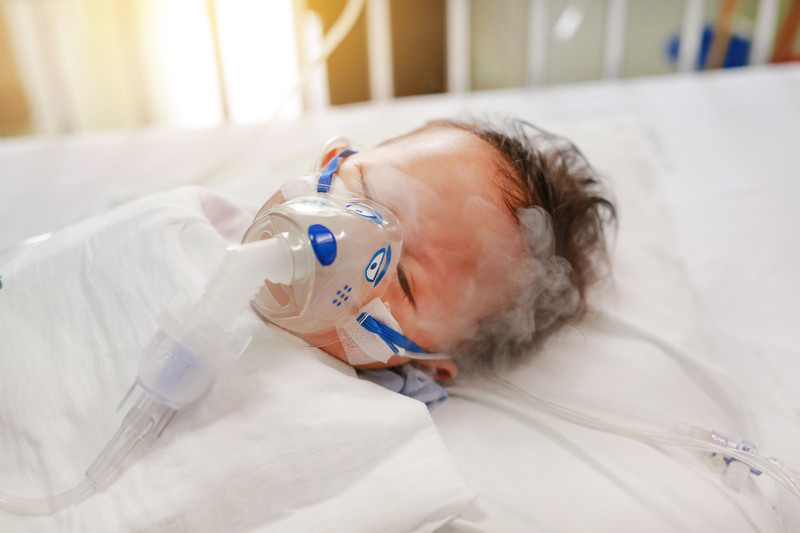
Symptoms often resemble a common cold. Many people develop a runny nose, cough, congestion, fever, or sore throat. For healthy adults and older children, symptoms usually improve within a week or two. However, RSV can lead to pneumonia or bronchiolitis in infants and other vulnerable groups. The CDC reports that RSV is the leading cause of bronchiolitis and pneumonia in children younger than one year old.
Older adults also face significant risks. According to CDC estimates, RSV causes tens of thousands of hospitalizations among adults age 60 and older each year.
Health experts say parents should not automatically dismiss respiratory symptoms during the summer. A child with a persistent cough or breathing difficulties could still have RSV, even when schools are out and temperatures are high.
Researchers continue to study how RSV patterns have changed in recent years. Data from nationwide surveillance show that the virus no longer follows the same predictable schedule seen before the pandemic. Some regions have experienced earlier outbreaks, longer seasons, and more year-round activity.
The good news is that prevention tools have expanded. Vaccines are now available for many older adults, and preventive options exist for certain infants and pregnant women. Public health officials also continue to recommend simple steps such as frequent handwashing, covering coughs and sneezes, and staying home when sick.
For Black and Latino families, awareness may be one of the most important tools. RSV remains a threat beyond the winter season, and knowing that the virus can circulate during the summer may help families recognize symptoms earlier and seek care when needed. As experts learn more about changing RSV patterns, one message remains clear: respiratory viruses do not always follow the calendar, and staying informed can help protect the people most at risk.
Stay Informed. Stay Empowered.
Trending Topics
Features
- Drive Toolkit
Download and distribute powerful vaccination QI resources for your community.
- Health Champions
Sign up now to support health equity and sustainable health outcomes in your community.
- Cancer Early Detection
MCED tests use a simple blood draw to screen for many kinds of cancer at once.
- PR
FYHN is a bridge connecting health information providers to BIPOC communities in a trusted environment.
- Medicare
Discover an honest look at our Medicare system.
- Alliance for Representative Clinical Trials
ARC was launched to create a network of community clinicians to diversify and bring clinical trials to communities of color and other communities that have been underrepresented.
- Reducing Patient Risk
The single most important purpose of our healthcare system is to reduce patient risk for an acute event.
- Jessica Wilson
- Subash Kafle