



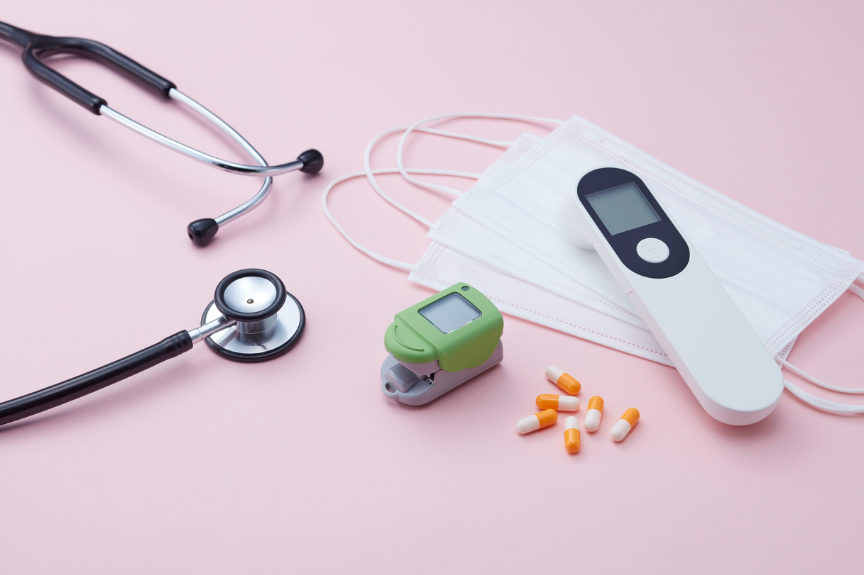









5 Heat Safety Tips That Could Protect Your Health This Summer
Extreme Heat Safety Tips 5 Ways to Protect Your Health This Summer fyh.news

Extreme heat safety tips can help protect your health as summer temperatures rise across the United States. Public health officials warn that high heat can quickly become a medical emergency, especially for older adults, children, outdoor workers, and people with chronic illness.

Across the United States, hotter days are arriving earlier, lasting longer and placing more people at risk for heat-related illness. The Centers for Disease Control and Prevention says heat can affect the body quickly when it is no longer able to cool itself. What may begin as dizziness, headache, nausea, muscle cramps, or heavy sweating can progress to heat exhaustion or heat stroke, a life-threatening condition that requires emergency medical care.

The concern is especially high for older adults, infants and young children, pregnant people, outdoor workers, people with chronic illnesses, and those who do not have reliable access to air conditioning. Heat can worsen heart disease, diabetes, asthma, kidney disease, and some mental health conditions. Some medications can also affect sweating, hydration, or the bodyโ€™s ability to regulate temperature.

Health experts also warn that extreme heat is not experienced equally. Communities of color, immigrant communities, and low-income neighborhoods often face greater exposure because of older housing, fewer trees, more pavement, limited access to cooling, and jobs that require long hours outdoors. In many cities, these neighborhood conditions create โ€œurban heat islands,โ€ where temperatures can be much higher than in nearby areas with more shade and green space.

As summer heat intensifies, public health officials are urging people to take five steps that could protect their health and the health of those around them.

The first is to drink water before the body sends warning signs. Thirst is not always an early enough signal, especially during a heat wave or while working, exercising, or traveling outdoors. Drinking water regularly throughout the day can help prevent dehydration before symptoms begin. People who sweat heavily or work for long periods in hot conditions may also need electrolytes, while those with heart or kidney conditions should ask a health care provider how much fluid is safe for them.

The second step is to treat cooling as a form of prevention, not a luxury. Air conditioning is one of the strongest protections against heat-related illness. For people without reliable air conditioning at home, cooling centers, libraries, community centers, shopping centers, and other public indoor spaces can provide important relief. Even a few hours in a cool space can help reduce the strain heat places on the body. At home, closing curtains during the day, avoiding oven use, and limiting activities that raise indoor temperatures can also help keep living spaces safer.

The third step is to plan outdoor time more carefully. The hottest hours of the day are often the most dangerous for exercise, errands, yard work, sports, and community events. When possible, outdoor activity should be scheduled for early morning or evening. People who must be outside should take breaks in shade or air conditioning, wear lightweight clothing, use sunscreen, and pay attention to early symptoms rather than trying to push through them. Employers also have a responsibility to reduce risk for workers by providing water, rest, and shade during hot conditions.

The fourth step is to check on people who may not be able to protect themselves easily. Extreme heat can be especially dangerous for older adults, people with disabilities, people living alone, children, and families without transportation. A phone call, text message, or visit can help determine whether someone has water, cooling, medication, and a safe place to go. Children and pets should never be left in parked cars, even for a short time, because temperatures inside vehicles can rise quickly and become deadly.

The fifth step is to know when heat becomes an emergency. Heat exhaustion can cause heavy sweating, weakness, dizziness, nausea, headache, and fainting. A person with these symptoms should be moved to a cooler place, given water if they can drink safely, and cooled with damp cloths, air conditioning, or a cool shower. Heat stroke is more serious and may cause confusion, loss of consciousness, seizures, very high body temperature, or hot skin. If heat stroke is suspected, 911 should be called immediately while cooling begins.

Federal health officials have also encouraged residents to use tools such as the CDC HeatRisk Dashboard, which allows people to search local heat conditions by ZIP code and review recommended protective actions. The CDCโ€™s Heat & Health Tracker also provides information on heat events, health risks, and local resources.

As climate change contributes to more frequent and intense heat events, experts say heat safety must become part of routine summer planning. Staying hydrated, finding cool spaces, adjusting outdoor activity, checking on vulnerable people, and recognizing warning signs are simple steps, but they can be lifesaving.

Extreme heat can be dangerous, but many heat-related illnesses are preventable. This summer, protecting health will depend not only on responding when someone becomes sick but also on preparing before the hottest days arrive.

Stay Informed. Stay Empowered.
Also Read: Gen Z Women Are Seeing More GLP-1 Ads. Here’s What They Need to Know About the Risks and Side Effects.

Trending Topics

Features

Download and distribute powerful vaccination QI resources for your community.

Sign up now to support health equity and sustainable health outcomes in your community.

MCED tests use a simple blood draw to screen for many kinds of cancer at once.

FYHN is a bridge connecting health information providers to BIPOC communities in a trusted environment.

Discover an honest look at our Medicare system.

ARC was launched to create a network of community clinicians to diversify and bring clinical trials to communities of color and other communities that have been underrepresented.

The single most important purpose of our healthcare system is to reduce patient risk for an acute event.

Related Posts
5 Heat Safety Tips That Could Protect Your Health This Summer
Gen Z Women Are Seeing More GLP-1 Ads. Here’s What They Need to Know About the Risks and Side Effects.
Closing the Healthcare Gap Requires Embracing Innovation
Scroll to Top
Featured Articles
Extreme Heat Safety Tips 5 Ways to Protect Your Health This Summer fyh.news
5 Heat Safety Tips That Could Protect Your Health This Summer
Gen Z Women Are Seeing More GLP-1 Ads. Here's What They Need to Know About the Risks and Side Effects.
Gen Z Women Are Seeing More GLP-1 Ads. Here's What They Need to Know About th...
Healthcare professional using artificial intelligence and digital health technology to improve patient outcomes and advance health equity in African American communities.
Closing the Healthcare Gap Requires Embracing Innovation
Lupus Awareness Event in Baltimore Aims to Support Research and Shine a Light on Health Disparities
Lupus Awareness Event in Baltimore Aims to Support Research and Shine a Light...
Healthcare Gaps Continue to Put Black and Latino LGBTQ+ Communities at Risk
Alzheimerโ€™s Awareness Month Highlights Growing Crisis for Black Americans
Categories
AI
ATTR-CM
BIPOC News
Cancer
Clinical Trials
Covid19
Diseases of the Body
Environment
Health Data
Health Equity Events
Health Policy
Health Tips
Subscribe to our newsletter to receive our latest newsโ€‹
All Stories
Extreme Heat Safety Tips 5 Ways to Protect Your Health This Summer fyh.news
5 Heat Safety Tips That Could Protect Your Health This Summer
Gen Z Women Are Seeing More GLP-1 Ads. Here's What They Need to Know About the Risks and Side Effects.
Gen Z Women Are Seeing More GLP-1 Ads. Here's What They Need to Know About th...
Healthcare professional using artificial intelligence and digital health technology to improve patient outcomes and advance health equity in African American communities.
Closing the Healthcare Gap Requires Embracing Innovation
BIPOC News
Gen Z Women Are Seeing More GLP-1 Ads. Here's What They Need to Know About the Risks and Side Effects.
Gen Z Women Are Seeing More GLP-1 Ads. Here's What They Need to Know About th...
Healthcare professional using artificial intelligence and digital health technology to improve patient outcomes and advance health equity in African American communities.
Closing the Healthcare Gap Requires Embracing Innovation
Lupus Awareness Event in Baltimore Aims to Support Research and Shine a Light on Health Disparities
Lupus Awareness Event in Baltimore Aims to Support Research and Shine a Light...
Environment
Extreme Heat Safety Tips 5 Ways to Protect Your Health This Summer fyh.news
5 Heat Safety Tips That Could Protect Your Health This Summer
Lupus Awareness Event in Baltimore Aims to Support Research and Shine a Light on Health Disparities
Lupus Awareness Event in Baltimore Aims to Support Research and Shine a Light...
Healthcare Gaps Continue to Put Black and Latino LGBTQ+ Communities at Risk
Work Force
dreamstime_s_243253251
The Caregiver Journey: The Hidden Backbone of American Healthcare
Families gather at a Bronx community festival with live music, kidsโ€™ activities, and health booths sharing SOMOS social care resources and free screenings.
Celebrating Hispanic heritage while learning about health care

msn

Racial/Ethnic Minorities have Greater Declines in Sleep Duration with Higher Risk of Cardiometabolic Disease
Racial/Ethnic Minorities have Greater Declines in Sleep Duration with Higher ...

pubmed

Clinical Trials
dreamstime_s_174488289
PCOS to PMOS: Why the 2026 Name Change Matters for Womenโ€™s Health

Lupus Awareness Month Highlights Ongoing Gaps in Clinical Trials for Black and Brown Communities
Lupus Awareness Month Highlights Ongoing Gaps in Clinical Trials for Black an...
Black Family Wellness Expo 2026 Atlanta
Black Family Wellness Expo Brings Healing, Resources, and Community Together
Vaccines and Outbreaks
Michelle Lam, MBA, of NYC Health + Hospitals/Elmhurst & Amy Harris of NYC Health + Hospitals/Elmhurst
Healthcare Leaders Spotlight Vaccine Equity and Adult Immunization Strategies...
Measles Outbreaks Surge: Essential Facts and Prevention Strategies
U.S. measles cases 2026: Outbreaks Spread as MMR Coverage
2026 Measles Spike: U.S. Cases Rise Fast as Outbreaks Grow
Other Categories
AI
Read the latest AI News stories trending around the world
ATTR-CM
Cancer
Read the latest Cancer stories trending around the world
Covid19
Diseases of the Body
Read about the latest Diseases of the Body trending around the world
Friday Webinars
Every Friday, we bring you insightful webinars covering critical topics in healthcare, data equity, and policy reform.
Health Data
Read the latest Health Data stories trending around the world
Health Equity Events
Read the best Health Equity Events around the country.
Health Policy
Read the latest Health Policy stories trending around the world
Health Tips
Heart Health
Read the latest on Heart Health News, Stories and Tips.
kidney Health
Read more trending News about Kidney Health, Stories and Tips.



