

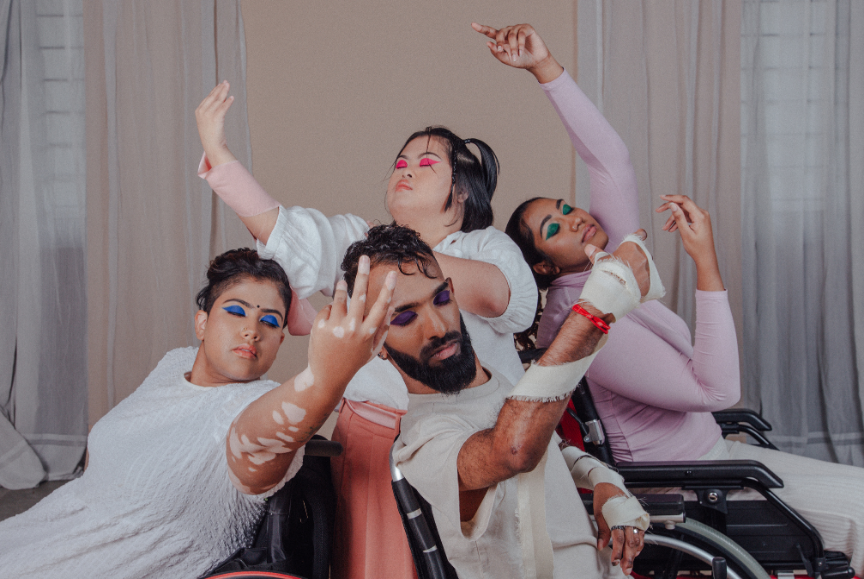











For millions of Americans with disabilities, employment is closely connected to more than a paycheck. Work can influence access to health insurance, financial stability, social connection and the ability to participate fully in community life. Yet people with disabilities continue to face significant differences in employment and health care access, challenges that can become more complex when disability intersects with race, ethnicity, income and other social factors.
October marks National Disability Employment Awareness Month (NDEAM), an annual observance recognizing the contributions of people with disabilities to the workforce. The U.S. Department of Labor’s 2026 theme, “Celebrating Value and Talent,” focuses on the skills and contributions of workers with disabilities and the importance of employment opportunities. NDEAM began as a weeklong observance in 1945 and was expanded and formally designated by Congress in 1988. The need for that recognition remains evident in current employment data. According to the U.S. Bureau of Labor Statistics, 22.8% of people with disabilities ages 16 and older were employed in 2025, compared with 65.2% of people without disabilities. Among people with disabilities ages 16 to 64, the employment-population ratio was 38.1%. The unemployment rate for people with disabilities was 8.3%, compared with 4.1% for people without disabilities. BLS notes that the employment gap exists across age groups, although differences in age distribution also contribute to the overall numbers. Employment and health are not separate issues. The ability to obtain and maintain a job can affect whether a person has access to employer-sponsored insurance, transportation, stable housing and other resources that influence health. At the same time, barriers within health care can make it harder for people with disabilities to obtain preventive services, manage chronic conditions or receive information in a format they can use.
The Centers for Disease Control and Prevention estimates that more than 61 million U.S. adults, or about one in four, reported a disability based on 2022 data. The CDC also found that access to care varies by disability type and that disparities are particularly apparent among younger and middle-aged adults with disabilities. Adults with vision disabilities, for example, reported some of the lowest levels of health care access across measures that included insurance coverage, having a usual health care provider, unmet needs because of cost and routine checkups. Those challenges do not affect all disabled Americans in the same way. Race and ethnicity can add another layer to the experience of navigating employment and health systems. CDC research has found differences in the prevalence of disability across racial and ethnic groups and has emphasized the importance of understanding those differences when working to improve health care access. In CDC data, disability was reported by roughly three in 10 Indigenous peoples of America and Alaska Native adults and about one in 10 Asian adults, although prevalence varies by age and other demographic factors.
Research has also documented racial and ethnic differences in health care use and insurance coverage among people with disabilities. A nationally representative study published through the National Institutes of Health found racial and ethnic disparities in health status, health care visits and insurance coverage among some groups of adults with disabilities. Researchers concluded that reducing disparities requires attention to racial and ethnic differences within the disability population rather than treating people with disabilities as a single, uniform group.
Health literacy is part of access
For people with disabilities, access to health care involves more than whether a clinic or insurance plan is technically available. Information must also be understandable, usable and accessible. A patient may need medical information in plain language, large print, captions, screen-reader-compatible formats, sign-language interpretation or other communication accommodations. For someone navigating multiple health conditions or systems at once, understanding what a diagnosis means, which questions to ask and how to follow up can be just as important as getting through the clinic door.
The CDC identifies effective communication, usable facilities and appropriate accommodations as important components of inclusive health care. It also notes that people with disabilities are more likely to experience poorer overall health and inadequate access to health care and may face preventable secondary health conditions. This is where health literacy becomes an important part of the health equity conversation. Health literacy is not simply an individual’s ability to understand medical terminology. It also reflects whether health systems communicate clearly and provide people with the information and support they need to make decisions and navigate care.
That approach aligns with the work of the National Minority Quality Forum (NMQF), which describes its mission as reducing patient risk and advancing health access by assuring optimal care for all. NMQF’s Center for Communications & Public Affairs focuses on patient education, health communication, health advocacy and community partnerships, while the organization’s broader work uses research and data to address disparities affecting minoritized populations. NMQF’s 2026 Leadership Summit also centered on “ACCESS: Advancing Community-Centered Care through Environment Sensitive Standards,” bringing together health care leaders, researchers, policymakers and community partners to examine ways to improve access and outcomes in underserved communities. The framework reflects a broader recognition that health outcomes are shaped not only by clinical care but also by the environments and systems in which people live.
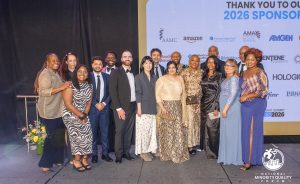
For National Disability Employment Awareness Month, that perspective places employment within a larger health access story. Recognizing disabled workers means recognizing both their contributions and the conditions that affect their ability to participate in the workforce and maintain their health. It also means ensuring that health information, preventive care and health systems are accessible to people with different disabilities and across racial and ethnic communities.
As October brings renewed attention to disability employment, the conversation extends beyond the workplace. Meaningful inclusion also depends on whether people can understand health information, access appropriate care and navigate the systems that shape their health and economic stability. For NMQF and other organizations focused on health access, improving those connections is part of the larger effort to ensure that access to information and quality care does not depend on disability, race or circumstance.
Stay Informed. Stay Empowered.



