














The Senate HELP Committee approved 11 bipartisan health care bills focused on making health care more affordable and accessible. The legislation includes measures to lower insulin costs, expand access to biosimilar medicines, improve price transparency, strengthen the nursing workforce, support rural maternity care, improve food safety, and develop a national epilepsy strategy. The bills now move to the full Senate for consideration.Quick Answer: What health care bills did the Senate HELP Committee approve?
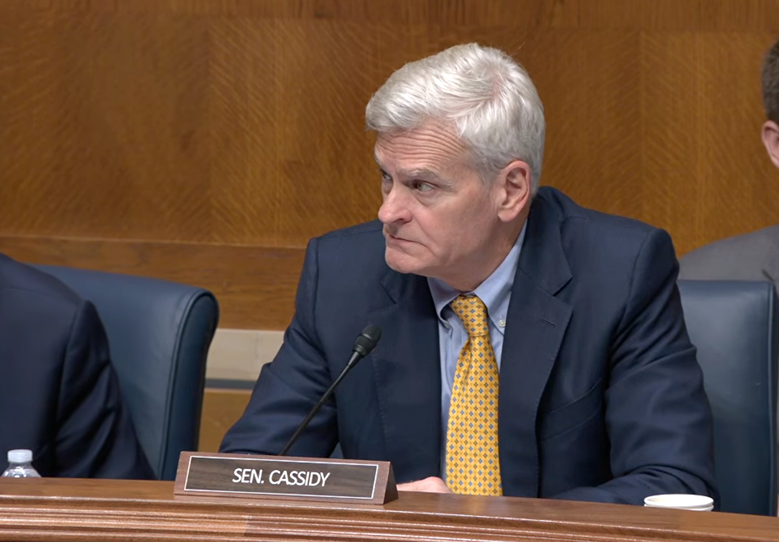
The U.S. Senate Health, Education, Labor, and Pensions (HELP) Committee has approved a package of health care bills aimed at lowering costs, expanding access to care, and strengthening the nation’s health workforce. The legislation, advanced during a committee markup led by Chairman Sen. Bill Cassidy, M.D. (R-La.), now moves to the next stage of the legislative process for consideration by the full Senate.
Cassidy, a physician who spent more than 25 years caring for uninsured and underinsured patients, said the measures reflect concerns he has seen throughout his medical career.
“I come to this issue not only as a senator, but as a doctor who practiced medicine in a hospital for the uninsured and underinsured for over 25 years,” Cassidy said. “We’re seeing the inability to afford health care is impacting the ability of small businesses to provide health insurance for their employees.”
The committee approved several measures with bipartisan support. Three bills—the National Plan for Epilepsy Act, the Expedited Access to Biosimilars Act, and the Making America’s Food Safer Act—passed unanimously in a 22-0 vote. Five additional bills, including the Patients Deserve Price Tags Act, the CLEAR LABELS Act, the EMPOWER for Health Act, the Title VIII Nursing Workforce Reauthorization Act of 2025, and the Rural Obstetrics Readiness Act, passed by a vote of 21-1. Other measures, including the SAFE Drugs Act of 2026, the INSULIN Act of 2026, and the Childhood Diabetes Reduction Act, were approved on narrower bipartisan votes.
Among the bills receiving committee approval are proposals that would require greater transparency in health care pricing, improve access to lower-cost biosimilar medicines, address insulin affordability, strengthen the nursing workforce, improve emergency obstetric care in rural communities, enhance food safety, increase protections against counterfeit or unsafe medications, improve nutrition labeling, and establish a national strategy for epilepsy. The package also includes legislation focused on reducing childhood diabetes and supporting preventive health initiatives.
Cassidy described the committee’s work as an example of bipartisan cooperation on issues affecting patients and families.
“Today’s markup shows the success we can have when we work together on shared priorities,” Cassidy said. “I appreciate my colleague’s efforts on these bills advancing a pro-patient, pro-family and pro-worker agenda.”
Stay Informed. Stay Empowered.
Why this Health Care Access Bills matter for underserved communities
Many of the bills approved by the committee address issues that disproportionately affect underserved communities, including the high cost of prescription drugs, shortages of health care providers, and limited access to maternity services in rural areas. Expanding access to biosimilars could increase the availability of lower-cost treatments for chronic diseases, while efforts to improve insulin affordability may help people living with diabetes better manage their condition. Reauthorizing federal nursing workforce programs and strengthening rural obstetric preparedness could also improve access to care in communities that face persistent provider shortages.
The legislation has cleared the Senate HELP Committee but must still be considered by the full Senate and, where applicable, the House of Representatives before any of the measures can become law.
Watch the full Senate HELP Committee hearing to hear lawmakers discuss the health care bills that could impact prescription drug costs, rural care, the nursing workforce, and access to affordable health care across the country.
Trending Topics

Features
- Drive Toolkit
Download and distribute powerful vaccination QI resources for your community.
- Health Champions
Sign up now to support health equity and sustainable health outcomes in your community.
- Cancer Early Detection
MCED tests use a simple blood draw to screen for many kinds of cancer at once.
- PR
FYHN is a bridge connecting health information providers to BIPOC communities in a trusted environment.
- Medicare
Discover an honest look at our Medicare system.
- Alliance for Representative Clinical Trials
ARC was launched to create a network of community clinicians to diversify and bring clinical trials to communities of color and other communities that have been underrepresented.
- Reducing Patient Risk
The single most important purpose of our healthcare system is to reduce patient risk for an acute event.
- Jessica Wilson
- Subash Kafle


