











- By FYH News Team
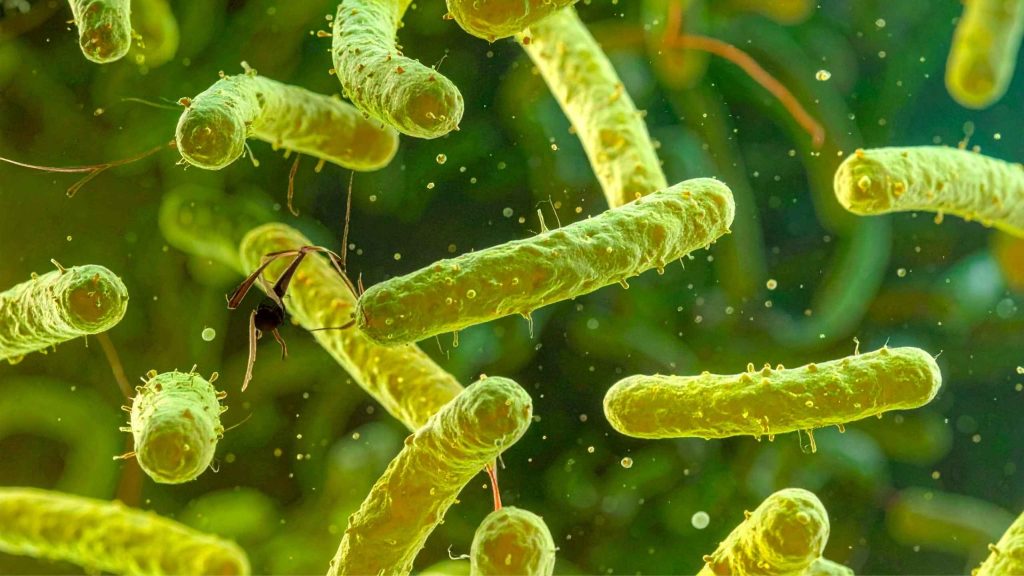
Florida health officials have reported the state’s first death of 2026 linked to Vibrio vulnificus, a potentially dangerous bacterium that lives in warm coastal waters.
As of July 30, the Florida Department of Health had confirmed 12 infections and one death this year. Officials reported the death in Palm Beach County, which has recorded two cases. The department has not released personal information about the individual.
Lee and Miami-Dade counties have also reported two cases each. Bay, Hillsborough, Marion, Okaloosa, Polk and St. Johns counties have each reported one case.
Florida’s current numbers remain below the totals from the past two years. The state recorded 33 cases and five deaths in 2025. In 2024, Florida reported 82 cases and 19 deaths. Health officials connected some of the 2024 increase to Hurricane Helene and its effects on Gulf Coast communities.
News reports sometimes call Vibrio vulnificus a “flesh-eating bacterium.” However, public health experts generally avoid that term because it can create unnecessary fear.
The bacterium can cause necrotizing fasciitis, a rare but serious infection that damages tissue around a wound. Several different bacteria can cause this condition. Vibrio vulnificus does not literally consume flesh.
How Vibrio vulnificus infections occur
Vibrio vulnificus naturally lives in salt water and brackish water, where freshwater and seawater mix. Warmer temperatures can help the bacteria grow.
People can develop an infection when coastal water enters an open cut, scrape or surgical wound. Recent tattoos and piercings may also create an entry point.
People may also become sick after eating raw or undercooked seafood. Raw oysters present a particular risk because they filter water and can collect Vibrio bacteria.
Most people who encounter Vibrio do not develop a severe illness. However, Vibrio vulnificus can cause life-threatening infections in people with certain health conditions.
The Centers for Disease Control and Prevention estimates that about one in five people with a Vibrio vulnificus infection die. In some cases, the illness progresses within one or two days.
Symptoms depend on how the bacteria entered the body. A food-related infection may cause diarrhea, stomach cramps, nausea, vomiting, fever and chills.
A wound infection may cause redness, swelling, warmth, pain or discoloration. Some patients develop drainage or fluid-filled blisters near the wound.
The bacteria can also enter the bloodstream. A bloodstream infection may cause fever, chills, low blood pressure, skin lesions and septic shock.
People with chronic liver disease face the greatest risk of severe illness. Diabetes, cancer, HIV and other conditions that weaken the immune system can also increase the risk. Certain medications may make a person more vulnerable as well.
Anyone who develops worsening pain, swelling or skin discoloration after coastal water exposure should seek medical care immediately. Patients should tell the health care provider about any recent contact with salt water, brackish water or raw seafood.
Early treatment can save lives. Doctors may use antibiotics to control the infection. Some patients may also need surgery to remove damaged tissue.
Prevention and health equity concerns
Health officials encourage people to cook oysters and other shellfish thoroughly. Cooking seafood properly can kill harmful Vibrio bacteria.
People should also avoid coastal water when they have an open wound. Those who enter the water should cover wounds with a secure waterproof bandage.
After contact with salt water or brackish water, people should wash cuts and scrapes with soap and clean running water. Gloves can also protect people who handle raw seafood.
Storms, hurricanes and coastal flooding may increase exposure risks. Floodwater can carry bacteria into homes, streets and cleanup areas. People helping with storm recovery should protect wounds and wear appropriate footwear and gloves.
Public health agencies must also communicate these risks in clear and accessible ways. Coastal workers, seafood handlers, fishing communities and people involved in disaster cleanup may face greater exposure.
Some communities may also experience delays in receiving care because of cost, transportation challenges or limited access to nearby health facilities. Language barriers may prevent residents from receiving timely warnings or understanding symptoms.
These challenges can place communities of color and lower-income residents at greater risk during coastal emergencies. Health departments can reduce those risks through multilingual alerts, community partnerships and affordable access to urgent medical care.
Officials are not advising the public to avoid Florida beaches. Vibrio vulnificus infections remain uncommon. Most people can reduce their risk by covering wounds, avoiding raw shellfish and recognizing early symptoms.
As coastal waters remain warm through the summer, health officials urge residents and visitors to take simple precautions. Prompt medical attention remains essential when an infection develops quickly after contact with coastal water or seafood.
Also Read: Nationwide Levothyroxine Recall: Patients Urged to Check Thyroid Medication Lots
Trending Topics

Features
- Drive Toolkit
Download and distribute powerful vaccination QI resources for your community.
- Health Champions
Sign up now to support health equity and sustainable health outcomes in your community.
- Cancer Early Detection
MCED tests use a simple blood draw to screen for many kinds of cancer at once.
- PR
FYHN is a bridge connecting health information providers to BIPOC communities in a trusted environment.
- Medicare
Discover an honest look at our Medicare system.
- Alliance for Representative Clinical Trials
ARC was launched to create a network of community clinicians to diversify and bring clinical trials to communities of color and other communities that have been underrepresented.
- Reducing Patient Risk
The single most important purpose of our healthcare system is to reduce patient risk for an acute event.
- Subash Kafle
- Victor Mejia
- Jessica Wilson



