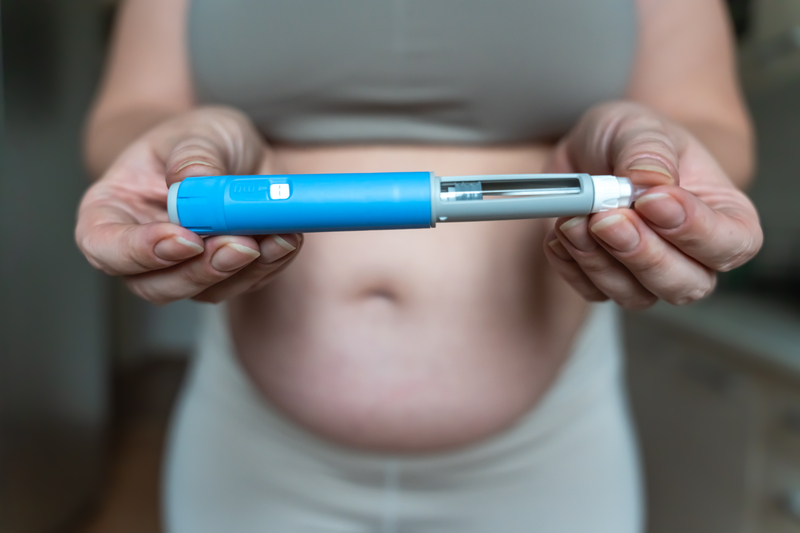













Preconception care guidelines for women with diabetes are critical for improving pregnancy outcomes and reducing complications. These guidelines emphasize tight glycemic control and the use of advanced diabetes technologies to help women manage blood sugar levels effectively before conception.
Maintaining tight glycemic control, with targets such as HbA1c <6.5%, fasting glucose 60–99 mg/dL, and peak postprandial glucose 100–129 mg/dL, prior to conception remains a formidable challenge in women’s health, with suboptimal management linked to congenital anomalies, miscarriage, and hypertensive disorders. The new joint guidelines from the Endocrine Society and European Society of Endocrinology, published in July 2025, underscore the necessity of comprehensive preconception care to optimize maternal glycemic control and reduce adverse outcomes, defining benchmarks for what constitutes proper preconception care for women with diabetes.
In their exploration of new preconception care guidelines for women with diabetes, the societies highlight continuous glucose monitoring (CGM), insulin pump advancements, telehealth-enabled coaching, which involves remote patient education and support through digital platforms, and digital decision-support, referring to software tools that assist clinicians in making evidence-based treatment decisions, as pivotal diabetes technologies.
These tools facilitate tighter blood sugar control, minimizing glycemic excursions—fluctuations in blood glucose levels linked to adverse fetal outcomes—and enabling clinicians to refine pregnancy management strategies around each patient’s unique profile.
Ensuring equitable therapeutic access is essential for translating these recommendations into practice. Enhanced coverage of sensor technologies, insulin analogs, and telemedicine platforms can bridge gaps in care and support sustained adherence to preconception protocols.
Consider a 32-year-old woman with type 1 diabetes who, after integrating sensor-augmented pump therapy and remote endocrinology consultations, achieved fasting and postprandial targets consistently. This personalized approach not only lowered her HbA1c but also reduced the risk of preeclampsia, culminating in a full-term delivery without major complications. Studies have shown that improved glycemic control before and during pregnancy is associated with a reduced risk of preeclampsia in women with type 1 diabetes.
Implementing these guidelines calls for multidisciplinary collaboration among endocrinologists, obstetricians, diabetes educators, and payers to align on eligibility criteria, coverage policies, and patient education frameworks. Ongoing evaluation of patient-reported outcomes and real-world registry data will be critical to fine-tune recommendations and address barriers to technology uptake. As emerging therapeutics and novel adjunctive agents continue to reach clinical practice, proactive strategies to secure access will determine whether the promise of a technology-enabled, personalized preconception model is fully realized. However, current evidence gaps, cost considerations, and potential implementation challenges must be addressed to ensure equitable and effective integration of these advancements into standard care.
Key Takeaways:
- New guidelines emphasize comprehensive preconception care and incorporate advanced diabetes management for better pregnancy outcomes.
- Emerging technologies play a vital role in achieving optimal blood sugar control and enhancing therapeutic access.
- These developments highlight the ongoing need for personalized approaches and access to new therapies in diabetes care for prospective mothers. Source link
Also Read: Doctors of Behavioral Health Graduation at Cummings Institute
Trending Topics

Features
- Drive Toolkit
Download and distribute powerful vaccination QI resources for your community.
- Health Champions
Sign up now to support health equity and sustainable health outcomes in your community.
- Cancer Early Detection
MCED tests use a simple blood draw to screen for many kinds of cancer at once.
- PR
FYHN is a bridge connecting health information providers to BIPOC communities in a trusted environment.
- Medicare
Discover an honest look at our Medicare system.
- Alliance for Representative Clinical Trials
ARC was launched to create a network of community clinicians to diversify and bring clinical trials to communities of color and other communities that have been underrepresented.
- Reducing Patient Risk
The single most important purpose of our healthcare system is to reduce patient risk for an acute event.
- Victor Mejia
- Jessica Wilson
- Trish Tabor