









In the journey toward health equity, early detection is one of our strongest tools. For African American communities, where chronic conditions and cancer are often diagnosed later and at more advanced stages, timely screenings can mean the difference between life and loss.
According to the American Cancer Society, Black Americans face higher death rates from most major cancers, including breast, colorectal, lung, and prostate. These disparities are fueled by systemic inequities —but awareness, access, and advocacy can help shift the outcomes.
Here are five essential screenings every Black adult should know about and ask their healthcare provider
today.
1. Colon Cancer Screening
Why it matters: Colorectal cancer is the second leading cause of cancer death in African Americans. Black adults are more likely to be diagnosed at later stages and have a 20% higher mortality rate compared to white patients.
When to screen: Starting at age 45, or earlier if you have a family history of colon cancer.
Screening methods: – Colonoscopy (every 10 years) – FIT test (annually) – Cologuard (every 3 years)
Tip: If you’re nervous about colonoscopy prep or procedure, talk to your provider about alternative options
—many are non-invasive and can be done at home.
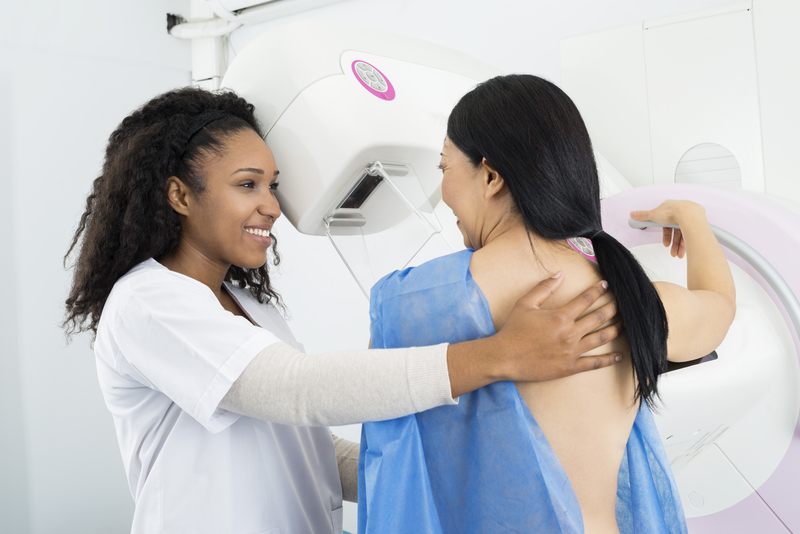
2. Breast Cancer Screening
Why it matters: Black women are 40% more likely to die from breast cancer than white women, despite similar incidence rates. They’re also more likely to be diagnosed younger and with more aggressive forms like triple-negative breast cancer.
When to screen: – Age 40 and up: Annual or biennial mammograms are recommended – Earlier if there’s a family history or you carry a BRCA1/2 mutation
Tip: Ask if 3D mammography is available, which is more effective for women with dense breast tissue—a
common trait among Black women.
3. Prostate Cancer Screening
Why it matters: Black men have the highest prostate cancer incidence rate in the world and are twice as likely to die from the disease compared to white men.
When to screen: – Starting at age 45 (or 40 if you have a family history) – PSA blood test and digital rectal exam are common screening tools
Tip: Prostate cancer screening can be controversial, so make sure to have a values-based conversation with
your provider about the pros and cons.
4. Lung Cancer Screening
Why it matters: Lung cancer is the leading cause of cancer death in Black men and women. Although Black Americans smoke at slightly lower rates, they are more likely to be diagnosed at later stages.
When to screen: – Ages 50-80 with a history of heavy smoking (20 pack-years or more), and either still smoking or having quit within the past 15 years – Annual low-dose CT scan recommended
Tip: If you don’t meet the smoking criteria but have other lung risks (e.g., environmental exposure, family
history), still talk to your doctor.
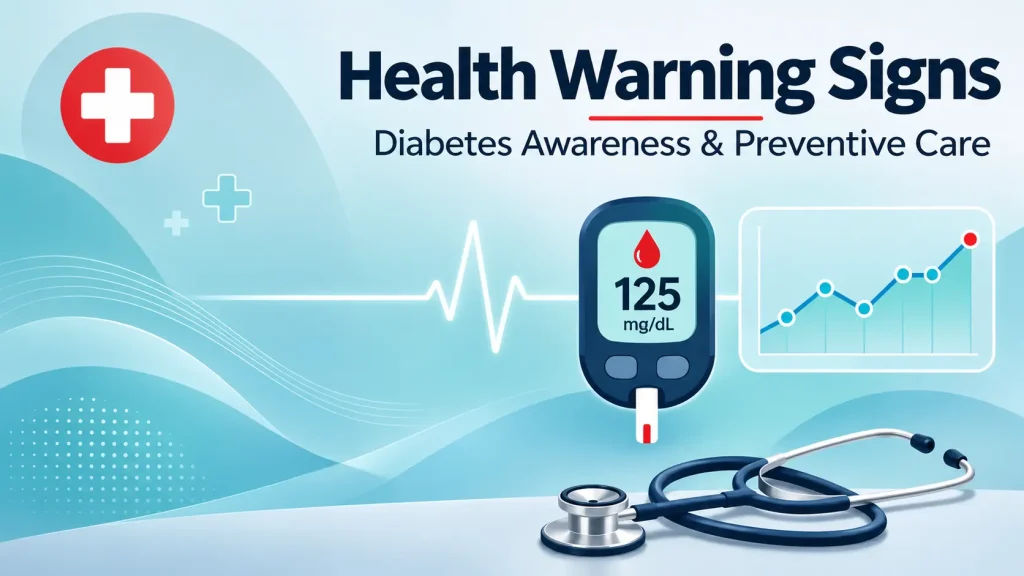
5. Blood Pressure and Diabetes Checks
Why it matters: Though not cancer screenings, hypertension and diabetes are silent killers that disproportionately affect Black adults. – 56% of Black adults have high blood pressure – Black Americans are nearly twice as likely to be diagnosed with diabetes.
Screening recommendations: – Blood pressure: every year starting in early adulthood – A1C/blood glucose: at least every 3 years (more if at high risk)
Tip: Many community health fairs offer free screenings. Bring a friend or family member to normalize checkups.
How to Advocate for Yourself
- Bring a list of screenings to your appointment
- Ask questions: What does this test involve? What are the risks?
- Know your history: Talk to family about their health experiences
- Don’t delay follow-ups: Screening is only powerful when paired with timely care
Finding Free or Low-Cost Screenings
- Federally Qualified Health Centers (FQHCs) often offer income-based preventive care
- Planned Parenthood and local women’s clinics offer breast and cervical screenings
- State cancer programs: Search “[your state] + free cancer screening”
- Churches, barbershops, and community groups often host health fairs with no-cost tests
Conclusion
Black health is powerful, but only if we protect it early. From colonoscopies to mammograms, these
screenings can help catch illness before it becomes deadly. The earlier we check in with our bodies, the
better our chances to thrive.
Don’t wait. Ask. Advocate. Act.
Also Read: Reimagining Healthcare with the Laws of Nature: Introducing the Physical Laws Framework (PLF)
Trending Topics

Features
- Drive Toolkit
Download and distribute powerful vaccination QI resources for your community.
- Health Champions
Sign up now to support health equity and sustainable health outcomes in your community.
- Cancer Early Detection
MCED tests use a simple blood draw to screen for many kinds of cancer at once.
- PR
FYHN is a bridge connecting health information providers to BIPOC communities in a trusted environment.
- Medicare
Discover an honest look at our Medicare system.
- Alliance for Representative Clinical Trials
ARC was launched to create a network of community clinicians to diversify and bring clinical trials to communities of color and other communities that have been underrepresented.
- Reducing Patient Risk
The single most important purpose of our healthcare system is to reduce patient risk for an acute event.
- Subash Kafle
- Jessica Wilson
- Victor Mejia