











U.S. Vaccine Schedule Changes Under RFK Jr. Raise Concerns for Communities of Color

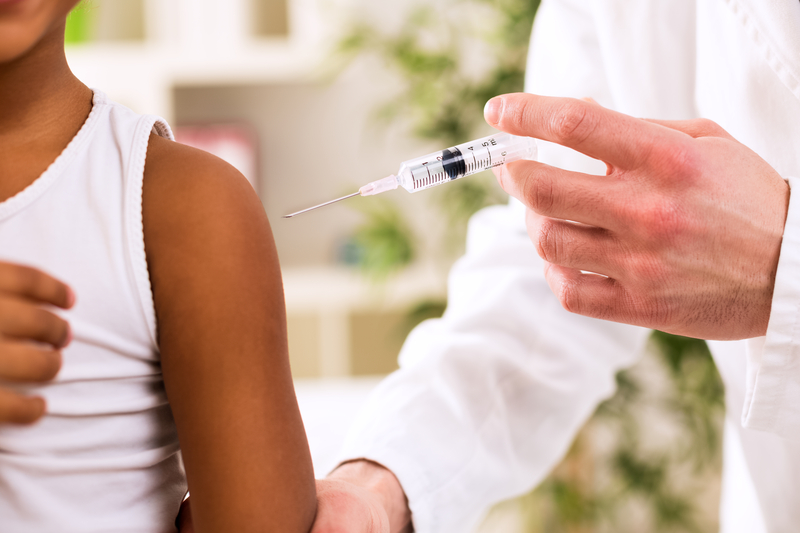
In early January 2026, the United States Government instituted one of the most significant overhauls of its federal childhood vaccination recommendations in decades, removing broad recommendations for six vaccines previously advised for all children and shifting to a model that emphasizes individualized decision-making between clinicians and families. The change, driven by Health and Human Services Secretary Robert F. Kennedy Jr., has rapidly reshaped national vaccine guidance and ignited intense debate among health officials, pediatricians, and advocates for health equity.

Under the revised guidance issued on January 5, the Centers for Disease Control and Prevention will no longer universally recommend routine immunization against influenza, rotavirus, hepatitis A, hepatitis B, meningococcal disease, and respiratory syncytial virus (RSV) for every child. Instead, these vaccines are now advised either for children at higher clinical risk or only after shared decision-making with a healthcare provider. Vaccines that remain broadly recommended include those for measles, mumps, rubella, polio, pertussis, tetanus, and human papillomavirus. Federal and private insurance coverage for all vaccines, including those no longer universally recommended, is expected to continue.

Medical experts, pediatric associations, and public health organizations have reacted sharply against the revisions, warning that they undermine long-standing evidence-based immunization practices that have dramatically reduced childhood disease in the United States. The American Academy of Pediatrics described the changes as dangerous and unnecessary, emphasizing that the previous scheduleโ€™s broad recommendations were backed by decades of scientific data showing the effectiveness of vaccines in preventing hospitalizations, severe illness, and death. Critics say the decision was made without rigorous scientific review or meaningful input from independent vaccine advisory panels.

For communities of color and medically underserved populations, the implications of this policy shift raise specific concerns about health equity and access to preventive care. Black, Hispanic, and Native American children have historically borne disproportionate burdens of vaccine-preventable diseases due to structural barriers, including limited access to quality healthcare, higher rates of chronic conditions, and inequities in health insurance coverage. Public health research consistently shows that broad, universal vaccine recommendations can help reduce these disparities by normalizing vaccination and supporting widespread uptake through routine pediatric care visits.

Experts point out that when the federal government signals that certain vaccines are no longer standard preventive care, even if they remain available, it can create confusion for families and providers and depress vaccination rates. Lower vaccination uptake has been linked in past outbreaks to higher incidence of diseases such as measles and pertussis in communities with limited healthcare access. A fully recommended vaccine schedule offers a clearer, easier path for children in underserved communities to receive life-saving immunizations during routine care, especially for families with constrained time, transportation challenges, or financial uncertainty.

Some public health officials worry that the shift to shared clinical decision-making could widen these existing disparities. Family doctors serving wealthier or more health-literate populations may feel more comfortable navigating nuanced discussions about risks and benefits, while providers in resource-strained clinics may struggle with the additional time required for those conversations. Families with lower health literacy or without a regular healthcare provider may find it harder to access these vaccines if they perceive them as optional rather than essential. Research has shown that proactive recommendations from trusted clinicians significantly influence vaccine acceptance, particularly among hesitant or historically marginalized groups.

The timing of the changes also intersects with ongoing challenges in public health. Recent seasons have seen elevated influenza activity and thousands of hospitalizations among children, underscoring the continued impact of vaccine-preventable diseases. Health departments in some states, such as Texas and New Mexico, have taken divergent approaches, with New Mexico rejecting the new federal guidance outright and affirming its commitment to the comprehensive schedule endorsed by pediatric specialists. Texas officials are reviewing the recommendations while monitoring outbreaks of diseases such as measles.

For many advocates of preventive medicine, the concern is not merely theoretical. Vaccination programs have historically played a critical role in reducing disparities in health outcomes. For example, broad hepatitis B vaccination recommendations implemented in the early 1990s reduced infections by roughly 99 percent over subsequent decades, a public health success story credited with preventing liver disease and cancer. Critics of the revised schedule argue that removing such universal guidance without clear, new safety evidence risks reversing this progress.

In response to the federal changes, several states and professional organizations have signaled their intent to maintain more comprehensive vaccine recommendations at the local level. Pediatricians in many regions continue to follow the American Academy of Pediatricsโ€™ schedule, which remains rooted in extensive scientific evidence supporting early and routine immunizations to protect children against a broad range of diseases.

The debate over the vaccine schedule reflects broader tensions in U.S. health policy between individual choice and population-level disease prevention, particularly as the country grapples with persistent disparities in health outcomes. As the new recommendations take effect, public health officials, clinicians, and community advocates will be watching closely to see how the changes influence vaccination rates, disease outbreaks, and health equity across diverse populations.

As experts stress, vaccines remain among the most effective tools for preventing serious illness. The unfolding policy changes are not only reshaping official guidance but also forcing families, providers, and policymakers to confront longstanding questions about how best to protect all children, especially those in historically underserved communities, from preventable disease.

Stay Informed. Stay Empowered.

Trending Topics

Features

Download and distribute powerful vaccination QI resources for your community.

Sign up now to support health equity and sustainable health outcomes in your community.

MCED tests use a simple blood draw to screen for many kinds of cancer at once.

FYHN is a bridge connecting health information providers to BIPOC communities in a trusted environment.

Discover an honest look at our Medicare system.

ARC was launched to create a network of community clinicians to diversify and bring clinical trials to communities of color and other communities that have been underrepresented.

The single most important purpose of our healthcare system is to reduce patient risk for an acute event.

Related Posts
What Are the 27,000 Blue Flags on the National Mall? The Meaning Behind the ‘United in Blue’ Display
2026 Measles Spike: U.S. Cases Rise Fast as Outbreaks Grow
On Rare Disease Day, Black History Reminds Us: โ€œRareโ€ Should Never Mean Invisible
Scroll to Top
Featured Articles
A wide view of the National Mall in Washington, D.C., covered in thousands of small blue flags symbolizing young colorectal cancer patients
What Are the 27,000 Blue Flags on the National Mall? The Meaning Behind the '...
U.S. measles cases 2026: Outbreaks Spread as MMR Coverage
2026 Measles Spike: U.S. Cases Rise Fast as Outbreaks Grow
On Rare Disease Day, Black History Reminds Us: โ€œRareโ€ Should Never Mean Invisible
On Rare Disease Day, Black History Reminds Us: โ€œRareโ€ Should Never Mean Invis...
This image displays the USDA inspection shield and the establishment number on a food package. Federal investigators require these specific details to process a formal complaint regarding meat or poultry products
Protecting Our Communities Through Food Safety Reporting
Alysa Liuโ€™s Comeback Puts a Spotlight on Mental Health and Healing in Communities of Color
Alysa Liuโ€™s Comeback Puts a Spotlight on Mental Health and Healing in Communi...
Blue Cross and Blue Shield of Kansas alongside the URAC Health Equity Accreditation seal, marking the first time a health plan has received this national honor for addressing healthcare disparities
Blue Cross-Blue Shield of Kansas Earns Nationโ€™s First Health Equity Accredita...
Categories
AI
BIPOC News
Cancer
Clinical Trials
Covid19
Diseases of the Body
Environment
Health Data
Health Equity Events
Health Policy
Heart Health
kidney Health
Subscribe to our newsletter to receive our latest newsโ€‹
All Stories
A wide view of the National Mall in Washington, D.C., covered in thousands of small blue flags symbolizing young colorectal cancer patients
What Are the 27,000 Blue Flags on the National Mall? The Meaning Behind the '...
U.S. measles cases 2026: Outbreaks Spread as MMR Coverage
2026 Measles Spike: U.S. Cases Rise Fast as Outbreaks Grow
On Rare Disease Day, Black History Reminds Us: โ€œRareโ€ Should Never Mean Invisible
On Rare Disease Day, Black History Reminds Us: โ€œRareโ€ Should Never Mean Invis...
BIPOC News
On Rare Disease Day, Black History Reminds Us: โ€œRareโ€ Should Never Mean Invisible
On Rare Disease Day, Black History Reminds Us: โ€œRareโ€ Should Never Mean Invis...
This image displays the USDA inspection shield and the establishment number on a food package. Federal investigators require these specific details to process a formal complaint regarding meat or poultry products
Protecting Our Communities Through Food Safety Reporting
Alysa Liuโ€™s Comeback Puts a Spotlight on Mental Health and Healing in Communities of Color
Alysa Liuโ€™s Comeback Puts a Spotlight on Mental Health and Healing in Communi...
Environment
Public health scientist collecting wastewater sample to test for viral concentrations as part of community disease surveillance in the United States.
What Wastewater Testing Reveals About Viruses Spreading in Your Community
Image20260129104343
NMQFโ€™s Role in Helping Flint Reclaim Its Health Future
Nearly a decade after the Flint water crisis health impacts became a national warning about government failure, many Flint residents say they are still living with the consequences. Sen. Elissa Slotkin told the U.S. Senate this month that families continue to report health problems and long-term disruption as court cases and settlements continue Sen. Elissa Slotkin took to the U.S. Senate floor last week to deliver a message Flint residents have been repeating for nearly a decade: the crisis may no longer dominate headlines, but the harm has not ended. โ€œAn American city was poisoned,โ€ Slotkin said, describing families who reported discolored water, rashes, seizures, hair loss, and chronic health problems as officials insisted the tap water was safe. The Flint water crisis began in April 2014, when the city switched its water source to the Flint River without adding corrosion-control treatment, a safeguard that helps prevent lead from leaching out of aging pipes. Public health officials later warned that tens of thousands of residents were exposed to elevated lead levels, and President Barack Obama declared a federal emergency in January 2016. Health officials say families concerned about lead exposure should follow clinical guidance on testing and follow-up care from the Centers for Disease Control and Prevention. Flint is a majority-Black city with high poverty rates, and the crisis quickly became a national symbol of how infrastructure failures and government neglect can compound longstanding racial and economic inequities. Lead exposure is especially dangerous for children. The Centers for Disease Control and Prevention has warned that lead can damage childrenโ€™s brains and nervous systems and contribute to learning and behavioral problemsโ€”harms that can be irreversible. Research examining pediatric blood lead testing patterns in Flint underscores how the crisis altered health behavior and monitoring, even years after the worst contamination became public. The long road to accountability, including the courtroom While the physical infrastructure is improving, Flintโ€™s search for accountability has played out in courtrooms for years. In a highly watched civil โ€œbellwetherโ€ trial in 2022, jurors could not reach a verdict in a case involving engineering firms accused of failing to prevent or mitigate the crisis, leading a judge to declare a mistrial. Since then, major civil settlements have continued to reshape what โ€œjusticeโ€ looks like for many familiesโ€”often less about a single guilty verdict than about whether compensation and long-promised services actually reach affected residents. In February 2025, Michigan Attorney General Dana Nessel announced a $53 million civil settlement with Veolia North America tied to allegations that the companyโ€™s work contributed to prolonging the crisis; the settlement was described as a way to provide closure after years of litigation. The settlement added to earlier agreements, including the stateโ€™s broader $626 million class-action settlement framework meant to compensate people harmed by lead exposure. A court-supervised claims process has approved tens of thousands of claims, but residents have faced long waits as payments move from approval to distribution. The criminal cases tied to the crisis, meanwhile, largely collapsed. A Michigan judge formally dismissed misdemeanor charges against former Gov. Rick Snyder in 2023 after appellate rulings ended the prosecutions, effectively closing that chapter of the legal response. For many Flint families, that outcome deepened the sense that high-level decision-makers escaped meaningful consequences. Health and education impacts also remain a pressing concern. A New York Times report in 2019 described Flint schools struggling with rising needs for individualized education plans and behavioral supports for children who were exposed to leadโ€”needs that educators and parents say require sustained resources, not short-term attention. Separate academic work has linked the crisis to measurable setbacks in educational outcomes, adding to evidence that environmental disasters can shape childrenโ€™s trajectories long after the immediate emergency fades. There has been visible progress on the cityโ€™s pipes. Michigan reported in 2025 that Flint had completed replacement of nearly 11,000 lead water service lines under a legal settlement that required free replacement offers to residents, a milestone that public health leaders framed as nationally significant. Pediatrician Mona Hannaโ€”one of the early voices warning the public about the crisisโ€”told The Washington Post that when water runs through lead pipes, it is โ€œflowing through a straw that is a poison and has no safe level.โ€ Still, Slotkinโ€™s Senate speech captured what many residents say is the unresolved heart of the crisis: trust. She pointed to families who felt dismissed when they first complained, and she said Flint residents are still seeking justiceโ€”including through legal action involving federal regulatorsโ€”while living with the long-term health, educational, and economic consequences of a disaster they did not cause. As Flint marks another year since the emergency declaration, the question for public health and policy leaders is not only how to prevent another Flint, but how to support a community living with the aftershocksโ€”through healthcare access, developmental and educational services, and timely delivery of promised compensationโ€”so that recovery is more than a milestone on paper. Also Read: A New Year, A Fresh Start for Health fyh.news
Flintโ€™s Water Crisis Isnโ€™t Over: Health Effects Persist as Trials and Settlem...
Work Force
dreamstime_s_243253251
The Caregiver Journey: The Hidden Backbone of American Healthcare
Families gather at a Bronx community festival with live music, kidsโ€™ activities, and health booths sharing SOMOS social care resources and free screenings.
Celebrating Hispanic heritage while learning about health care

msn

Racial/Ethnic Minorities have Greater Declines in Sleep Duration with Higher Risk of Cardiometabolic Disease
Racial/Ethnic Minorities have Greater Declines in Sleep Duration with Higher ...

pubmed

Clinical Trials
The Fight to Protect Black Women from Toxic Hair Products
Public health scientist collecting wastewater sample to test for viral concentrations as part of community disease surveillance in the United States.
What Wastewater Testing Reveals About Viruses Spreading in Your Community
Maryland Law Seeks to Expand Obesity Treatment Coverage as Telehealth Weight-Loss Drug Controversy Unfolds
Maryland Law Seeks to Expand Obesity Treatment Coverage as Telehealth Weight-...
Vaccines and Outbreaks
U.S. measles cases 2026: Outbreaks Spread as MMR Coverage
2026 Measles Spike: U.S. Cases Rise Fast as Outbreaks Grow
the importance of childhood immunization and public health
When Childhood Vaccines Become a Personal Choice, Public Health Pays the Price
New Yearโ€™s Eve Safety Tips Driving, Fireworks, CO Risks fyh.news
New Yearโ€™s Eve Safety Tips: Driving, Fireworks, CO Risks
Other Categories
AI
Cancer
Read the latest Cancer stories trending around the world
Covid19
Diseases of the Body
Read about the latest Diseases of the Body trending around the world
Friday Webinars
Every Friday, we bring you insightful webinars covering critical topics in healthcare, data equity, and policy reform.
Health Data
Read the latest Health Data stories trending around the world
Health Equity Events
Read the best Health Equity Events around the country.
Health Policy
Read the latest Health Policy stories trending around the world
Heart Health
Read the latest on Heart Health News, Stories and Tips.
kidney Health
Read more trending News about Kidney Health, Stories and Tips.
LGBTQ Health
Read the latest LGBTQ Health stories trending around the world
Lift Every Voice Patient Network