














WASHINGTON — Across the United States, public health agencies are increasingly relying on wastewater testing as a broad surveillance tool to track not just one disease but multiple viruses and pathogens in communities, often before traditional clinical systems detect outbreaks. Wastewater “concentrations,” a term used by scientists to describe the amount of viral genetic material found in sewage, are providing officials with early and comprehensive insights into how infectious diseases are spreading in a region.
Wastewater surveillance measures the presence of viral RNA or other pathogen markers that people shed into sewage through bodily fluids, including feces and mucus. While individual clinical tests capture only those people who seek care and get tested, wastewater sampling captures a collective signal from entire communities. Agencies like the Centers for Disease Control and Prevention’s National Wastewater Surveillance System collect and analyze sewage samples weekly to measure viruses such as SARS-CoV-2, influenza, and others, providing data that can be available within about five to seven days after waste enters the sewer system. This population-level snapshot allows health officials to detect viral activity regardless of whether infections have been diagnosed in a doctor’s office or hospital.
Public health experts say the value of wastewater concentrations lies in their ability to act as an early warning signal that a virus is circulating widely in a community. For example, during the COVID-19 pandemic, wastewater signals often rose before increases in reported case counts and hospitalizations, giving public health departments and healthcare providers critical lead time to prepare responses. Wastewater data capture signals from symptomatic and asymptomatic individuals alike, meaning the system can reveal rising community transmission even when clinical testing rates are low or when people do not seek healthcare.

Wastewater monitoring is not limited to respiratory viruses. Historical and contemporary applications of wastewater-based epidemiology demonstrate its use in tracking a range of pathogens. In the mid-20th century, similar methods helped detect poliovirus circulation, supporting vaccination campaigns and public health interventions long before individual cases were identified clinically. More recently, local health departments have detected evidence of measles and other pathogens in wastewater samples, showing how this approach can extend to infections beyond well-known seasonal viruses.
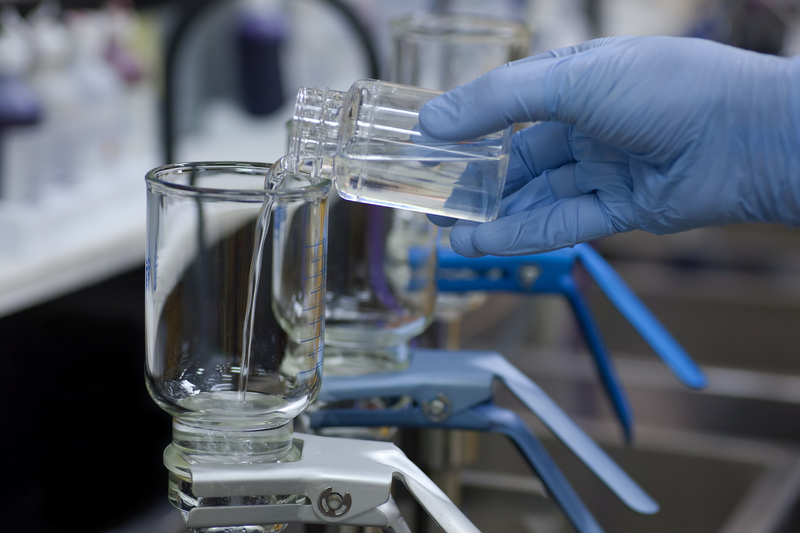
The science behind wastewater testing involves concentrating and analyzing genetic material that represents the combined contributions of many individuals in a sewer network. Because the data reflect entire populations served by a treatment plant, wastewater concentrations do not point to specific individuals or households, but they offer a real-time view of how pathogens are behaving across whole communities. This stands in contrast to clinical surveillance, which is dependent on individual testing behavior, access to healthcare, and reporting systems. Public health officials integrate wastewater data with clinical reports, hospitalization numbers, and other surveillance indicators to create a fuller picture of disease dynamics.
The early detection capabilities of wastewater testing have practical implications for public health actions. When concentrations of a virus or bacteria begin to rise in sewage, health departments might step up community outreach about preventive measures, increase clinical testing resources, or support hospitals in preparing for potential surges in patients. In some instances, wastewater trends have prompted local advisories about hygiene practices and vaccination campaigns, especially during peak seasons for respiratory and gastrointestinal diseases.
Wastewater surveillance also holds promise for identifying emerging or re-emerging threats. Researchers have explored the use of wastewater monitoring to detect novel pathogens or variants of concern before they are widely recognized through clinical systems. A study published in The Lancet Microbe described how wastewater surveillance for pathogens with pandemic potential can provide scalable, cost-effective detection and characterization of viral activity, allowing for faster public health responses.

Despite its advantages, scientists emphasize that wastewater surveillance should complement, not replace, traditional public health tools. Wastewater concentrations do not reveal who is infected or the severity of illness, and interpreting these data requires careful consideration of factors such as population size, sample collection methods, and environmental influences. Still, when combined with clinical testing and other epidemiological data, wastewater surveillance offers a powerful window into community health trends that might otherwise remain hidden.
For communities that experience disparities in healthcare access and disease burden, wastewater monitoring can be particularly valuable. In areas where individuals face obstacles to clinical testing or treatment, traditional surveillance systems may undercount infections. Wastewater data can help fill that gap by revealing virus circulation even when clinical cases go unreported, enabling more equitable public health planning and resource allocation.
As public health agencies continue to refine and expand wastewater testing programs, officials advise that interpreting wastewater concentrations as part of a broader suite of surveillance tools will remain essential for tracking disease spread and protecting communities. By providing early and inclusive signals of viral activity, wastewater testing supports timely responses to infectious threats, strengthening public health preparedness and safeguarding population health.


