









- By Jessica Wilson
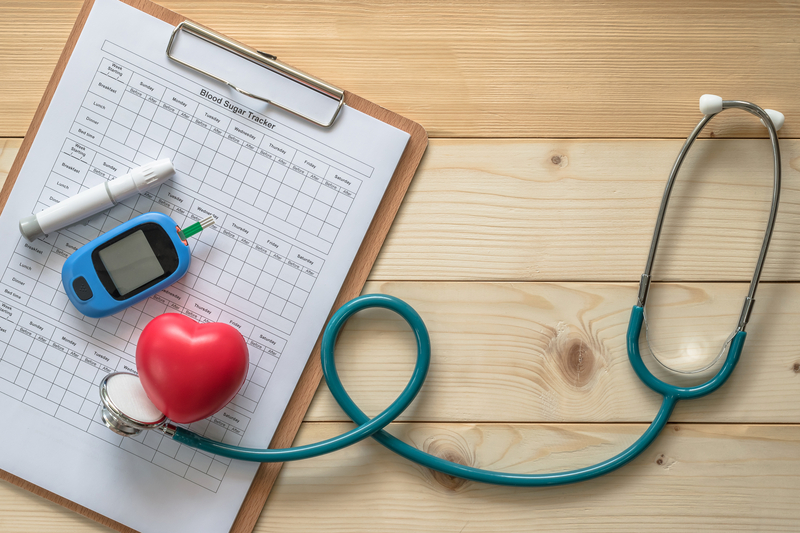
A one-day awareness campaign observed each March is drawing renewed attention to a persistent and growing public health challenge in the United States: millions of Americans are living with diabetes or at risk of developing it, many without knowing. American Diabetes Association leads American Diabetes Alert Day, held annually on the fourth Tuesday in March, as what federal health officials describe as a national “wake-up call” to encourage early screening and prevention.
This year’s observance comes as new and ongoing data underscore the scale of the issue. According to the National Institute of Diabetes and Digestive and Kidney Diseases, more than 38 million Americans have diabetes, while nearly 98 million adults have prediabetes, a condition that often precedes type 2 diabetes. Yet millions remain undiagnosed, highlighting gaps in awareness and access to care.
At the center of the campaign is a simple call to action: take a one-minute diabetes risk test. The tool, promoted widely by the American Diabetes Association, asks a series of basic questions about age, weight, family history, and lifestyle factors to estimate an individual’s likelihood of developing type 2 diabetes. Public health experts say such screenings are critical because early-stage diabetes and prediabetes often present no clear symptoms, allowing the disease to progress silently until complications emerge.

“Diabetes Alert Day is about helping people understand their risk before it becomes a diagnosis,” the American Diabetes Association notes in its public outreach materials. The organization emphasizes that early detection can lead to lifestyle changes or medical interventions that significantly reduce the likelihood of developing type 2 diabetes or experiencing severe complications.
The urgency of that message is particularly pronounced in communities of color, where diabetes continues to have a disproportionate impact. Federal data show that Black, Hispanic, and American Indian or Alaska Native populations experience significantly higher rates of diabetes compared to non-Hispanic white Americans. In some cases, these groups are up to 70 percent more likely to be diagnosed with the disease, according to the American Diabetes Association.
The Centers for Disease Control and Prevention attributes these disparities in part to social determinants of health, including access to nutritious food, safe environments for physical activity, quality healthcare, and education. These structural factors, which shape daily living conditions, account for as much as 50 to 60 percent of health outcomes, the agency reports.

Public health researchers have long pointed to the role of systemic inequities in driving both higher rates of diabetes and worse outcomes in marginalized populations. Black Americans, for example, are more likely to be diagnosed with diabetes and to experience complications such as kidney failure or amputations. Similarly, Native communities face some of the highest prevalence rates in the country, while Hispanic populations are more likely to have undiagnosed diabetes due to barriers in access to screening and culturally competent care.
Health experts say these disparities make prevention efforts like Diabetes Alert Day especially critical. By encouraging people to take a simple risk test, advocates hope to reach individuals who may not regularly interact with the healthcare system or who face barriers to routine screenings. Early awareness, they say, can lead to small but meaningful changes, such as improved diet, increased physical activity, or consultation with a healthcare provider.
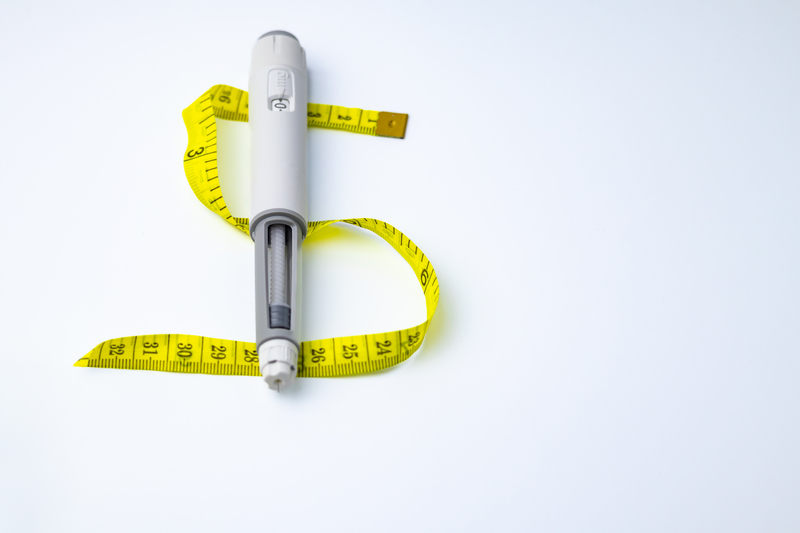
The economic and human costs of inaction are substantial. Diabetes is a leading cause of heart disease, stroke, kidney failure, and vision loss, and it remains one of the top causes of death in the United States. Beyond the personal toll, the disease carries an estimated annual cost of more than $400 billion in medical expenses and lost productivity.
As American Diabetes Alert Day approaches, health organizations and community groups are intensifying outreach efforts, particularly in underserved areas. Campaigns often focus on culturally relevant education, community-based screenings, and partnerships with local organizations to ensure that prevention messages reach those most at risk.
The message, experts say, is both simple and urgent: understanding risk is the first step toward prevention. For millions of Americans—especially those in communities disproportionately affected by the disease—taking a minute to complete a risk test could be the difference between early intervention and a life-altering diagnosis.
Stay Informed. Stay Empowered.
Trending Topics

Features
- Drive Toolkit
Download and distribute powerful vaccination QI resources for your community.
- Health Champions
Sign up now to support health equity and sustainable health outcomes in your community.
- Cancer Early Detection
MCED tests use a simple blood draw to screen for many kinds of cancer at once.
- PR
FYHN is a bridge connecting health information providers to BIPOC communities in a trusted environment.
- Medicare
Discover an honest look at our Medicare system.
- Alliance for Representative Clinical Trials
ARC was launched to create a network of community clinicians to diversify and bring clinical trials to communities of color and other communities that have been underrepresented.
- Reducing Patient Risk
The single most important purpose of our healthcare system is to reduce patient risk for an acute event.
- Jessica Wilson
- Victor Mejia
- Subash Kafle