












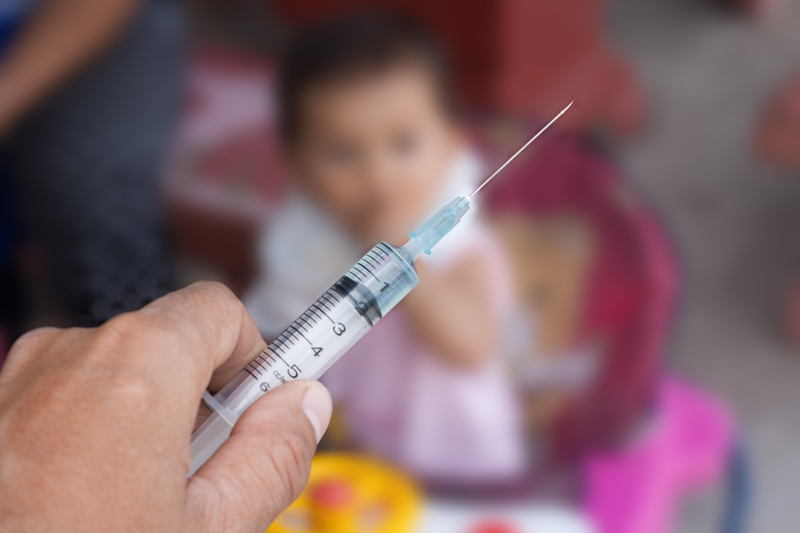
The new childhood vaccine changes affect how the federal government recommends some vaccines for children. They do not ban childhood vaccines or automatically change school vaccine rules. Families may see changes in when some vaccines are recommended or given. Parents should check with their child’s healthcare provider and state health department for guidance.Quick Answer: What do the new childhood vaccine changes mean for families?
New federal childhood vaccine changes are raising questions for parents and caregivers. Here is a simple look at what is changing, what is staying the same, and what it could mean for your family.
President Donald Trump has announced changes to the way the federal government recommends vaccines for children. The changes are part of a larger effort by the Trump administration to change the U.S. childhood vaccine schedule.
For parents and caregivers, the news may bring a lot of questions. Does this mean some vaccines are going away? Will children need more doctor visits? Will school vaccine rules change? And will insurance still pay for vaccines?
Here is what families should know.
What Are the New Childhood Vaccine Changes?
The new policy changes how the federal government recommends some vaccines for children. One part of the new approach calls for vaccines to be given during separate medical visits when possible.
Today, a child may receive several recommended vaccines during one checkup. Under the new approach, some of those shots could be spread across more than one visit. The Trump administration says this approach can give parents more choice about when their children receive vaccines.
For some families, however, spreading vaccines across different appointments could mean more trips to the doctor’s office. That could become important for parents who need to take time off work, arrange transportation or find childcare.
What Is Changing With the MMR Vaccine?
One important part of the new policy involves the MMR vaccine. MMR stands for measles, mumps and rubella. Today, children can get protection against all three diseases with one combined vaccine.
President Trump has called for separate measles, mumps and rubella vaccines to become available. Separate versions of these three vaccines are not currently available for routine use in the United States, so the administration has directed federal health officials to develop a plan for making them available.
This does not mean the MMR vaccine has been banned. Families should talk with their child’s healthcare provider before making any changes to a vaccination plan.
Why Is the Government Making These Vaccine Changes?
The Trump administration says it wants to give parents more choice and bring U.S. vaccine recommendations closer to those used in some other developed countries. Countries such as Denmark, Germany and Japan have different childhood vaccine schedules than the United States.
However, that does not mean these countries use the exact policy now being pursued in the United States. Each country makes vaccine recommendations based on factors such as its healthcare system, population and the diseases that are common there.
For example, one country may recommend a certain vaccine for every child. Another may recommend that vaccine only for children who have a higher risk of getting sick. Different recommendations do not necessarily mean that one country believes a vaccine is safe while another believes it is unsafe.
What Do Doctors and Health Experts Say?
Many doctors and public health groups have raised concerns about parts of the new approach. One concern is that spreading vaccines across several appointments could make it harder for some families to complete the recommended vaccination schedule.
Imagine a parent who can take only one afternoon off work for a child’s checkup. Getting several needed vaccines during that visit may be easier than returning to the doctor’s office two or three more times. Transportation, childcare and the cost of additional visits can also create challenges.
Health experts worry that these barriers could cause some children to receive vaccines later or miss them completely. There is also a large body of scientific evidence supporting the safety and effectiveness of routinely recommended childhood vaccines, including the combined MMR vaccine.
Do the Childhood Vaccine Changes Affect School Rules?
Not automatically. The federal government makes national vaccine recommendations, but states generally decide which vaccines children need to attend school or childcare.
That means the rules can be different depending on where you live. A change to a federal vaccine recommendation does not automatically remove that vaccine from your state’s school requirements.
Before assuming your child’s school requirements have changed, check with your school, state or local health department, or healthcare provider.
Stay Informed. Stay Empowered.
Can My Child Still Get Vaccinated?
Yes. The new policy does not mean childhood vaccines have been banned. Many vaccines will continue to be available to families.
However, there are still questions about how changes in federal recommendations could affect insurance coverage and programs that help families pay for vaccines.
One important program is the Vaccines for Children Program, also known as VFC. This federal program provides vaccines at no cost to eligible children, including some children who are uninsured, underinsured or covered by Medicaid.
As federal recommendations change, families should watch for updates about which vaccines are covered and how they can get them. If cost is a concern, ask your child’s healthcare provider about VFC or other programs that may be able to help.
Why Childhood Vaccine Changes Could Affect Some Communities More
For some families, making another doctor’s appointment may not be difficult. For others, one extra appointment can mean missing work, finding transportation, paying for a ride or arranging childcare for other children.
These challenges can be even greater in communities that already have fewer doctors, pharmacies and healthcare services. A family in an area with limited healthcare options may have to travel much farther for every additional appointment.
That is why it is important to look at more than which vaccines are recommended. We also need to pay attention to whether families can easily access those vaccines.
What About Measles?
Measles is one reason families may be hearing more about vaccines right now. Measles is highly contagious, which means it can spread quickly from one person to another.
Vaccination is an important way to prevent measles and reduce its spread. Families who are not sure whether their children have received the recommended measles vaccine can check their vaccination records or ask a healthcare provider.
This is especially important when there are measles cases in your community. Your local or state health department can provide information about outbreaks and recommendations in your area.
What Should Parents and Caregivers Do Now?
Families do not need to make rushed healthcare decisions because of a headline or something they see on social media. Federal policies can also take time to put into place, and different parts of the healthcare system may respond in different ways.
Start by checking your child’s vaccination records. Ask your healthcare provider whether any recommendations have changed for your child and check your state’s current school vaccination requirements.
If you have questions about cost, contact your insurance company or ask your healthcare provider about the Vaccines for Children Program. Most importantly, get vaccine information from trusted medical and public health sources rather than relying only on posts shared online.
Every child is different. A healthcare professional who knows your child’s health history can help you understand which vaccines are recommended and when your child should receive them.
Childhood Vaccine Changes: The Bottom Line
Federal childhood vaccine policy is changing, but that does not mean every vaccine, school rule or insurance policy changes at the same time. There is an important difference between a federal recommendation, a state requirement and a decision that a family makes with a healthcare provider.
The Trump administration says the new approach will give parents more choice and bring U.S. recommendations closer to those used in some other developed countries. At the same time, some doctors and public health experts have raised concerns that spreading vaccines across more visits could make it harder for some families to keep their children up to date.
For families, the most important question is simple: What do these changes mean for my child and our ability to get the care we need?
FYH.News will continue to follow the childhood vaccine changes and explain what they mean for our communities as new information becomes available.
This article is for educational purposes only and is not medical advice. Talk with a qualified healthcare professional about vaccine decisions for you or your child.
Trending Topics
Features
- Drive Toolkit
Download and distribute powerful vaccination QI resources for your community.
- Health Champions
Sign up now to support health equity and sustainable health outcomes in your community.
- Cancer Early Detection
MCED tests use a simple blood draw to screen for many kinds of cancer at once.
- PR
FYHN is a bridge connecting health information providers to BIPOC communities in a trusted environment.
- Medicare
Discover an honest look at our Medicare system.
- Alliance for Representative Clinical Trials
ARC was launched to create a network of community clinicians to diversify and bring clinical trials to communities of color and other communities that have been underrepresented.
- Reducing Patient Risk
The single most important purpose of our healthcare system is to reduce patient risk for an acute event.
- Jessica Wilson
- Subash Kafle