












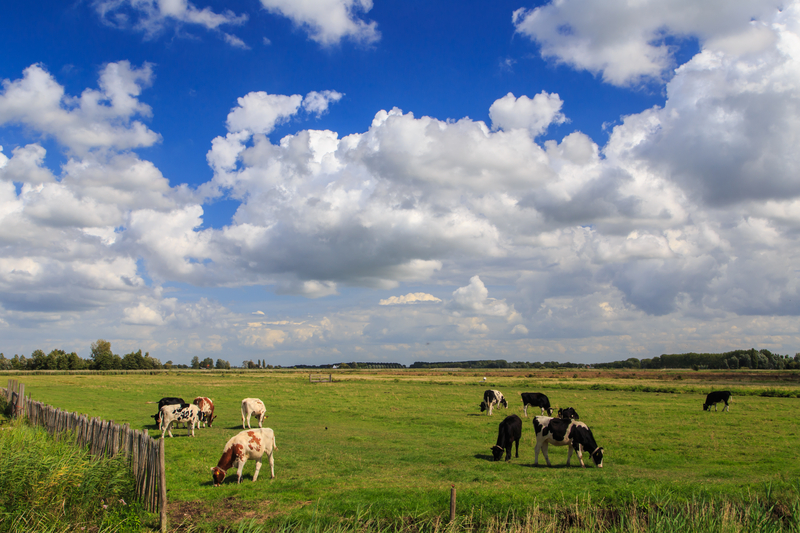
A new virus is spreading through cattle herds in Europe, known as the Shamonda Virus. Discovered in Germany’s Friedrich Loeffler Institute, scientists found it present in cattle in southern Germany, France, and Switzerland as of recently in August 2026. Health officials say people are not at risk, however, farmers, farmworkers and families who depend on affordable milk and beef may still feel the effects of this newfound discovery. Since its advent, parts of Austria, Spain, and Great Britain have found the virus present in their livestock as well. The Czech Republic has started preventive testing in response to the virus appearing in neighboring countries across the continent.
Cows with the virus often run a fever, putting pregnant cows at a greater risk with miscarriages and serious birth defects in their calves. Farmers have also reported diarrhea and a drop in milk production. Although labelled as a cattle virus, it is not just limited to cattle and has been found in horses, sheep, and goats. It’s found to spread through biting midges (tiny insects), where they will drink animal blood and cross contaminate between all these animals. In September, the institute confirmed a second, very different version in Germany. Scientists now call them Shamonda Virus “Europe 1” and “Europe 2”. The institute also warned that the viruses may swap genetic parts with a related virus already in Germany.
The news is mostly reassuring for those worried about contagion in people. The German institute says viruses in this family are generally not considered a significant infection risk for humans. Spain’s agriculture ministry also says there is no evidence the virus passes from animals to people. No vaccine exists yet, and neither any immediate treatment can clear the disease from an animal.
Farmworkers are of utmost consideration in this case. Many dairy workers in the United States are immigrants and workers of color. If the virus ever reached American herds, lost production time could cut hours and pay. Experts often point to this kind of ripple effect in animal disease outbreaks, especially in the United States. Families in low-income neighborhoods spend a larger share of their money on groceries following the loss of production and scarcity of product.
For now, Shamonda Virus is an animal health story, not a human health crisis, where officials are urging calmness among people, but watchfulness around farm owners. However, this is a reminder that outbreaks on the farm can reach the dinner table. The people with the least cushion often feel them first. Researchers are still tracking how far the virus will spread and how much projected damage it will cause.
Trending Topics
Features
- Drive Toolkit
Download and distribute powerful vaccination QI resources for your community.
- Health Champions
Sign up now to support health equity and sustainable health outcomes in your community.
- Cancer Early Detection
MCED tests use a simple blood draw to screen for many kinds of cancer at once.
- PR
FYHN is a bridge connecting health information providers to BIPOC communities in a trusted environment.
- Medicare
Discover an honest look at our Medicare system.
- Alliance for Representative Clinical Trials
ARC was launched to create a network of community clinicians to diversify and bring clinical trials to communities of color and other communities that have been underrepresented.
- Reducing Patient Risk
The single most important purpose of our healthcare system is to reduce patient risk for an acute event.
- Jessica Wilson