




Every minute counts when a stroke occurs, and recognizing the warning signs can mean the difference between recovery, lasting disability and death. Observed annually on October 29, World Stroke Day raises awareness of stroke prevention, emergency response and the need to improve access to timely care. This year’s global campaign emphasizes the importance of acting quickly, with the World Stroke Organization urging communities to recognize symptoms and seek emergency medical attention without delay.
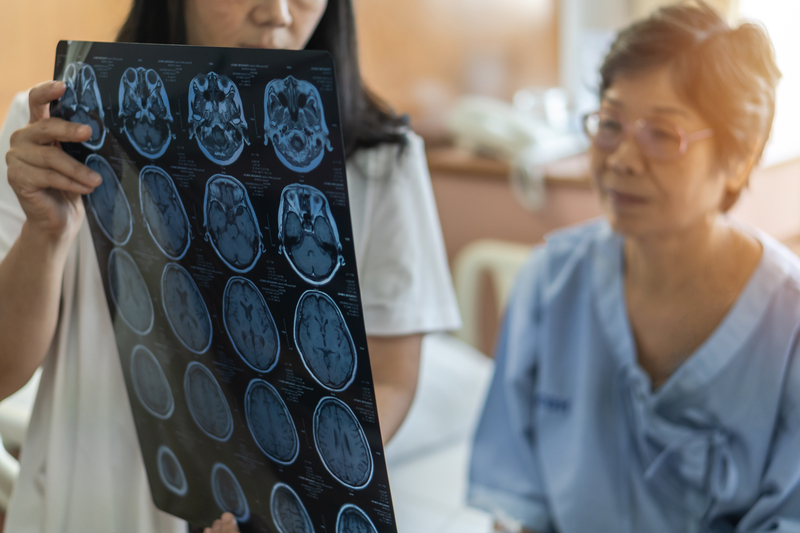
Stroke remains a major public health concern in the United States, affecting people across age groups and communities. According to the Centers for Disease Control and Prevention (CDC), more than 795,000 people in the United States experience a stroke each year. The agency also reports that someone in the country has a stroke approximately every 40 seconds. Although stroke risk increases with age, it can happen to younger adults as well, making awareness and prevention important throughout life. A stroke occurs when blood flow to the brain is blocked or a blood vessel in the brain ruptures. Without adequate oxygen, brain cells can begin to die, potentially affecting movement, speech, memory and other cognitive functions. Some survivors experience long-term disabilities or require ongoing support with daily activities. The effects can also extend to family members and caregivers who help manage recovery and changes in a loved one’s health.
The American Stroke Association encourages the public to learn the B.E. F.A.S.T. warning signs: sudden loss of balance, changes in eyesight, facial drooping, arm weakness and speech difficulty. Anyone experiencing these symptoms, or noticing them in another person, should call 911 immediately. Symptoms that disappear after a short time still require urgent medical attention because they may signal a transient ischemic attack, sometimes called a mini-stroke, which can precede a more serious event. “Time lost is brain lost,” the American Stroke Association emphasizes in its public stroke-awareness messaging. Rapid treatment can improve the chances of survival and recovery, making it essential for families and communities to recognize symptoms rather than wait for them to pass.
Stroke Prevention and Racial Health Disparities
Preventing stroke also requires addressing the conditions that increase cardiovascular risk. High blood pressure, high cholesterol, diabetes, smoking and physical inactivity can contribute to stroke risk. Managing these factors through regular medical visits, appropriate treatment and sustainable lifestyle changes can help reduce risk, although not every stroke can be prevented.
These risks are not distributed equally across the population. The CDC reports that non-Hispanic Black adults face nearly twice the risk of experiencing a first stroke compared with non-Hispanic White adults. Black adults and Pacific Islander adults also experience some of the highest stroke death rates in the country. These disparities underscore the importance of prevention efforts that address both individual health needs and broader barriers to care. Access to routine screenings, affordable medications, trusted health information and consistent primary care can influence whether people recognize cardiovascular risks and receive treatment. Social and economic conditions, including access to nutritious foods, safe places to exercise and reliable health services, can further shape health outcomes. Improving stroke prevention therefore requires more than raising awareness; it also requires making preventive care accessible and understandable to the communities most affected.
The National Minority Quality Forum (NMQF) addresses related challenges through its “There’s Levels to This” campaign, which promotes understanding of hyperlipidemia, or high cholesterol, and its role in cardiovascular health. The initiative helps people understand cholesterol numbers, recognize risk factors, discuss treatment options with healthcare providers and navigate the practical challenges of managing their health. Because high cholesterol is a modifiable stroke risk factor, clearer information about lipid levels and appropriate treatment can support broader efforts to prevent cardiovascular disease. The campaign also recognizes that medical terminology, treatment decisions, insurance coverage and long-term medication management can be difficult to navigate. By providing accessible, culturally relevant educational resources, NMQF aims to help patients participate more confidently in decisions about their cardiovascular health. Learning about cholesterol and blood pressure before a medical emergency occurs can be an important part of prevention.
Stroke awareness also connects to conversations about memory, thinking and cognitive health. NMQF’s Talk About Alzheimer’s campaign works to reduce stigma surrounding Alzheimer’s disease and dementia through culturally relevant education, storytelling and caregiver engagement. Its resources encourage families to recognize changes in memory and thinking, start conversations with loved ones and seek guidance from healthcare professionals.
Stroke and Alzheimer’s disease are different conditions, but both can affect cognition and create significant challenges for individuals and their families. A stroke can cause sudden changes in speech, memory, attention or other cognitive abilities. Vascular contributions to cognitive impairment can also develop over time when conditions affecting blood vessels damage the brain. Recognizing changes early and discussing them with a healthcare professional can help families understand possible causes and identify appropriate care and support.
World Stroke Day serves as a reminder that brain health, cardiovascular health and health equity are closely connected. Knowing the warning signs, managing risk factors and seeking timely care are important steps, but people also need the information and resources to act on that knowledge. Through initiatives such as There’s Levels to This and Talk About Alzheimer’s, NMQF supports conversations that connect prevention, early recognition and patient education. As communities mark October 29, sharing accurate information and encouraging timely medical attention can help more people protect their health and ensure that preventable barriers do not stand in the way of better outcomes.
Stay Informed. Stay Empowered.
Trending Topics

Features
- Drive Toolkit
Download and distribute powerful vaccination QI resources for your community.
- Health Champions
Sign up now to support health equity and sustainable health outcomes in your community.
- Cancer Early Detection
MCED tests use a simple blood draw to screen for many kinds of cancer at once.
- PR
FYHN is a bridge connecting health information providers to BIPOC communities in a trusted environment.
- Medicare
Discover an honest look at our Medicare system.
- Alliance for Representative Clinical Trials
ARC was launched to create a network of community clinicians to diversify and bring clinical trials to communities of color and other communities that have been underrepresented.
- Reducing Patient Risk
The single most important purpose of our healthcare system is to reduce patient risk for an acute event.
- Jessica Wilson
- Subash Kafle
- Jessica Wilson