












- By Jessica Wilson
November’s American Diabetes Month brings renewed attention to a disease affecting millions of Americans, while highlighting a complication that can develop quietly over time: chronic kidney disease. For people living with diabetes, protecting kidney health is an important part of managing the condition, yet many people may not recognize their risk until significant damage has occurred. The connection is particularly important for communities of color, which experience disproportionate rates of diabetes-related complications and face persistent barriers to preventive care.
According to the Centers for Disease Control and Prevention (CDC), approximately 40.1 million people in the United States were living with diagnosed or undiagnosed diabetes in 2023, representing about 12% of the population. The CDC’s September 2026 National Diabetes Statistics Report also estimates that 115.2 million American adults have prediabetes, underscoring the scale of the country’s diabetes burden. Diabetes affects how the body regulates blood glucose, or blood sugar. When blood glucose levels remain elevated over time, they can damage blood vessels throughout the body, including the small blood vessels in the kidneys. These vessels play an essential role in filtering waste and excess fluid from the blood. As damage progresses, the kidneys may lose their ability to function properly, increasing the risk of chronic kidney disease (CKD) and, in advanced cases, kidney failure.
The National Institute of Diabetes and Digestive and Kidney Diseases (NIDDK) identifies diabetes as the leading cause of kidney disease. Approximately one in three adults with diabetes also has kidney disease. The agency notes that African American, Native American, and Hispanic or Latino populations experience higher rates of diabetes, kidney disease, and kidney failure than White populations. These disparities reflect a broader set of challenges that can influence health outcomes, including unequal access to preventive services, financial barriers, limited access to consistent health care, and differences in the availability of culturally responsive health information. When patients cannot access regular screenings, affordable treatment, or timely specialist care, opportunities to identify complications early may be missed.
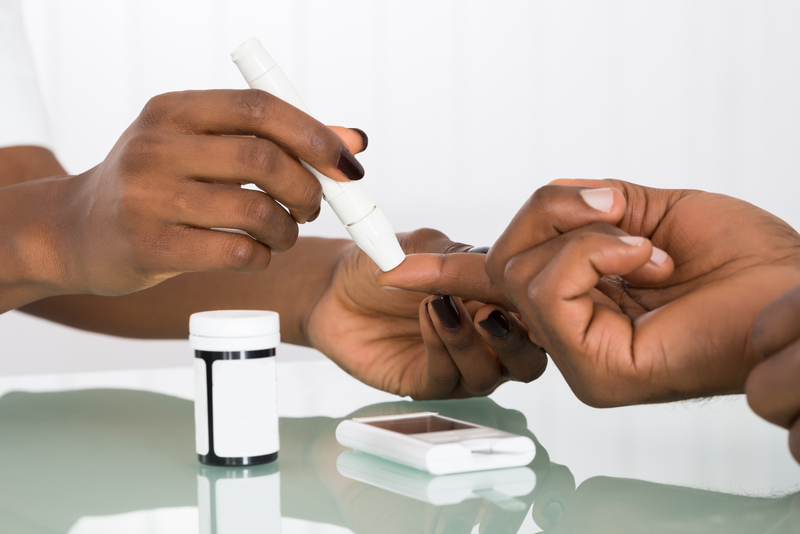
One challenge with diabetic kidney disease is that it often develops without noticeable symptoms during its early stages. A person may feel healthy while kidney function is declining. According to NIDDK, testing is the only reliable way to determine whether kidney damage is present. For people living with diabetes, kidney health monitoring should be part of routine care. Health care professionals commonly use two tests to evaluate kidney function: an estimated glomerular filtration rate (eGFR), calculated through a blood test, and a urine albumin-to-creatinine ratio (UACR), which measures whether a protein called albumin is leaking into the urine. The American Diabetes Association’s 2026 Standards of Care recommend assessing both measures at least annually for people with type 2 diabetes and for those with type 1 diabetes who have had the condition for five years or longer.
These screenings can help identify kidney problems before symptoms develop and give patients and providers more opportunities to discuss treatment and strategies to slow disease progression. Managing blood glucose and blood pressure, following an appropriate treatment plan, and maintaining regular communication with health care providers can also help reduce the risk of complications.
However, knowing which questions to ask and feeling comfortable raising concerns are not always easy. Patients may leave appointments without fully understanding their test results, treatment options, or the relationship between diabetes and kidney health. This is where patient education and community support become especially important.
The National Minority Quality Forum’s Kidney Access Network (KAN) campaign works to encourage kidney health awareness, patient engagement, and stronger connections among individuals navigating kidney disease and their caregivers. Through its community-centered approach, KAN emphasizes that patients deserve to have their questions heard and addressed throughout their health care experiences. The campaign’s message, “Your questions deserve attention. I KAN. Together, We KAN,” reinforces the importance of speaking up, seeking information, and building supportive communities. Its Facebook community offers a space for individuals and caregivers to connect with others who understand the challenges of kidney health and share experiences.
For people living with diabetes, that encouragement can help turn awareness into meaningful conversations with health care professionals. Asking whether kidney function has been evaluated, understanding what eGFR and urine albumin results mean, and discussing how often screenings are needed can help patients become more active participants in their care. Caregivers also play an important role by supporting loved ones, helping prepare questions, and navigating appointments and treatment decisions. American Diabetes Month provides an opportunity to look beyond blood sugar management and recognize the broader health effects of diabetes. Kidney health should remain part of that conversation, particularly for communities that continue to experience unequal burdens of chronic disease. Through education, early screening, accessible care, and community support, patients can be better equipped to recognize risks and advocate for their health.
As November brings attention to diabetes prevention and management, the connection between diabetes and kidney disease underscores the importance of asking questions before complications go unnoticed. NMQF’s Kidney Access Network encourages individuals and families to make those conversations part of their health journey, reinforcing that better kidney health begins with awareness, access, and the confidence to speak up.
Stay Informed. Stay Empowered.
Trending Topics

Features
- Drive Toolkit
Download and distribute powerful vaccination QI resources for your community.
- Health Champions
Sign up now to support health equity and sustainable health outcomes in your community.
- Cancer Early Detection
MCED tests use a simple blood draw to screen for many kinds of cancer at once.
- PR
FYHN is a bridge connecting health information providers to BIPOC communities in a trusted environment.
- Medicare
Discover an honest look at our Medicare system.
- Alliance for Representative Clinical Trials
ARC was launched to create a network of community clinicians to diversify and bring clinical trials to communities of color and other communities that have been underrepresented.
- Reducing Patient Risk
The single most important purpose of our healthcare system is to reduce patient risk for an acute event.
- Jessica Wilson
- Subash Kafle
- Jessica Wilson