









[ad_1]
Growing up, Uché Blackstock and her twin sister, Oni, watched their mother lead an organization of Black female physicians. Inspired by their mother’s example, the sisters pursued careers in medicine and made history as the first Black daughters of a woman who graduated from Harvard Medical School to earn a degree at that institution. When their mother died of leukemia at the age of 47, they were determined to carry on her legacy.
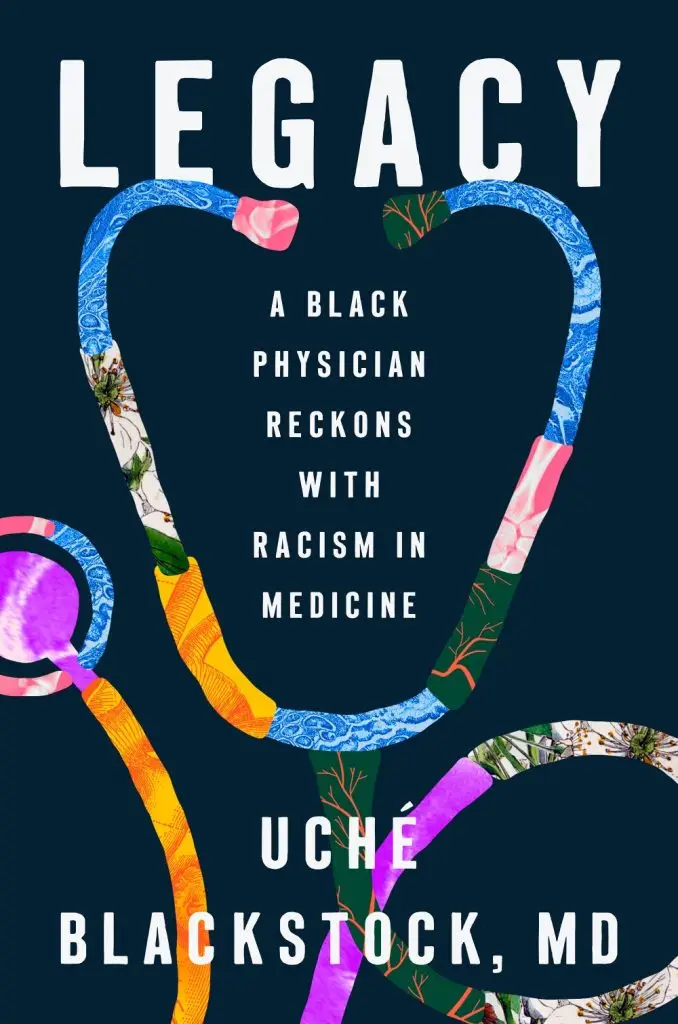
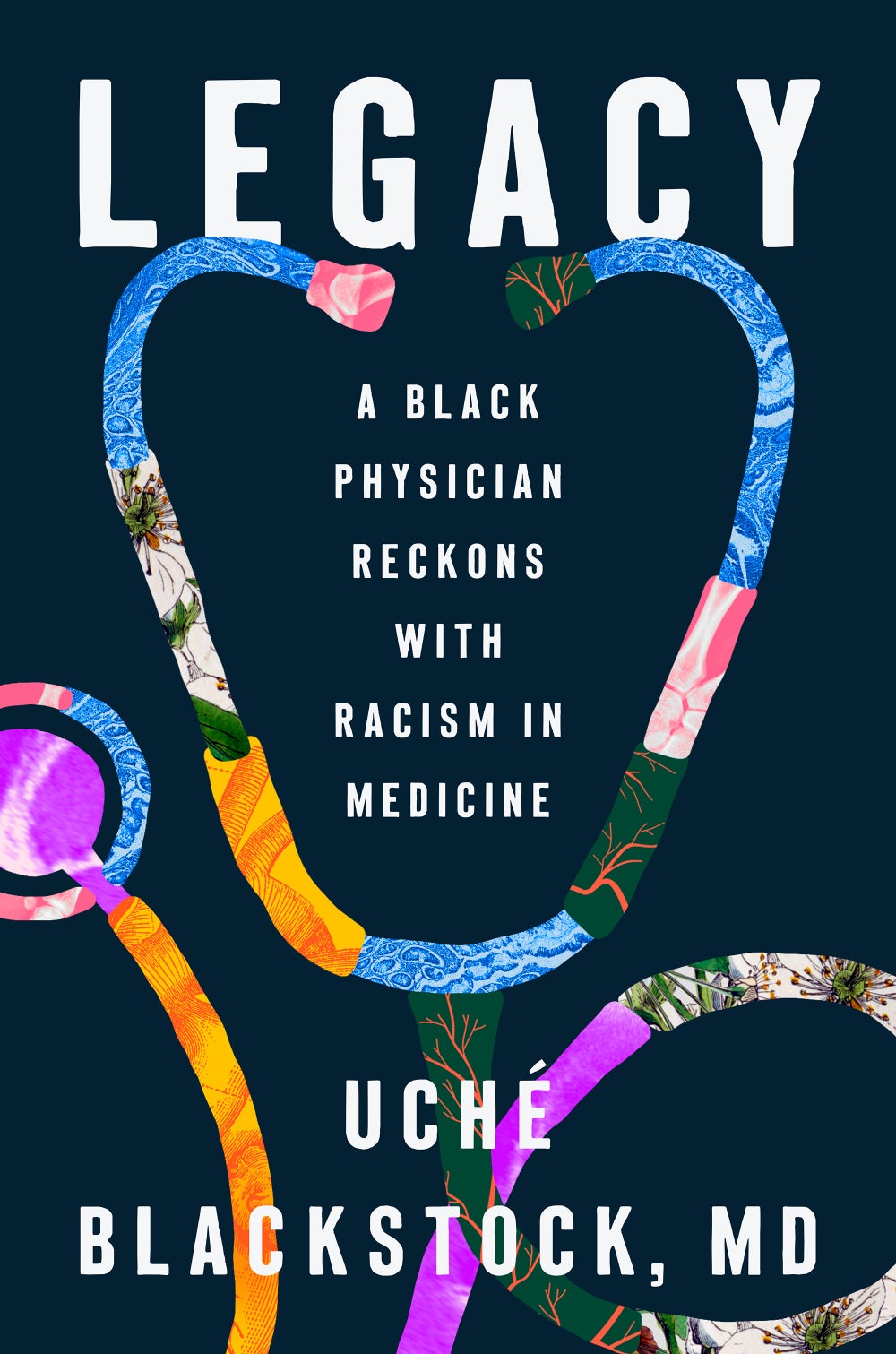
Uché Blackstock, who is founder and CEO of Advancing Health Equity, chronicles her journey in medicine and sheds light on pervasive inequities within the U.S. health care system in her forthcoming book Legacy: A Black Physician Reckons with Racism in Medicine, scheduled for release in January. The book, which is both a multigenerational family memoir and an unflinching critique of the American health care system, traces Blackstock’s growing awareness of the sprawling health disparities faced by Black Americans. Her battle for health equity found new urgency in the spring of 2020, when the COVID pandemic hit New York City. Amid the backdrop of the pandemic and the Black Lives Matter movement, Blackstock found renewed power as a health equity advocate. Now, even as the COVID federal public health emergency has ended, she says that there is still so much work to be done to tackle health inequity.
Scientific American spoke with Blackstock about her upcoming book, the impact of racial bias in health care settings and the actionable steps that health professionals and everyday people can take to promote health equity.
[An edited transcript of the interview follows.]
Why did you choose Legacy as the title of your book?
To me, Legacy has a double meaning. There is the legacy of my twin sister and me continuing the mission of our mother’s work. But there is also the legacy of deeply entrenched systemic racism in this country, which has led to Black people’s lives being harmed and even shortened. People often see racial health inequities today and say, “This is all based on individual habits,” as opposed to recognizing that what we are seeing is the culmination of centuries of systemic discrimination. My goal is to connect the dots for readers between this history and discrimination in health care settings.
In the book, you discuss several concrete instances of how racial bias manifests in health care, including racial disparities in maternal mortality and treatments for sickle cell disease. Can you walk us through one of those examples?
Sickle cell disease is a very poignant example. In the U.S., sickle cell disease is more prevalent among Black people, and there is a disturbing history of nonconsensual medical research conducted on Black people to study the condition. During my medical residency, I discovered how, as a disease, it has been racialized and is now considered a “Black disease,” even though it’s not a disease that only impacts Black people. That racialization is reflected in the lack of funding for research to understand and treat sickle cell disease.
In my own practice, I have witnessed people, specifically Black people, with sickle cell disease constantly visit the emergency department because there were no systems in place to make sure they were proactively receiving treatment and follow-up care. Patients were often mistreated or disrespected because some of my colleagues were quick to label them as drug seekers searching for pain medication.
In one section of the book, you discuss a specific patient who repeatedly came to the emergency room, but your supervisor instructed you to turn them away because they were probably an “addict.” That was a very memorable and also difficult part of the book for me to get through.
I know. And I can tell you that it wasn’t just that one patient. There were so many other patients that had similar experiences. Within health care settings, patients are often dehumanized. And I don’t think anyone goes into health care or medicine with the goal of mistreating anyone. But because of the environment that health professionals are trained and educated in, we often hold these beliefs and don’t recognize that we’re holding them. When we interact with our patients, we end up ignoring them, minimizing their concerns and, in the process, dehumanizing them. It’s unconscionable that any patient experiences that.
In 2020 we saw the convergence of two major events—the COVID pandemic and the resurgence of the Black Lives Matter movement after George Floyd’s death. How did those events shift people’s perception of racism and health disparities in the U.S.?
The moment I left academic medicine [in December 2019], I was on a mission to build my organization, Advancing Health Equity, and to close the gap on racial health inequities. And when the pandemic hit, I was initially shocked, like everyone else. But within a few weeks of working in urgent care, I noticed that all of the patients looked like me. And it just hit me: everything that you’re working for and toward at this moment is being magnified.
In that moment, the conversation around racial health inequities became even more nuanced. Instead of people ascribing these disparities to inherent differences in Black bodies or our biology, there was a conversation around housing, employment and access to transportation being a risk factor for being hospitalized or dying from COVID. For a long time, I felt that conversations about health equity in academia had been siloed. But in 2020 we began to have those conversations about systemic racism impacting the social determinants of health in the public world.
How can we turn those conversations into implementable interventions to address racism and health disparities?
Those conversations show us that interventions like improving patient protocols and integrating cultural competency into medical staff training are crucial components of the solution but not the sole ones. Reducing health disparities requires action outside of the hospital, too.
As an example, we should advocate for policies that strengthen workplace protections for essential workers or expand paid sick leave and family medical leave. These interventions actively contribute to reducing health disparities and generally reduce exposures to health risks long before people come to a hospital. There are opportunities for broad community involvement in these initiatives, too. These are policy interventions that people outside the health care sector can and should actively advocate for.
As a physician and now with your own organization, you’ve worked from inside and outside the health care system to advocate for greater equity. What other advice would you give people who have only been on the patient side of the health care system and hope to help advance health equity?
I would encourage them to reach out to groups like Be a Hero, which organizes everyday people to advocate for and implement policy solutions. Its founder, [the late] Ady Barkan, did local grassroots organizing around issues such as single-payer universal health care, which can improve health outcomes for all people. These kinds of organizations specifically target patients who have an interest in making a difference. I also think supporting health equity is about simply educating yourself on how we reached our current situation in the U.S., where we have some of the worst health outcomes of high-income countries. It’s about voting for people that advance policies promoting a healthy society.
In my book, I talk about my personal experiences as a Black physician—and, at times, as a patient—dealing with racism. It’s almost like living in two worlds: I know what it’s like to be a physician, but I also understand my patients’ distrust of the health care system. So my mission is to empower these patients and affirm their feelings while also making sure they know that there are health professionals and physicians out there that care deeply about them receiving the best care—the most dignified and respectful care that they deserve.
[ad_2]
Source link