












[ad_1]
Asian Americans are currently the fastest growing racial group in the United States, accounting for about six percent of the population. Right now, only 2.4 percent of cannabis businesses in the nation operate under Asian American leadership. Alongside other communities of color, Asian Americans are carving out a special place in the cannabis industry as innovators, community builders, and social equity champions.
The United States may be riddled with a bleak legacy of racial injustice, but it is home to an incredibly diverse community with roots around the world. The evolving cannabis industry is viewed by many as an opportunity to create an inclusive, accessible, and culturally responsive community. The cannabis community has the power to operate with deep intentionality to heal the societal damage caused by prohibition and reject trends of performative activism.
Every month, the nation celebrates specific communities that experience disproportionate adversity in our society. February is Black History Month, June is Pride Month, March is Women’s History Month, July is Disability Pride Month, and in May we celebrate Asian American and Pacific Islander Heritage Month. Companies and brands are wise to publicly acknowledge these celebrations, but targeted social equity work should not be siloed into singular months. Businesses with an authentic commitment to cannabis justice understand that social struggles are complex, intersectional, and require long-term strategic advocacy efforts.
The numerous communities affected disproportionately by prohibition deserve dedicated advocacy 365 days a year. Asian American leaders across all sectors of cannabis are setting an example for ethical practices in the industry by building a culture of cross-movement solidarity and taking on harmful stigmas through community-based education.
The global cannabis community
The medicinal, spiritual, and practical use of cannabis can be traced back thousands of years in ancient Asian societies. Recently on the Oki Islands of Japan, archeologists discovered pre-neolithic evidence from 8000 BCE exemplifying the use of cannabis as both fiber and a psychoactive spiritual aid. In China, the earliest pharmacopeia in existence references the therapeutic use of cannabis in medical practices. Until the 1930s, when western trends of prohibition reached Asia, cannabis was largely legal and frequently used in traditional medicine throughout the continent. The global criminalization of cannabis caused many Asian communities to lose generational knowledge about traditional therapeutic cannabis use, but Asia still plays an important role in the cannabis industry.
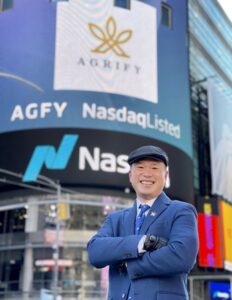
Raymond Nobu Chang, CEO and founder of Agrify, believes that we have a responsibility to rebuild generational knowledge through education and reconnect Asian communities to plant medicine traditions. “We can break down the barrier by talking about our history with plant medicine and highlight the important role Asia plays in the cannabis industry today,” said Chang. China currently produces over 50 percent of the world’s hemp and holds over 300 cannabis patents. Thailand is also emerging as a leader in cannabis. Chang believes the American cannabis industry should be looking to Thailand as a springboard for the globalization of the cannabis industry and encourages American businesses to seek collaborative opportunities with Asian nations exploring the role cannabis can play in their communities.

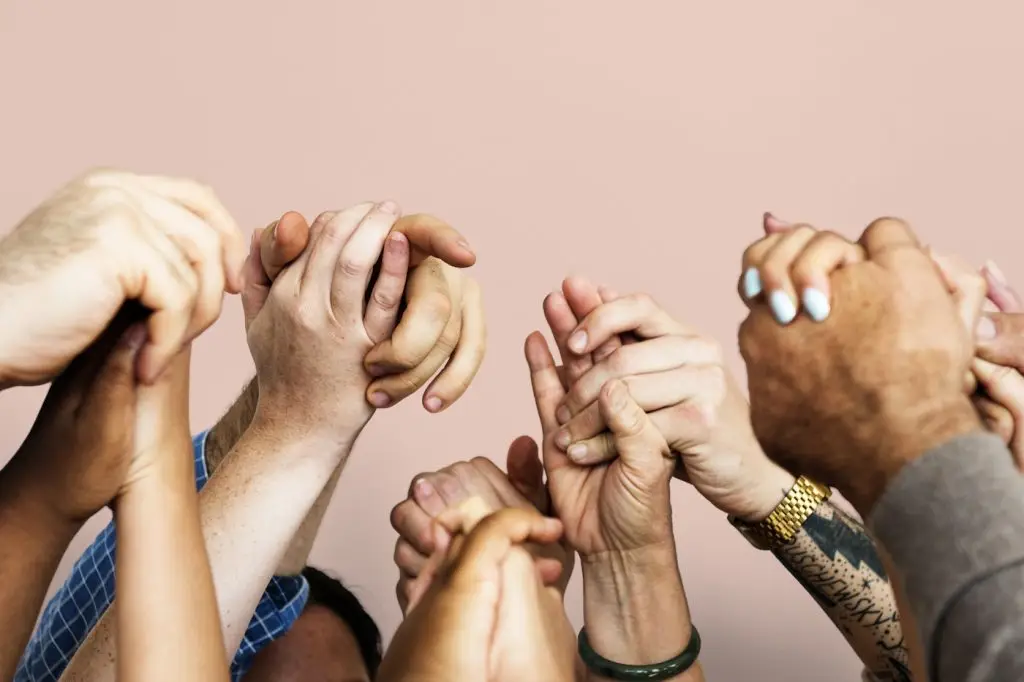
Ophelia Chong, founder of American Asians for Cannabis Education (AACE), has similar outlooks when it comes to the global cannabis community and the Asian diaspora. “We are not a monolith, but we are a connected community,” said Chong. She uses the cultural exchange of food as a metaphor for the power of Asian solidarity in cannabis. “When we go eat, we bring the whole family. We bring all our friends because we like to order more plates. More people means more flavors. That is the same way we approach cannabis is in the Asian community. We have big tables, where everyone can sit, enjoy all our cultures, and create this new industry together. I really think the metaphor of the table, sitting down, and eating is really what our community is about — because we’re all bringing something different,” said Chong.
A space for reclamation
The criminalization of cannabis has disproportionately affected communities of color for many years, and the new legal market offers opportunities to achieve justice. Before Ophelia Chong established AACE, she worked as a professional photographer and instructor at the Art Center College of Design. She was inspired to pursue work in the cannabis industry when a relative began using cannabis medicinally. After joking about her cousin being “a stoner,” she became curious about the representation of cannabis users in mainstream culture. After googling stock photos of cannabis, she was horrified by the racism portrayed in the images. The only images available featured Black men smoking cannabis, and the images were linked to keywords like “criminal” and “drug dealer.” In 2015, Chong worked with her students to launch StockPot, a collection of stock photos accurately representing cannabis use as a social practice. By 2019, Adobe and Getty had accepted cannabis as a valid and mainstream concept, so Chong turned her focus to a new form of justice work with AACE.
Raymond Chang was also inspired by a relative’s medicinal cannabis use and saw an opportunity to build a better future through innovation in the cannabis industry. When he founded Agrify in 2018, he was hesitant to publicize his involvement in cannabis. “I would just tell people I worked in indoor agriculture, but now I am very proud to share all aspects of my work with everyone,” said Chang. At Agrify, a vertically integrated cannabis technology company, they offer a turnkey solution designed to help social equity applicants stay competitive in the cannabis market, but Chang insists that it’s not enough. “We need more than just social equity licensing, we need comprehensive community education, and opportunities for young people to gain professional skills in cannabis,” he said.
The evolving cannabis market presents an opportunity for communities of color to reclaim space in plant medicine. The United States has discriminated against communities of color through a myriad of policies and practices. The Asian community endured the Chinese Exclusion Act, the Japanese Concentration Camps of WWII, and is presently enduring a rise in hate crimes.
Powerful and malevolent players in dominant culture have attempted to establish a false narrative about the Asian diaspora by placing blame on the Asian community for the onset of the global pandemic. These injustices are not identical to those endured by the Black community, who are more likely than any other racial group to be criminalized for cannabis. Each ethnic and racial community has faced unique forms of discrimination, yet they all share a common necessity: to build generational wealth and heal the damage caused by systemic racism.
Leaders looking to the future
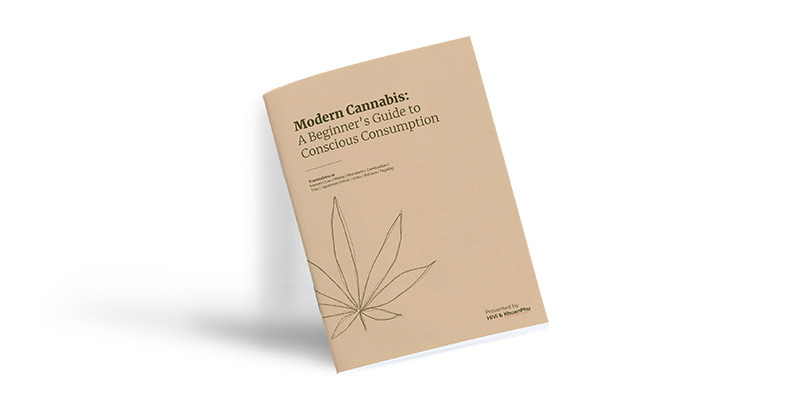
This year, High Vibration founder Eunice Kim and KhuenPhu founder Sysamone Phaphon brought their companies together to produce a cannabis guide in multiple languages. Modern Cannabis: A beginner’s guide to conscious cannabis consumption is a new book available in 12 Asian languages through the AAPI Cannabis Collective. The book is designed to accurately educate older generations and non-English speakers about cannabis. The ability to cross language barriers and share comprehensive information about cannabis could be pivotal for many people around the world.
“I think a lot of young Asian Americans would love to get involved with this industry, but they’re facing tremendous negativism from their own family, the older generations, and the community at large. Somehow we must find a way to educate everybody and remove this negative stigma,” said Raymond Chang. “I think that would encourage a lot more people to jump into cannabis. I have heard so many stories of people wanting to get involved with the industry, but the lack of support they receive from their family and friends prevents them from pursuing it. We must find a way to collectively realize the plant’s medicinal benefits. It is of the utmost importance.”
Ophelia Chong echoes Raymond Chang’s sentiments. She believes in the power of solidarity between different cultures and operates AACE under that philosophy. Chong welcomes all people of color into AACE’s community and believes in her community’s power to bring about local change, which she hopes will create ripple effects across the world. “You’re not only looking after your generation, you’re looking after the generation above you and ahead of you. We’re always looking at the past and future, not at ourselves. When Asian Americans get into cannabis, they think about the future and long-term. And that’s what we’re building — generational wealth. I love that,” she said.
Social justice provisions are foundational to cannabis, an industry built on the backs of people of color. Intersectional solidarity is a key component of an inclusive future for cannabis, and leaders like Ophelia Chong, Raymond Chang, Eunice Kim, and Sysamone Phaphon exemplify the vital role Asian Americans are playing in industry’s development.
[ad_2]
Source link