









Colon Cancer Screening Can Eliminate Racial Outcome Disparities

[ad_1]

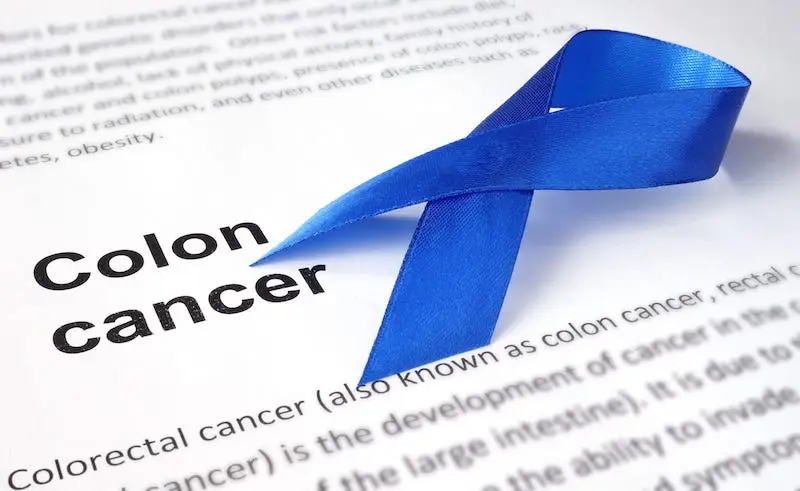
Colorectal cancer disparities between Black and white adults were eliminated among Kaiser Permanente members in Northern California after it instituted a structured colorectal cancer screening program, new research shows.

“Our study found that organized screening works to improve colorectal cancer outcomes for all of our members,” says the study’s senior author Theodore R. Levin, MD, a research scientist at the Kaiser Permanente Division of Research and a gastroenterologist with The Permanente Medical Group. “I knew our program had helped to reduce disparities, but I was surprised by the magnitude and the rate of improvement. It exceeded my expectations.”

Screening programs create an opportunity to find colorectal cancers when they are small and easier to treat. Screening can also prevent cancers from developing through the removal of precancerous polyps.

Disparities between Black and white adults in colorectal cancer screening, incidence, and death rates have been documented for more than 40 years.

The new study, published in the New England Journal of Medicine, looked at colorectal cancer screening participation, incidence, and death rates for Black and white Kaiser Permanente members in Northern California age 50 to 75 from 2000 through 2019. The 19-year time period spanned 6 years before and 11 years after the colorectal cancer screening program was rolled out in 2006 through 2008.

In 2009, the colorectal cancer death rate was 54.2 for Black members and 32.6 for white members. By 2019, death rates had fallen by more than half among Black members—decreasing to 20.9—compared to 19.3 for white members, essentially eliminating the previous disparity. Colorectal cancer incidence also markedly decreased with similar rates seen between Black and white members.

“It is inspiring that organized screening outreach markedly and rapidly increases screening rates for everyone,” says the study’s co-lead author Douglas A. Corley, MD, PhD, MPH, a research scientist at the Kaiser Permanente Division of Research and a gastroenterologist with The Permanente Medical Group. “This is a powerful message that organization is crucial for knowing when and how to engage members in screening and follow-up.”

The findings highlight the need for health care organizations to address the social and structural barriers that contribute to ongoing health disparities.

“Many people have sought to show that health equity is not just a pipe dream,” says the study’s co-lead author Chyke A. Doubeni, MBBS, MPH, who directs the Mayo Clinic Center for Health Equity and Community Engagement Research. “This study shows how a thoughtful, intentional, coordinated, and sustained approach to delivering care in an equitable manner can eliminate health disparities.”

The colorectal cancer screening program identifies who needs screening and offers a choice of screening tests. Program managers and electronic systems identify all eligible members who are not up to date and automated alerts remind health care providers to offer screening at clinic visits. For members who are not up to date with screening, a fecal immunochemical test (FIT) is mailed annually. These tests are completed at home and returned by mail. Patients can request a colonoscopy, rather than use a FIT kit.

After starting organized screening outreach, the proportions of people up to date with screening rapidly increased, from about 40% among both Black and white Kaiser Permanente members in Northern California in 2009 to 80% among Black members and 83% among white members by 2019.

“Screening doesn’t stop with the delivery of the mailed fecal immunochemical test,” says Levin. “Ensuring people complete the screening and ensuring those who are positive complete a colonoscopy and, if needed, cancer treatment are all important parts of our program. We are also intentional to make sure our screening materials are culturally competent and address issues important to marginalized communities. This includes addressing concerns about trust in the health care system as well as making the connection between screening and being present for your family.”

The research team is already discussing ways to perfect and expand the program.

“We are always looking to improve, to understand why a small proportion of people choose not to be screened, to identify those at highest risk for more intensive screening, and to increase efforts for culturally appropriate care,” says Corley. “Our findings suggest similar organized approaches can play a major role nationally and internationally in decreasing disparities for colorectal cancer and potentially for other diseases.”

The study was funded by the National Cancer Institute.

[ad_2]

Source link

Trending Topics

Features

Download and distribute powerful vaccination QI resources for your community.

Sign up now to support health equity and sustainable health outcomes in your community.

MCED tests use a simple blood draw to screen for many kinds of cancer at once.

FYHN is a bridge connecting health information providers to BIPOC communities in a trusted environment.

Discover an honest look at our Medicare system.

ARC was launched to create a network of community clinicians to diversify and bring clinical trials to communities of color and other communities that have been underrepresented.

The single most important purpose of our healthcare system is to reduce patient risk for an acute event.

Related Posts
Cyclospora Outbreak Linked to Recalled Lettuce Sickens More Than 1,600 Across Five States
How NMQF Advances Minority Health Through Data, Research and Health Access
Early Cancer Detection Is Entering a New Era. Flint Is Helping Lead the Way.
Scroll to Top
Featured Articles
Cyclospora Outbreak Linked to Lettuce Sickens 1,600+ fyh.news
Cyclospora Outbreak Linked to Recalled Lettuce Sickens More Than 1,600 Across...
How NMQF Advances Minority Health Through Data, Research and Health Access
Early Cancer Detection Is Entering a New Era. Flint Is Helping Lead the Way.
Why Your “Ozempic” May Not Be Ozempic: FDA Warnings Highlight Growing Risks of Unregulated GLP-1 Drugs
Why Your “Ozempic” May Not Be Ozempic: FDA Warnings Highlight Growing Risks o...
The Communities Most Burdened by Disease Should Be the First to Benefit from Artificial Intelligence
The Communities Most Burdened by Disease Should Be the First to Benefit from ...
Cancer Pain Care Access Gap Hits Black, Asian Patients
Black and Asian Cancer Patients Wait Longer for Pain Relief in New Study
Categories
AI
ATTR-CM
BIPOC News
Cancer
Clinical Trials
Covid19
Diseases of the Body
Environment
Health Data
Health Equity Events
Health Policy
Health Tips
Subscribe to our newsletter to receive our latest news​
All Stories
Cyclospora Outbreak Linked to Lettuce Sickens 1,600+ fyh.news
Cyclospora Outbreak Linked to Recalled Lettuce Sickens More Than 1,600 Across...
How NMQF Advances Minority Health Through Data, Research and Health Access
Early Cancer Detection Is Entering a New Era. Flint Is Helping Lead the Way.
BIPOC News
How NMQF Advances Minority Health Through Data, Research and Health Access
Early Cancer Detection Is Entering a New Era. Flint Is Helping Lead the Way.
The Communities Most Burdened by Disease Should Be the First to Benefit from Artificial Intelligence
The Communities Most Burdened by Disease Should Be the First to Benefit from ...
Environment
UV Safety Awareness Month Raises Urgency on Skin Cancer Prevention and Sun Protection Equity
UV Safety Awareness Month Raises Urgency on Skin Cancer Prevention and Sun Pr...
Extreme Heat Safety Tips 5 Ways to Protect Your Health This Summer fyh.news
5 Heat Safety Tips That Could Protect Your Health This Summer
Lupus Awareness Event in Baltimore Aims to Support Research and Shine a Light on Health Disparities
Lupus Awareness Event in Baltimore Aims to Support Research and Shine a Light...
Work Force
A multigenerational Black and Hispanic family sitting together in a park, showing how Social Security helps support older adults, people with disabilities, and families across generations.
Millions of Older Americans Could Face Smaller Social Security Checks by 2032...
dreamstime_s_243253251
The Caregiver Journey: The Hidden Backbone of American Healthcare
Families gather at a Bronx community festival with live music, kids’ activities, and health booths sharing SOMOS social care resources and free screenings.
Celebrating Hispanic heritage while learning about health care

[xyz-ips snippet=”Output-Source-Name”]

Clinical Trials
Early Cancer Detection Is Entering a New Era. Flint Is Helping Lead the Way.
Why Your “Ozempic” May Not Be Ozempic: FDA Warnings Highlight Growing Risks of Unregulated GLP-1 Drugs
Why Your “Ozempic” May Not Be Ozempic: FDA Warnings Highlight Growing Risks o...
Clinical Trial Diversity Remains a Critical Challenge in Alzheimer’s Research
Vaccines and Outbreaks
Cyclospora Outbreak Linked to Lettuce Sickens 1,600+ fyh.news
Cyclospora Outbreak Linked to Recalled Lettuce Sickens More Than 1,600 Across...
A parent checking a child's temperature during summer, illustrating the changing RSV patterns and year-round respiratory virus risks.
Can You Get RSV During the Summer?
Michelle Lam, MBA, of NYC Health + Hospitals/Elmhurst & Amy Harris of NYC Health + Hospitals/Elmhurst
Healthcare Leaders Spotlight Vaccine Equity and Adult Immunization Strategies...
Other Categories
AI
Read the latest AI News stories trending around the world
ATTR-CM
Cancer
Read the latest Cancer stories trending around the world
Covid19
Diseases of the Body
Read about the latest Diseases of the Body trending around the world
Friday Webinars
Every Friday, we bring you insightful webinars covering critical topics in healthcare, data equity, and policy reform.
Health Data
Read the latest Health Data stories trending around the world
Health Equity Events
Read the best Health Equity Events around the country.
Health Policy
Read the latest Health Policy stories trending around the world
Health Tips
Heart Health
Read the latest on Heart Health News, Stories and Tips.
kidney Health
Read more trending News about Kidney Health, Stories and Tips.