












Concerns Remain As COVID-19 Pandemic Weighs On Hispanic People In US

[ad_1]

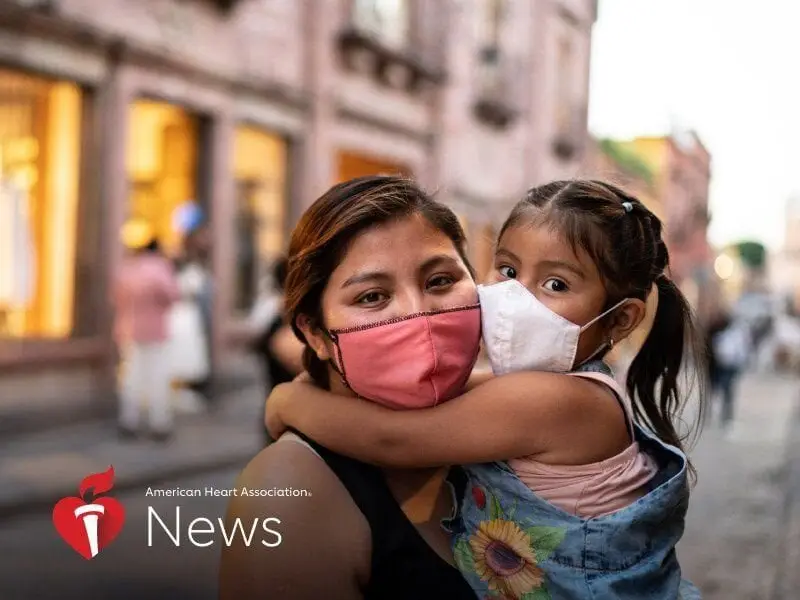
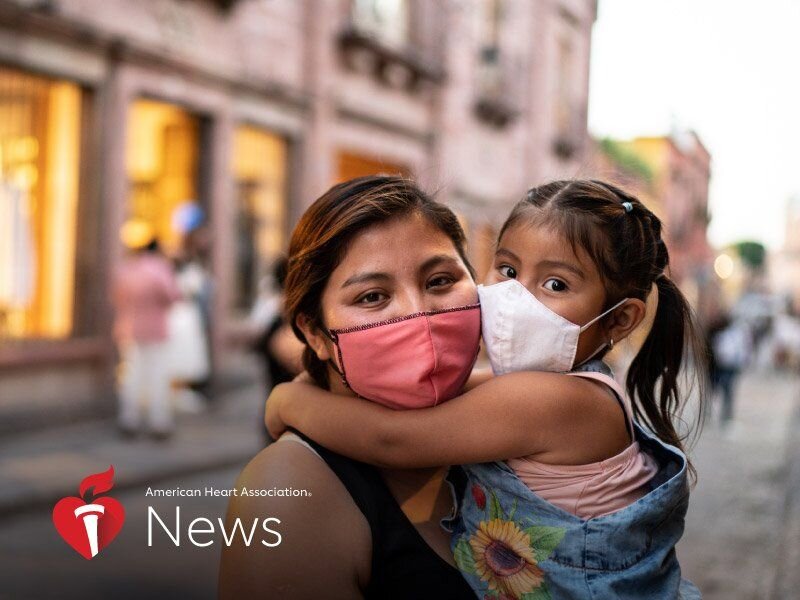
Early in the COVID-19 pandemic, the U.S. Hispanic population faced disproportionately high case numbers. As the coronavirus crisis enters its fourth year, and with some federal resources set to expire soon, concerns remain about the continuing impact of COVID-19 on Latino people.

Between Jan. 22, 2020, two days after the first COVID-19 case in the United States was confirmed, and May 30, 2020, there were more than 1.3 million lab-confirmed cases in the country, according to the Centers for Disease Control and Prevention. Of the nearly 600,000 cases in which race and ethnicity data were available, about a third were Hispanic people.

“What we know now is that the Latino community really suffered from a significant loss of parental and family figures that disrupted many family units across the U.S.,” said Bertha Hidalgo, an associate professor of epidemiology at the University of Alabama at Birmingham.

Systemic disparities, including lack of access to health care and food insecurity, that were aggravated by the pandemic continue to pose a threat to Latinos. Even as the number of cases and deaths linked to COVID-19 has decreased in the U.S., Hispanic people comprise 24.3% of all COVID-19 cases in which race and ethnicity data are available, despite making up only about 19% of the U.S. population. That’s just second to non-Hispanic white people, who total 53.8% of cases and make up about 60% of the U.S. population, according to CDC data from mid-April.

CDC data also shows that Hispanic people make up 16.8% of the nation’s COVID-19 deaths.

Hidalgo said economic stress related to the disease poses an additional challenge for Hispanic people, who hold a large portion of jobs in crowded or poorly ventilated conditions—including meatpacking plants and warehouses—that increase their risk of infection.

“People who disproportionately comprise the workforce may not be financially equipped to buy high-quality masks or to pay for rapid testing at home,” Hidalgo said.

She said financial stressors could get worse after the public health emergency ends on May 11 that provided various free COVID resources, including access to health care and government purchases of supplies.

As long as supplies last of government-purchased COVID vaccines and treatments, they will still be free for anyone, regardless of insurance coverage. Private insurers and Medicare will no longer be required to cover at-home tests. People enrolled in Medicaid, however, will continue to receive free tests through September 2024.

Although the extent of COVID-19’s impact on Latinos is not fully understood, Hidalgo said it “has affected people’s ability to work, to live quality lives, to access care that can help monitor and change the symptoms.” To address health inequities in a growing Hispanic population that currently tops 62 million, Hidalgo said it’s going to require continued efforts from community leaders, local organizations, advocates and the scientific community.

On the scientific front, two recent studies from the National Institutes of Health’s Researching COVID to Enhance Recovery project found Black and Hispanic COVID-19 survivors may experience more symptoms and health problems related to long COVID—yet may be less likely to receive a diagnosis. The research also found that long COVID’s symptoms and conditions manifested differently in Hispanic people, who were more likely than white adults to have problems such as headaches and chest pain but were less likely to have cognitive issues or fatigue.

Disproportionately more Hispanic adults who have tested positive for COVID-19 say they have ever experienced long COVID symptoms—nearly 29%, according to the latest estimates from the U.S. Census Bureau’s Household Pulse Survey.

A high prevalence of certain cardiovascular risk factors, such as diabetes and obesity, among Hispanic people also has factored into COVID-19’s effect, said Dr. Jorge Saucedo, chief of cardiology at the Medical College of Wisconsin in Milwaukee. Both diseases are on the CDC’s list of conditions that increase the chances of getting very sick from COVID-19.

“These comorbidities made them more prone to … have worse outcomes,” Saucedo said. “Additionally, of course, there are the socioeconomic considerations, such as where people live. It’s not rare that many Hispanics live in smaller spaces.”

And many Latino people with chronic medical conditions have less access to health care and healthy food, and they live in a less-favorable environment, he said. “Under those circumstances, you’re going to get sick and when you get sick, you’re going to do more poorly.”

Hidalgo said that while the pending loss of government resources may signal that the pandemic is nothing to worry about anymore, people should still view COVID-19 as a threat and take precautions, including wearing a mask in crowds and staying up to date with vaccinations.

The CDC recommends everyone 6 months and older receive an updated, or bivalent, booster to protect against the original virus as well as more recent variants. The Food and Drug Administration on Tuesday authorized a second bivalent booster dose for people 65 and older and those with a weakened immune system. The CDC signed off on the additional booster for those groups on Wednesday.

“If you’re a high-risk person and you get infected, you can still get sick and die,” Hidalgo said.

As people adapt to a world that includes COVID-19, it’s important to continue using common sense to stay healthy, Saucedo said. He likened it to the flu: “Every year we’re going to be having this, and we just will have to be careful and protect ourselves.”

Copyright © 2023 HealthDay. All rights reserved.

Citation:
Concerns remain as COVID-19 pandemic weighs on Hispanic people in US (2023, April 21)
retrieved 21 April 2023
from https://medicalxpress.com/news/2023-04-covid-pandemic-hispanic-people.html

This document is subject to copyright. Apart from any fair dealing for the purpose of private study or research, no
part may be reproduced without the written permission. The content is provided for information purposes only.

[ad_2]

Source link

Trending Topics

Features

Download and distribute powerful vaccination QI resources for your community.

Sign up now to support health equity and sustainable health outcomes in your community.

MCED tests use a simple blood draw to screen for many kinds of cancer at once.

FYHN is a bridge connecting health information providers to BIPOC communities in a trusted environment.

Discover an honest look at our Medicare system.

ARC was launched to create a network of community clinicians to diversify and bring clinical trials to communities of color and other communities that have been underrepresented.

The single most important purpose of our healthcare system is to reduce patient risk for an acute event.

Related Posts
Early Cancer Detection Is Entering a New Era. Flint Is Helping Lead the Way.
Why Your “Ozempic” May Not Be Ozempic: FDA Warnings Highlight Growing Risks of Unregulated GLP-1 Drugs
The Communities Most Burdened by Disease Should Be the First to Benefit from Artificial Intelligence
Scroll to Top
Featured Articles
Early Cancer Detection Is Entering a New Era. Flint Is Helping Lead the Way.
Why Your “Ozempic” May Not Be Ozempic: FDA Warnings Highlight Growing Risks of Unregulated GLP-1 Drugs
Why Your “Ozempic” May Not Be Ozempic: FDA Warnings Highlight Growing Risks o...
The Communities Most Burdened by Disease Should Be the First to Benefit from Artificial Intelligence
The Communities Most Burdened by Disease Should Be the First to Benefit from ...
Cancer Pain Care Access Gap Hits Black, Asian Patients
Black and Asian Cancer Patients Wait Longer for Pain Relief in New Study
What Is Cyclosporiasis Symptoms, Food Safety, and Reasons
What Is Cyclosporiasis? The Foodborne Illness Showing Up in the News
Why Minority Mental Health Awareness Month Matters More Than Ever
Categories
AI
ATTR-CM
BIPOC News
Cancer
Clinical Trials
Covid19
Diseases of the Body
Environment
Health Data
Health Equity Events
Health Policy
Health Tips
Subscribe to our newsletter to receive our latest news​
All Stories
Early Cancer Detection Is Entering a New Era. Flint Is Helping Lead the Way.
Why Your “Ozempic” May Not Be Ozempic: FDA Warnings Highlight Growing Risks of Unregulated GLP-1 Drugs
Why Your “Ozempic” May Not Be Ozempic: FDA Warnings Highlight Growing Risks o...
The Communities Most Burdened by Disease Should Be the First to Benefit from Artificial Intelligence
The Communities Most Burdened by Disease Should Be the First to Benefit from ...
BIPOC News
Early Cancer Detection Is Entering a New Era. Flint Is Helping Lead the Way.
The Communities Most Burdened by Disease Should Be the First to Benefit from Artificial Intelligence
The Communities Most Burdened by Disease Should Be the First to Benefit from ...
Why Minority Mental Health Awareness Month Matters More Than Ever
Environment
UV Safety Awareness Month Raises Urgency on Skin Cancer Prevention and Sun Protection Equity
UV Safety Awareness Month Raises Urgency on Skin Cancer Prevention and Sun Pr...
Extreme Heat Safety Tips 5 Ways to Protect Your Health This Summer fyh.news
5 Heat Safety Tips That Could Protect Your Health This Summer
Lupus Awareness Event in Baltimore Aims to Support Research and Shine a Light on Health Disparities
Lupus Awareness Event in Baltimore Aims to Support Research and Shine a Light...
Work Force
A multigenerational Black and Hispanic family sitting together in a park, showing how Social Security helps support older adults, people with disabilities, and families across generations.
Millions of Older Americans Could Face Smaller Social Security Checks by 2032...
dreamstime_s_243253251
The Caregiver Journey: The Hidden Backbone of American Healthcare
Families gather at a Bronx community festival with live music, kids’ activities, and health booths sharing SOMOS social care resources and free screenings.
Celebrating Hispanic heritage while learning about health care

[xyz-ips snippet=”Output-Source-Name”]

Clinical Trials
Early Cancer Detection Is Entering a New Era. Flint Is Helping Lead the Way.
Why Your “Ozempic” May Not Be Ozempic: FDA Warnings Highlight Growing Risks of Unregulated GLP-1 Drugs
Why Your “Ozempic” May Not Be Ozempic: FDA Warnings Highlight Growing Risks o...
Clinical Trial Diversity Remains a Critical Challenge in Alzheimer’s Research
Vaccines and Outbreaks
A parent checking a child's temperature during summer, illustrating the changing RSV patterns and year-round respiratory virus risks.
Can You Get RSV During the Summer?
Michelle Lam, MBA, of NYC Health + Hospitals/Elmhurst & Amy Harris of NYC Health + Hospitals/Elmhurst
Healthcare Leaders Spotlight Vaccine Equity and Adult Immunization Strategies...
Measles Outbreaks Surge: Essential Facts and Prevention Strategies
Other Categories
AI
Read the latest AI News stories trending around the world
ATTR-CM
Cancer
Read the latest Cancer stories trending around the world
Covid19
Diseases of the Body
Read about the latest Diseases of the Body trending around the world
Friday Webinars
Every Friday, we bring you insightful webinars covering critical topics in healthcare, data equity, and policy reform.
Health Data
Read the latest Health Data stories trending around the world
Health Equity Events
Read the best Health Equity Events around the country.
Health Policy
Read the latest Health Policy stories trending around the world
Health Tips
Heart Health
Read the latest on Heart Health News, Stories and Tips.
kidney Health
Read more trending News about Kidney Health, Stories and Tips.



