








[ad_1]
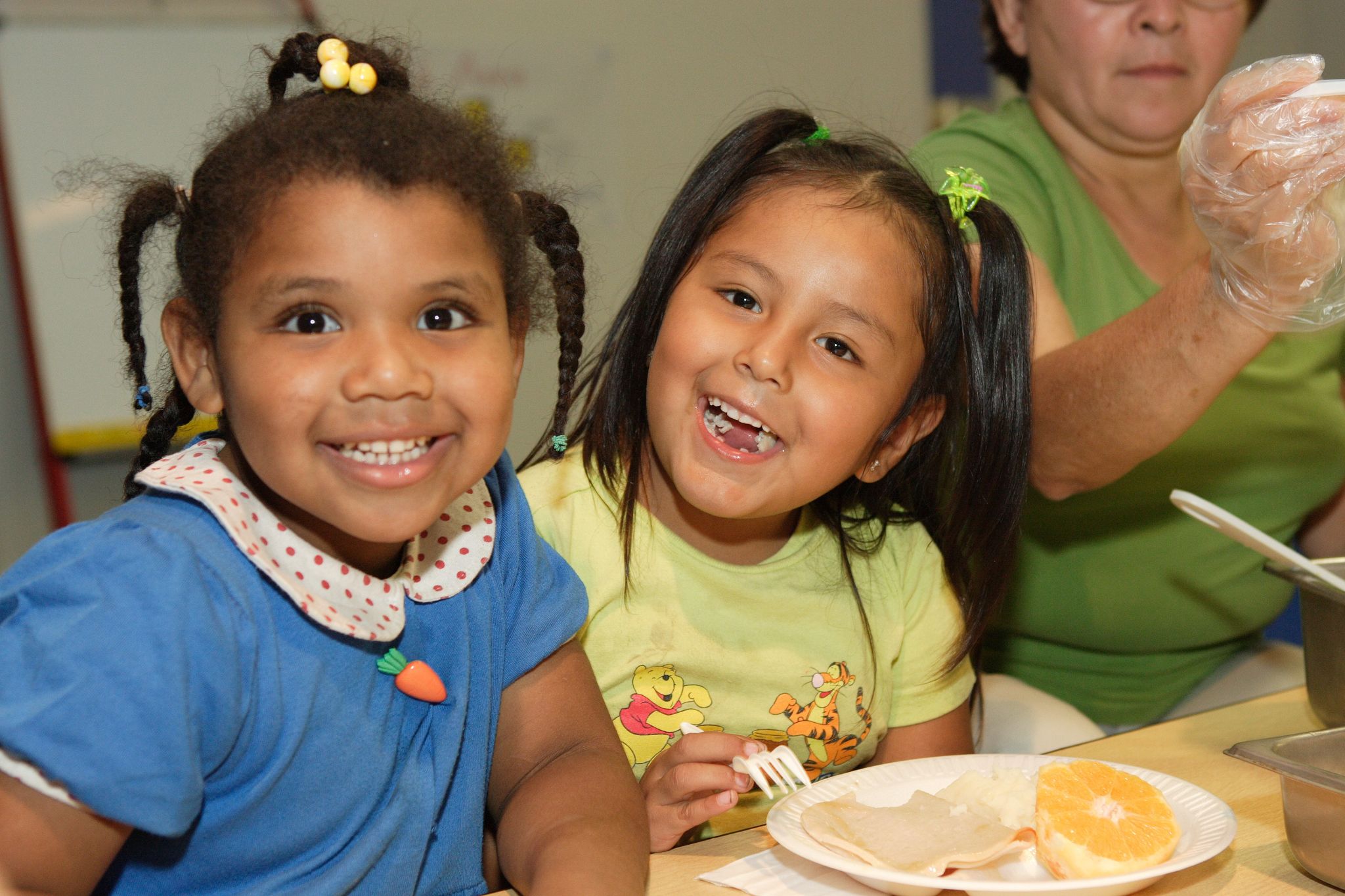
In anticipation of the White House Conference on Hunger, Nutrition, and Health slated for September 28, 2022, UnidosUS is releasing a series of blog posts concerning Latino priorities for a healthy and equitable food system. Below is the second in our series.
Too many children, including Latino children, currently lack critical building blocks for good health, including consistent access to healthy food. Food insecurity affects 35 million people in the U.S., including 10.7 million children.
Prior to the COVID-19 pandemic, 17% of Latino children lived in a food-insecure household, compared to 10.7% of non-Hispanic white children. Since the pandemic began, 47% of Latino households with children reported being food insecure—the highest percentage reported for all racial and ethnic groups. At the same time, as the Robert Wood Johnson Foundation State of Childhood Obesity report highlighted in 2021, Hispanic children have obesity (21.4%) at significantly rates than non-Hispanic white children (12.1%).
To achieve the White House Conference’s goal of improving food access for our most vulnerable groups, the government must make it easier for everyone, including Latinos, to afford high quality food. The Latino community disproportionately struggles with food insecurity and access to nutritious food, and the pandemic has exacerbated this issue. At a time when many families continue to struggle with putting food on the table, action is needed to ensure that children have access to healthy food.
In late July 2022, the House Education and Labor Committee advanced out of committee the Healthy Meals, Healthy Kids Act, a bill to address food insecurity and nutritional needs in children.
The measure would substantially increase children’s access to federal food assistance programs, including school meals, summer meals, and food in childcare settings. It also would improve the healthfulness and quality of school meals, aligning them with the types of healthy foods that kids need to thrive. The bill is waiting for a vote on the House floor, and much attention is turned toward the Senate, which should move quickly to bring a similar measure forward this fall.
The Healthy Meals, Healthy Kids Act would improve children’s health year-round.
The proposed legislation includes provisions to reduce childhood hunger and malnutrition, which are essential to advancing child health and promoting student success. The bill’s many provisions would improve the operation of several major federal programs, including the National School Lunch Program (NSLP) and the Special Supplemental Nutrition Program for Women, Infants, and Children (WIC).
The NLSP reaches over 30.4 million children nationwide and improves food security and nutrient intake among food-insecure households. About 32% of all children receiving reduced-price or free lunches through the NSLP are Hispanic.
The Healthy Meals, Healthy Kids Act would address issues related to the NSLP by:
- Allowing children on Medicaid to qualify for free and reduced-price school meals without an additional application;
- Improving the nutritional quality of school meals by strengthening evidence-based nutrition standards, helping schools meet nutrition standards via a technical assistance grant program, and requiring USDA to go through rulemaking to align the school meals nutrition standards with the latest Dietary Guidelines for Americans (DGA) and regularly update the nutrition standards with evidence-based science;
- Expanding community eligibility, which means that more school districts can provide free school meals at no cost to all enrolled students without requiring household applications;
- Providing protections for families and children with unpaid school meal fees, such as prohibiting the overt identification of and taking away or disposal of food served to students with unpaid school meal fees; and
- Requiring that school districts take steps to determine if families with unpaid school meals fees are eligible for free or reduced-price meals and encourage families to fill out a school meal application.
WIC is an especially critical program that advances the health of Latinos. Latinos make up the largest group of WIC participants, with over 2.7 million Latinos enrolled in the program. The bill would also significantly improve and modernize the Special Supplemental Nutrition Program for Women, Infants, and Children (WIC) by:
- Requiring WIC clinics to offer services over the phone and through video options;
- Extending WIC benefits to children up to the age of six;
- Requiring WIC agencies to extend certification periods, the period of time which an individual may participate in the WIC program before needing to go through a recertification process, to two years for infants, children, and postpartum individuals;
- Allowing for online and mobile payments in WIC, where participants may purchase foods online or through a mobile app using their WIC dollars, to streamline transactions and make it easier for WIC participants to purchase nutritious foods; and
- Authorizing $90 million to invest in WIC technology and improve data sharing between WIC and the health care sector.
The bill also includes critical provisions for reducing the summer hunger gap, which results when schools are closed during the summer, by:
- Authorizing a nationwide Summer EBT Program, which would provide $75 per child per month in nutrition assistance during summer break. In response to the pandemic, Congress created the Pandemic Electronic Benefit Transfer (P-EBT) Program, which has temporarily allowed students to receive benefits to replace the meals that they were missing as schools closed in response to the COVID-19 pandemic. A permanent Summer EBT program would build on the success of P-EBT and the Summer EBT Pilot Program to provide nutritional support for families during the summer, school breaks, and unanticipated school closures;
- Requiring summer food outreach to be culturally and linguistically appropriate; and
- Allowing all summer meal sites to serve up to three meals each day.
The bill would also preserve important flexibilities in meal delivery requirements for school meals that the pandemic showed helps families.
Improving access to healthy foods through federal food assistance programs is not only good public policy; it is also strongly supported by Latino voters. A recent national poll of Latino voters demonstrated that 84% of Latino voters support Congress making pandemic-related food assistance and unemployment benefits permanent.
The Healthy Meals, Healthy Kids Act builds on the lessons learned during the pandemic and provides Congress with the opportunity to correct for the factors that contribute to disproportionate food insecurity among low-income Latinos and other communities of color. Support from the White House and the Senate, along with passage in the House, is needed quickly to ensure that the Healthy Meals, Healthy Kids Act provides a key opportunity for federal nutrition programs to provide millions of children, including millions of lower-income Latinos, with better access to healthy food and gives kids what they need to thrive in school, childcare, and at home.
[ad_2]
Source link