












Do Minority Patients Receive the Same Quality of Cancer Care?

[ad_1]

Cancer is a jarring and potentially sensitive subject, and that requires asking hard, even uncomfortable questions — especially when it comes to the quality of oncology care that marginalized patient groups receive.  

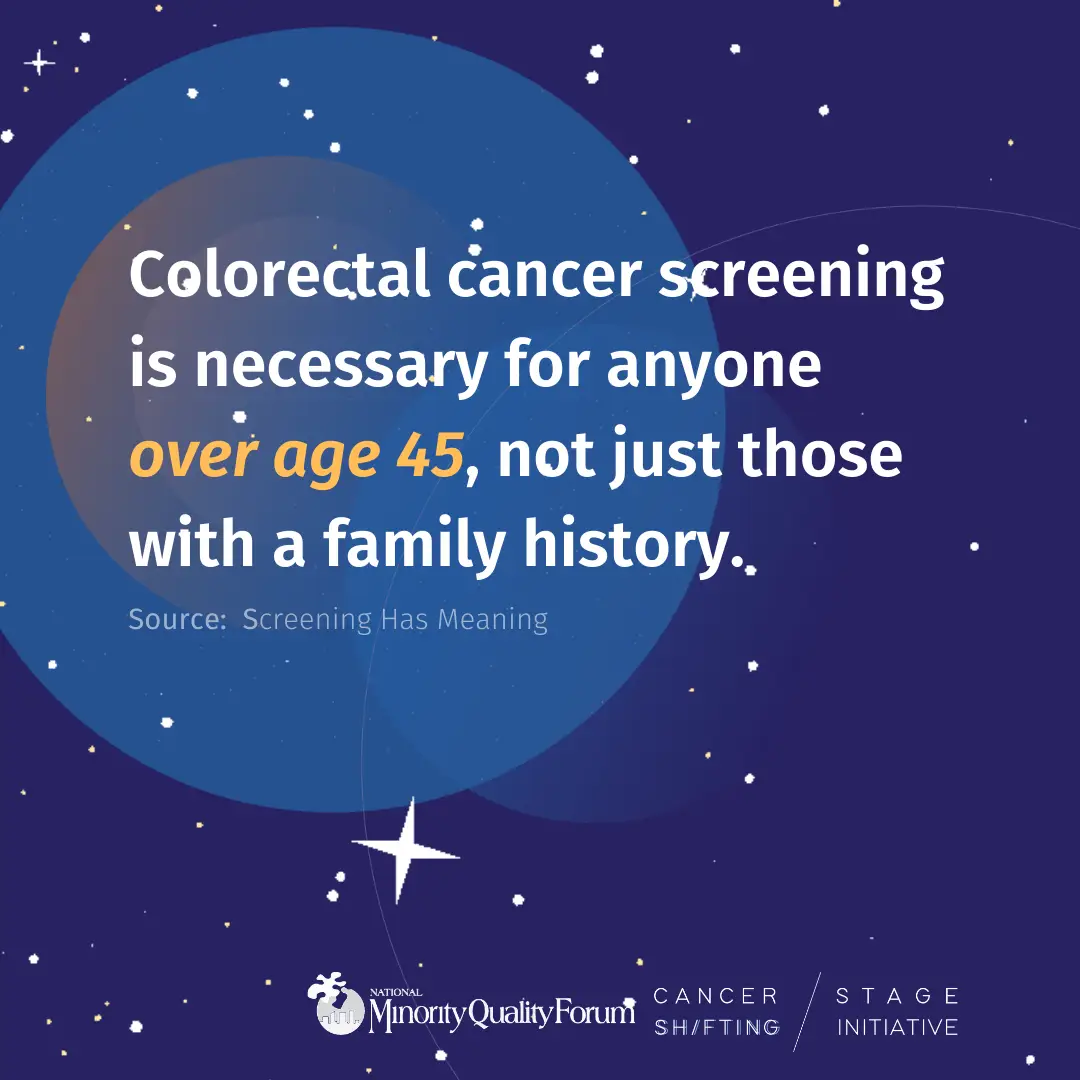
When Chadwick Boseman, a popular African American actor, died in 2020 from stage IV colorectal cancer at age 43, the world was heartbroken. We can learn from his story, though, and move beyond heartache toward solution-finding strategies.

Compared with their White counterparts, Black and Hispanic men like Boseman have higher colorectal cancer mortality rates. In addition, Black women have a 41% higher chance of dying from breast cancer compared with White women, after adjusting for disease incidence between both population groups.

Some sociodemographic factors contribute to these higher mortality rates among minority and socially disadvantaged populations. Some of these factors include lack of private insurance and a paucity of access to quality treatment. These sociodemographic components are characteristics of a broken system where the quality of healthcare available depends on one’s social class, as it does in the United States.

Do Cancers Present Similarly Across All Patient Groups?

In my honest opinion, the answer to this question is a hard “no.”

In regard to screening and early presentation, which does help nip some cancers in the bud, access to private insurance plays a crucial role.

Economic disempowerment as a whole has ripple effects that include poor health insurance, which has a greater bearing on minority populations as they tend to be more economically disempowered.

Statistics from the US Census Bureau reveal that 16.1% of Hispanics and 10.6% of African Americans are uninsured, compared with 6.3% of non-Hispanic Whites. Economically empowered White people with greater insurance have access to adequate follow-up and screening options, resulting in far lower chances of late diagnosis and death from cancer.

When coupled with the erosion of trust in the US healthcare system due to transgenerational trauma, Black population groups, for example, end up with poorer health outcomes (in the form of late diagnosis, poor care, and higher mortality rates) when it comes to cancer.

Are Minority Patients Underrepresented in Oncology Clinical Trials?

Adequate representation in clinical trials is another potent cause of cancer health disparities in the US. Enrollment in these trials is still tilted in the favor of non-Hispanic Whites when compared with Hispanics and African Americans.

Underrepresentation of racial minority subgroups in trials leads to a poorer understanding of the applicability of cancer research findings to patients in the aforementioned subgroups.

Checking Our Unconscious Biases as Physicians

Even as physicians, our judgment can be tainted by unconscious biases. What lenses do we use to view patients with drug addictions? Are we empathetic?

For the non-English-speaking minority patient, how careful are we to ensure that vital communication isn’t lost in the process of translation, bearing in mind that a lack of appropriate vocabulary on the patient’s end might lead to an inability to properly express pain or discomfort?

Failing to note such situations can further worsen health outcomes in minority patients.

What Can We Do Now?

In a healthcare system that continues to fail the most vulnerable population groups, now is the time to look inward to fix health disparities. Each of us can help close these gaps by doing the following:

  • Deliberately centering minority population groups in our conversations on cancer care;

  • Building strong patient-physician relationships, thereby increasing marginalized patients’ trust in the healthcare system, and their enthusiasm toward important preventive mechanisms such as screening tests;

  • Checking our personal biases and constantly cross-examining how our interactions with minority patients can be better;

  • Adequately representing minority populations in clinical trials; and

  • Encouraging more underrepresented physician populations to specialize in oncology, as their context is much needed in the field.

Viewing minority patients as worthy of the same level of empathy and providing proper access to care is crucial to achieving truly equal oncology care across population groups. It is something that we can all improve upon.

Join Medscape’s new blog initiative! We’re looking for physicians, nurses, PAs, specialists, and other healthcare professionals who are willing to share their expertise in one to two paid blog posts per month. Please email Medscape-Blogs@webmd.net for more information.

Follow Medscape on Facebook, Twitter, Instagram, and YouTube

About Dr Oyepeju Abioye

Oyepeju Abioye, MD, is an aspiring oncologist who is passionate about advancing equitable cancer care. Originally from Nigeria, she is currently pursuing US medical residency while completing a master’s degree in epidemiology and biostatistics.

Her major clinical and research interests include cancer survivorship among marginalized populations, diversity and inclusion in clinical oncology trials, and technological advances in oncology. She hopes to contribute meaningfully to these spaces through clinical practice and evidence-based research.

Connect with her:

Twitter
@AbioyeOyepeju

Instagram
@pejuabioye

The Duma Lab, formerly known as the Social Justice League, was founded in August 2019 and focuses on social justice issues in medicine, including discrimination and gender bias in academic and clinical medicine, cancer health disparities, and medical education.



[ad_2]

Source link

Trending Topics

Features

Download and distribute powerful vaccination QI resources for your community.

Sign up now to support health equity and sustainable health outcomes in your community.

MCED tests use a simple blood draw to screen for many kinds of cancer at once.

FYHN is a bridge connecting health information providers to BIPOC communities in a trusted environment.

Discover an honest look at our Medicare system.

ARC was launched to create a network of community clinicians to diversify and bring clinical trials to communities of color and other communities that have been underrepresented.

The single most important purpose of our healthcare system is to reduce patient risk for an acute event.

Related Posts
R&B Singer Nivea Reveals Leukemia Diagnosis at 44, Says Treatment Is Going Well
Health Equity Act Reintroduced to Expand Access
Senate Committee Advances 11 Health Care Access Bills
Scroll to Top
Featured Articles
Nivea Leukemia Diagnosis Singer Shares Treatment Update
R&B Singer Nivea Reveals Leukemia Diagnosis at 44, Says Treatment Is Goin...
Sen. Alex Padilla speaks during the announcement of the Health Equity and Accountability Act of 2026, legislation aimed at reducing health disparities and expanding access to healthcare for underserved communities.
Health Equity Act Reintroduced to Expand Access
Senate HELP Committee advances bipartisan health care bills on insulin, biosimilars, rural care and price transparency.
Senate Committee Advances 11 Health Care Access Bills
Bottle and tablets representing the recall of some cetirizine 5 mg allergy medicine
Cetirizine Recall: Check Your Allergy Medicine
House Advances Bipartisan EARLY Act Reauthorization, Renewing Focus on Early Breast Cancer Detection for Young Women
House Advances Bipartisan EARLY Act Reauthorization, Renewing Focus on Early ...
Cyclospora Outbreak Linked to Lettuce Sickens 1,600+ fyh.news
Cyclospora Outbreak Linked to Recalled Lettuce Sickens More Than 1,600 Across...
Categories
AI
ATTR-CM
BIPOC News
Cancer
Clinical Trials
Covid19
Diseases of the Body
Environment
Health Data
Health Equity Events
Health Policy
Health Tips
Subscribe to our newsletter to receive our latest news​
All Stories
Nivea Leukemia Diagnosis Singer Shares Treatment Update
R&B Singer Nivea Reveals Leukemia Diagnosis at 44, Says Treatment Is Goin...
Sen. Alex Padilla speaks during the announcement of the Health Equity and Accountability Act of 2026, legislation aimed at reducing health disparities and expanding access to healthcare for underserved communities.
Health Equity Act Reintroduced to Expand Access
Senate HELP Committee advances bipartisan health care bills on insulin, biosimilars, rural care and price transparency.
Senate Committee Advances 11 Health Care Access Bills
BIPOC News
Senate HELP Committee advances bipartisan health care bills on insulin, biosimilars, rural care and price transparency.
Senate Committee Advances 11 Health Care Access Bills
Bottle and tablets representing the recall of some cetirizine 5 mg allergy medicine
Cetirizine Recall: Check Your Allergy Medicine
How NMQF Advances Minority Health Through Data, Research and Health Access
Environment
UV Safety Awareness Month Raises Urgency on Skin Cancer Prevention and Sun Protection Equity
UV Safety Awareness Month Raises Urgency on Skin Cancer Prevention and Sun Pr...
Extreme Heat Safety Tips 5 Ways to Protect Your Health This Summer fyh.news
5 Heat Safety Tips That Could Protect Your Health This Summer
Lupus Awareness Event in Baltimore Aims to Support Research and Shine a Light on Health Disparities
Lupus Awareness Event in Baltimore Aims to Support Research and Shine a Light...
Work Force
A multigenerational Black and Hispanic family sitting together in a park, showing how Social Security helps support older adults, people with disabilities, and families across generations.
Millions of Older Americans Could Face Smaller Social Security Checks by 2032...
dreamstime_s_243253251
The Caregiver Journey: The Hidden Backbone of American Healthcare
Families gather at a Bronx community festival with live music, kids’ activities, and health booths sharing SOMOS social care resources and free screenings.
Celebrating Hispanic heritage while learning about health care

[xyz-ips snippet=”Output-Source-Name”]

Clinical Trials
House Advances Bipartisan EARLY Act Reauthorization, Renewing Focus on Early Breast Cancer Detection for Young Women
House Advances Bipartisan EARLY Act Reauthorization, Renewing Focus on Early ...
Early Cancer Detection Is Entering a New Era. Flint Is Helping Lead the Way.
Why Your “Ozempic” May Not Be Ozempic: FDA Warnings Highlight Growing Risks of Unregulated GLP-1 Drugs
Why Your “Ozempic” May Not Be Ozempic: FDA Warnings Highlight Growing Risks o...
Vaccines and Outbreaks
Cyclospora Outbreak Linked to Lettuce Sickens 1,600+ fyh.news
Cyclospora Outbreak Linked to Recalled Lettuce Sickens More Than 1,600 Across...
A parent checking a child's temperature during summer, illustrating the changing RSV patterns and year-round respiratory virus risks.
Can You Get RSV During the Summer?
Michelle Lam, MBA, of NYC Health + Hospitals/Elmhurst & Amy Harris of NYC Health + Hospitals/Elmhurst
Healthcare Leaders Spotlight Vaccine Equity and Adult Immunization Strategies...
Other Categories
AI
Read the latest AI News stories trending around the world
ATTR-CM
Cancer
Read the latest Cancer stories trending around the world
Covid19
Diseases of the Body
Read about the latest Diseases of the Body trending around the world
Friday Webinars
Every Friday, we bring you insightful webinars covering critical topics in healthcare, data equity, and policy reform.
Health Data
Read the latest Health Data stories trending around the world
Health Equity Events
Read the best Health Equity Events around the country.
Health Policy
Read the latest Health Policy stories trending around the world
Health Tips
Heart Health
Read the latest on Heart Health News, Stories and Tips.
kidney Health
Read more trending News about Kidney Health, Stories and Tips.

