







Improving Indigenous Health Through Doula Care Amid Medicaid Cuts
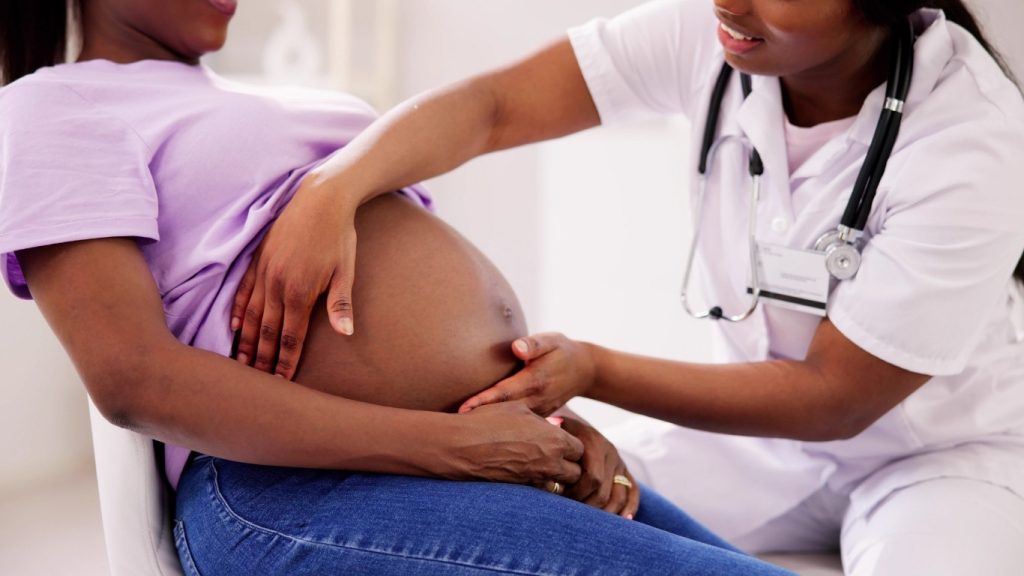
Amid the backdrop of recent Medicaid cuts, the role of doula care is gaining prominence in improving health outcomes among Indigenous communities. Doula care, which provides physical, emotional, and informational support during childbirth, is increasingly being recognized as a vital service, particularly for the Indigenous populations whose health needs are often underserved. With Medicaid cuts posing new challenges, the focus on equitable healthcare through alternatives such as doula support becomes more crucial than ever.
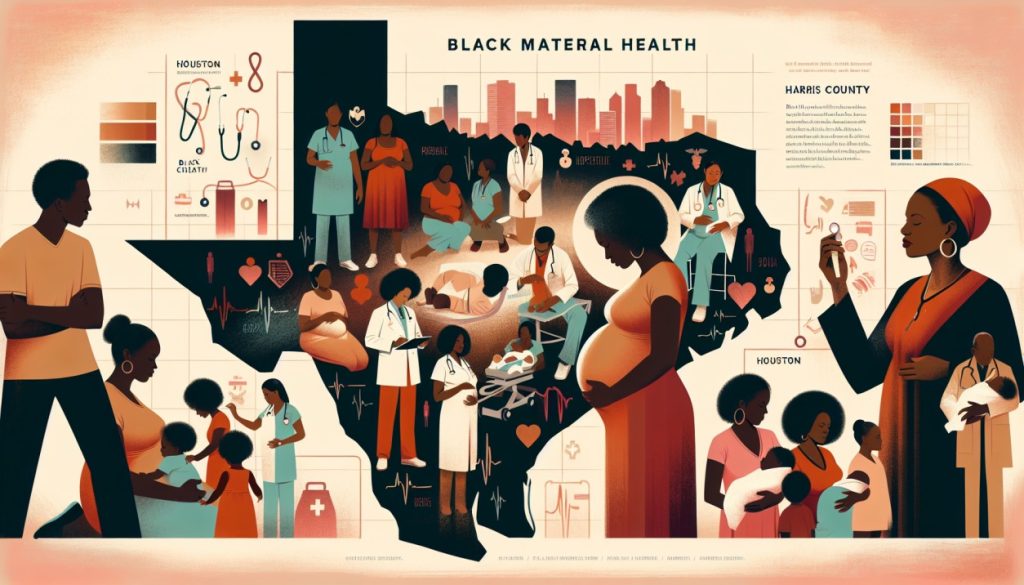
Across the United States, Indigenous communities face significant disparities in healthcare access and outcomes. According to the Centers for Disease Control and Prevention (CDC), Indigenous women experience higher rates of pregnancy-related complications and mortality compared to their white counterparts. As a result, doula programs tailored to the cultural and spiritual needs of Indigenous patients are seen as a pathway to better health outcomes.
In Montana, where the impact of Medicaid cuts weighs heavily on the healthcare infrastructure, the adoption of doula care is a promising development. Doulas work to build trust and provide consistent care, which is particularly beneficial in communities where healthcare services may be limited or difficult to access. Importantly, doulas are not only birth companions but also advocates who help navigate healthcare systems and offer culturally relevant emotional support.

According to a report by the National Partnership for Women & Families, the inclusion of doulas can lead to improved birth outcomes, including reduced rates of C-sections and preterm births. This is a crucial factor for Indigenous women who are disproportionately affected by such complications. As demand for doulas increases, there is a call for policies that support the integration of these services into standard healthcare practices.
The Cultural Relevance of Doula Care
The integration of doula services within Indigenous communities underscores the importance of culturally competent care. Doulas offer a blend of modern healthcare practices and traditional healing methods, resonating deeply with community values. This culturally relevant approach is vital for trust-building and ultimately leads to better compliance and engagement in the birthing process.
“Doulas are essential advocates who bridge the gap between Indigenous traditions and contemporary medical care,” said Dr. Jane Smith, a researcher at the University of Montana specializing in Indigenous health. She emphasizes that the role of doulas in incorporating traditional healing rituals can enhance the overall well-being of both the mother and child. This form of care supports mental and emotional health, reducing stress and anxiety associated with childbirth.
However, securing financial support for doula services remains a challenge. Legislative actions focusing on expanding Medicaid coverage to include doula care are being advocated by healthcare leaders and policymakers. Such measures could significantly alleviate the financial burdens faced by Indigenous families seeking comprehensive maternal care.
Further complicating the situation, many Indigenous families live in rural areas where access to traditional healthcare facilities is limited. Doulas often travel long distances to provide their services, highlighting the need for structural support in expanding these vital services. National organizations such as the National Congress of American Indians are advocating for stronger support systems and increased funding to facilitate doula accessibility.
As the conversation around healthcare equity continues, the inclusion of doulas is a step toward addressing systemic disparities affecting Indigenous populations. Expanding doula care not only addresses immediate healthcare needs but also aligns with broader movements for social justice and community empowerment.
In conclusion, the impact of Medicaid cuts cannot be ignored; however, the integration of doula care into Indigenous communities offers a beacon of hope. As healthcare systems evolve, the recognition and support of culturally competent care models like doula services become essential in bridging the health inequities faced by marginalized communities. Moving forward, the concerted efforts of policymakers, healthcare providers, and community leaders will be crucial in sustaining and expanding these services to improve the health outcomes for Indigenous populations.
Also Read: Boost Your Memory with These Effective Exercise Strategies
Stay Informed. Stay Empowered.