













Fewer Black Queer People are Taking PrEP. Meet the Students Fighting to Change That.

[ad_1]

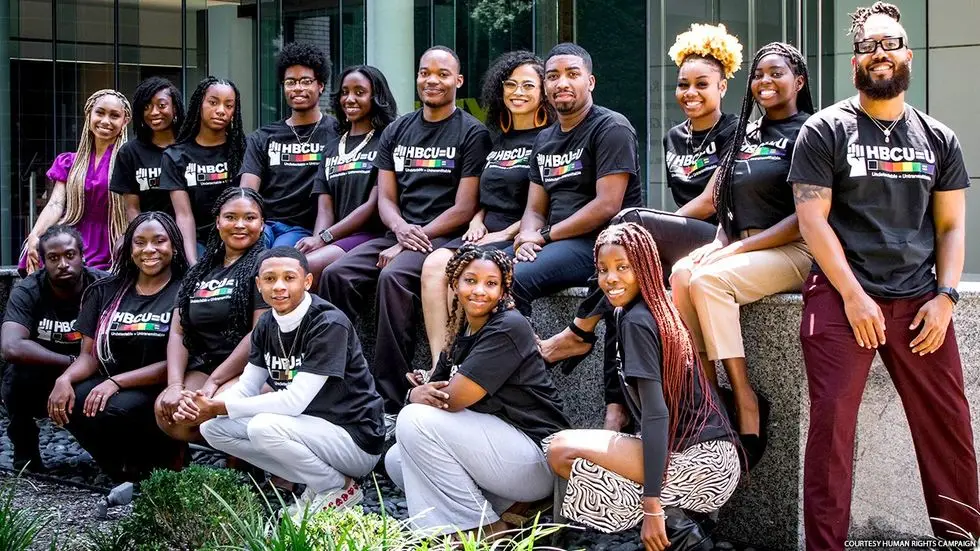
In an urgent bid to counter the decline in the utilization of pre-exposure prophylaxis (PrEP) in the fight against HIV, particularly among Black and brown communities, the Human Rights Campaign (HRC) has instituted an initiative focusing on Historically Black Colleges and Universities (HBCUs).

A team of 12 students will take on the role of PrEP Peer Educators with a mission to combat HIV and AIDS-related stigma on HBCU campuses through public awareness campaigns focused on PrEP, HIV testing, and treatment options.

The Advocate recently held a deep-dive conversation with the director of the HRC Historically Black Colleges and Universities Program, Leslie Hall, and the associate director of HIV & Health Equity, Vanessa Castro, to delve into the nuances of this significant program. The discussion explored the contemporary landscape of HIV prevention efforts and the role the HRC’s program plays in shaping the future.

During the 2022 International AIDS Conference, it was noted that the fight against HIV is slipping due to decreasing access to PrEP, experts pointed out at the event in Montreal. The conference also highlighted the urgency to address the stigma still present around the virus and its prevention.

Detailing the inception of the program, Hall emphasized it was crafted to fill the knowledge void on HBCU campuses about PrEP and reduce stigma, a significant barrier hindering students from getting tested or even visiting wellness centers. He voiced concerns over the decline in Black and Brown individuals, specifically black gay men, initiating and sustaining PrEP usage.

This initiative took off with a grant from Gilead Sciences, allowing a cohort of student leaders to be trained as PrEP educators, breaking the chains of misinformation and guiding peers seeking prescriptions. Notably, the program has adjusted its focus, steering towards students who are not only well-rounded but comfortable discussing HIV and other related topics openly, Hall highlighted, emphasizing a strategy to prioritize areas and campuses with more significant needs and potential for outreach.

The program devised a strategy involving student leaders adept in sexual health and wellness, an approach grounded in the reality of HBCU campuses, many lacking health resources. Hall explained, “The reality is if you’re not at the top 10 or 15 largest HBCUs, your health center probably has one or two folks.”

Dr. Patrick Sullivan, a public health expert at Emory University in Atlanta, leads a team that has introduced AIDSVu, a pioneering PrEP use data platform that provides maps highlighting demographic and state-specific data. He points out that in 2021, while Black individuals represented 14 percent of PrEP users across the country, they accounted for 42 percent of new HIV diagnoses.

“If four in 10 new diagnoses are in Black people, then we’d like to see four in 10 Black people who are taking PrEP,” Sullivan remarked. “There’s a significant disparity, notably among Black and Hispanic communities, and between women and men. This disparity underscores the challenge of ensuring equitable access and addressing the unique obstacles faced by different groups.”

Highlighting the diversity in the student cohort involved in the program, Hall mentioned that they consciously included a significant representation of Black women, given the high rates of people living with HIV in that demographic. These students present themselves as experts, bridging the gap between their peers and access to PrEP.

Castro iterated the urgency of addressing the underutilization of PrEP in Black communities, where less than 8 percent are being prescribed PrEP.

“These conversations have been siloed for too long,” Castro stressed, outlining the initiative’s approach to empowering young people to take health into their own hands. She illustrated a transformative methodology focusing on the practical application of knowledge in students’ environments, such as establishing partnerships with local community organizations or initiating discussions with school administrators to bring necessary services to their campuses.

Castro explained that the program fosters relationships with community-based organizations and utilizes resources like mobile testing units to bring services closer to students.

“We focused on empowering young people to understand how they can better serve their community and create transformative changes by taking knowledge and applying it in their spaces,” Castro remarked, underscoring the critical role of destigmatization in the broader landscape.

On the logistics of selecting student leaders for this initiative, Hall mentioned a dynamic strategy encompassing outreach through social media networks and group interviews to evaluate comfort levels in discussing HIV and sexual health.

In a notable advancement, the program partnered with QCare Plus to facilitate an easy and confidential system for students to access PrEP. Students can use unique QR codes distributed through PrEP educators to undertake the process virtually, ensuring confidentiality and convenience. All of this is free.

Hall explained, “Once students feel comfortable taking the next step to explore the possibility of getting prescribed PrEP, they hand them a postcard with a unique QR code. It’s all confidential, giving them the freedom to go through the process without involving their parents if they are on their health insurance.”

Castro also noted HRC’s “Wellness in Action” initiative, which provides self-testing kits, emphasizing the convenience and comfort it accords individuals in the testing process.

At a crucial juncture where the COVID-19 pandemic has somewhat shadowed the persistent battle against HIV, this initiative stands as a beacon of hope, ensuring that the fight continues with renewed vigor, harnessing the power of knowledge and the spirit of community collaboration to foster a future devoid of HIV-related stigmas and disparities.

[ad_2]

Source link

Trending Topics

Features

Download and distribute powerful vaccination QI resources for your community.

Sign up now to support health equity and sustainable health outcomes in your community.

MCED tests use a simple blood draw to screen for many kinds of cancer at once.

FYHN is a bridge connecting health information providers to BIPOC communities in a trusted environment.

Discover an honest look at our Medicare system.

ARC was launched to create a network of community clinicians to diversify and bring clinical trials to communities of color and other communities that have been underrepresented.

The single most important purpose of our healthcare system is to reduce patient risk for an acute event.

Related Posts
The Communities Most Burdened by Disease Should Be the First to Benefit from Artificial Intelligence
Black and Asian Cancer Patients Wait Longer for Pain Relief in New Study
What Is Cyclosporiasis? The Foodborne Illness Showing Up in the News
Scroll to Top
Featured Articles
The Communities Most Burdened by Disease Should Be the First to Benefit from Artificial Intelligence
The Communities Most Burdened by Disease Should Be the First to Benefit from ...
Cancer Pain Care Access Gap Hits Black, Asian Patients
Black and Asian Cancer Patients Wait Longer for Pain Relief in New Study
What Is Cyclosporiasis Symptoms, Food Safety, and Reasons
What Is Cyclosporiasis? The Foodborne Illness Showing Up in the News
Why Minority Mental Health Awareness Month Matters More Than Ever
From Childhood Cancer to Alzheimer’s and ALS Celebrity Health Stories Spark National Conversation on Disease, Caregiving, and Equity
From Childhood Cancer to Alzheimer’s and ALS Celebrity Health Stories Spark N...
Learn How NMQF Is Transforming Early Disease Detection in Flint
Categories
AI
ATTR-CM
BIPOC News
Cancer
Clinical Trials
Covid19
Diseases of the Body
Environment
Health Data
Health Equity Events
Health Policy
Health Tips
Subscribe to our newsletter to receive our latest news​
All Stories
The Communities Most Burdened by Disease Should Be the First to Benefit from Artificial Intelligence
The Communities Most Burdened by Disease Should Be the First to Benefit from ...
Cancer Pain Care Access Gap Hits Black, Asian Patients
Black and Asian Cancer Patients Wait Longer for Pain Relief in New Study
What Is Cyclosporiasis Symptoms, Food Safety, and Reasons
What Is Cyclosporiasis? The Foodborne Illness Showing Up in the News
BIPOC News
The Communities Most Burdened by Disease Should Be the First to Benefit from Artificial Intelligence
The Communities Most Burdened by Disease Should Be the First to Benefit from ...
Why Minority Mental Health Awareness Month Matters More Than Ever
From Childhood Cancer to Alzheimer’s and ALS Celebrity Health Stories Spark National Conversation on Disease, Caregiving, and Equity
From Childhood Cancer to Alzheimer’s and ALS Celebrity Health Stories Spark N...
Environment
UV Safety Awareness Month Raises Urgency on Skin Cancer Prevention and Sun Protection Equity
UV Safety Awareness Month Raises Urgency on Skin Cancer Prevention and Sun Pr...
Extreme Heat Safety Tips 5 Ways to Protect Your Health This Summer fyh.news
5 Heat Safety Tips That Could Protect Your Health This Summer
Lupus Awareness Event in Baltimore Aims to Support Research and Shine a Light on Health Disparities
Lupus Awareness Event in Baltimore Aims to Support Research and Shine a Light...
Work Force
A multigenerational Black and Hispanic family sitting together in a park, showing how Social Security helps support older adults, people with disabilities, and families across generations.
Millions of Older Americans Could Face Smaller Social Security Checks by 2032...
dreamstime_s_243253251
The Caregiver Journey: The Hidden Backbone of American Healthcare
Families gather at a Bronx community festival with live music, kids’ activities, and health booths sharing SOMOS social care resources and free screenings.
Celebrating Hispanic heritage while learning about health care

[xyz-ips snippet=”Output-Source-Name”]

Clinical Trials
Clinical Trial Diversity Remains a Critical Challenge in Alzheimer’s Research
Healthcare professional collecting a blood sample from a diverse patient as part of multicancer early detection screening.
Bridging the Gap: How Multicancer Early Detection Can Advance Health Equity i...
dreamstime_s_174488289
PCOS to PMOS: Why the 2026 Name Change Matters for Women’s Health

[xyz-ips snippet=”Output-Source-Name”]

Vaccines and Outbreaks
A parent checking a child's temperature during summer, illustrating the changing RSV patterns and year-round respiratory virus risks.
Can You Get RSV During the Summer?
Michelle Lam, MBA, of NYC Health + Hospitals/Elmhurst & Amy Harris of NYC Health + Hospitals/Elmhurst
Healthcare Leaders Spotlight Vaccine Equity and Adult Immunization Strategies...
Measles Outbreaks Surge: Essential Facts and Prevention Strategies
Other Categories
AI
Read the latest AI News stories trending around the world
ATTR-CM
Cancer
Read the latest Cancer stories trending around the world
Covid19
Diseases of the Body
Read about the latest Diseases of the Body trending around the world
Friday Webinars
Every Friday, we bring you insightful webinars covering critical topics in healthcare, data equity, and policy reform.
Health Data
Read the latest Health Data stories trending around the world
Health Equity Events
Read the best Health Equity Events around the country.
Health Policy
Read the latest Health Policy stories trending around the world
Health Tips
Heart Health
Read the latest on Heart Health News, Stories and Tips.
kidney Health
Read more trending News about Kidney Health, Stories and Tips.


