










The rapid rise of GLP-1 receptor agonists has fundamentally changed the landscape of metabolic health and weight management in the United States. Medications such as semaglutide and tirzepatide are now widely used to treat obesity and type 2 diabetes. Many patients recognize these innovative treatments by their popular brand names, such as Ozempic and Wegovy. These drugs work by effectively mimicking natural gut hormones to suppress a patient’s appetite. However, medical experts emphasize that these powerful medications are not meant to be a solo act. The quality of the nutrition consumed during treatment determines the long-term health outcomes for every patient. Doctors are now prioritizing a “protein-first” approach for all individuals using these medications. This strategy helps combat the significant risk of muscle loss that often accompanies rapid weight reduction. Losing weight too quickly frequently causes the human body to shed lean tissue along with fat stores. Preserving muscle mass is essential for maintaining a strong and healthy metabolic rate over time.
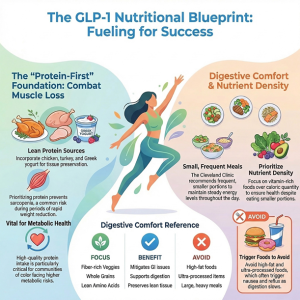
Patients should focus on eating lean proteins to preserve their strength and physical function. Chicken, turkey, and Greek yogurt provide the necessary amino acids to protect lean tissue during weight loss. This nutritional focus is particularly vital for communities of color and other marginalized groups. Research documents higher rates of sarcopenia and metabolic complications in these specific populations. Sarcopenia involves the debilitating or painful loss of muscle mass and overall physical function. Prioritizing protein ensures that weight loss remains healthy and sustainable for the long term. This approach supports health equity by addressing the unique risks found in diverse patient communities. Focusing on high-quality protein helps bridge the gap in health outcomes for these vulnerable groups. A balanced diet serves as the ultimate partner to any pharmacological intervention. Proper nutrition ensures the body remains resilient even as it undergoes significant metabolic changes.
Stay Informed. Stay Empowered.
Managing Digestive Health and Energy Levels
New users of GLP-1 medications often report significant gastrointestinal issues during the initial months of treatment. These symptoms occur because the medication significantly slows down the entire digestive process. Integrating fiber-rich vegetables and whole grains into the daily diet can help mitigate these common problems. These nutrient-dense foods support gut health and keep the digestive system moving effectively. Patients should also actively avoid high-fat and ultra-processed foods while taking these drugs. These heavy or greasy items frequently trigger intense nausea or uncomfortable acid reflux when digestion is slow. Choosing high-quality ingredients ensures the body receives essential vitamins despite a reduced appetite. Smaller portion sizes make the nutritional quality of every single bite even more important for the patient. People must prioritize the density of their nutrients over the total quantity of calories they consume. Every meal should contribute to the body’s overall recovery and strength.
The Cleveland Clinic recommends eating small and frequent meals throughout every day to support the body. This specific dietary strategy helps patients maintain steady energy levels and avoid feelings of fatigue. Many people find it difficult to consume large or heavy meals during their drug treatment. Small meals prevent the uncomfortable feeling of being overly full or physically ill. This habit supports the medication’s intended effects while building sustainable lifestyle habits for the future. Patients must focus on nutrient density instead of just counting their daily calories. This ensures the body stays properly nourished even when the appetite is very low. Consistent eating patterns help the body adjust to metabolic changes more effectively over time. Creating a consistent schedule for meals can help patients remember to eat enough vital nutrients. Proper hydration also plays a key role in managing the side effects of these metabolic drugs.

All patients must use FDA-approved medications and work closely with a licensed physician for their care. A doctor can tailor specific nutritional goals to fit a person’s unique medical history and needs. This professional oversight is absolutely necessary to ensure patient safety and long-term effectiveness. As the medical community learns more about these treatments, the core consensus remains the same. Pharmacological treatments work best when paired with a healthy and balanced approach to eating. Sustainable health requires a deep commitment to both modern medicine and proper daily nutrition. Following these specific guidelines helps patients achieve their weight goals safely while protecting their well-being. The future of metabolic health depends on this integrated and thoughtful approach to patient care. Success in weight management is about building a foundation for a healthier and more active life. This journey requires a partnership between the patient, their provider, and their plate.
Stay Informed. Stay Empowered.