
Author: Eugene Collins | FYH.News Correspondent | Baton Rouge, LA
A St. James Parish senior health fair brought residents together for screenings, prevention tips, and honest conversations about managing high cholesterol. The event showed how community-based care can support better heart health outcomes.How Is St. James Parish Helping Seniors Take Control of High Cholesterol Before It Becomes a Crisis?
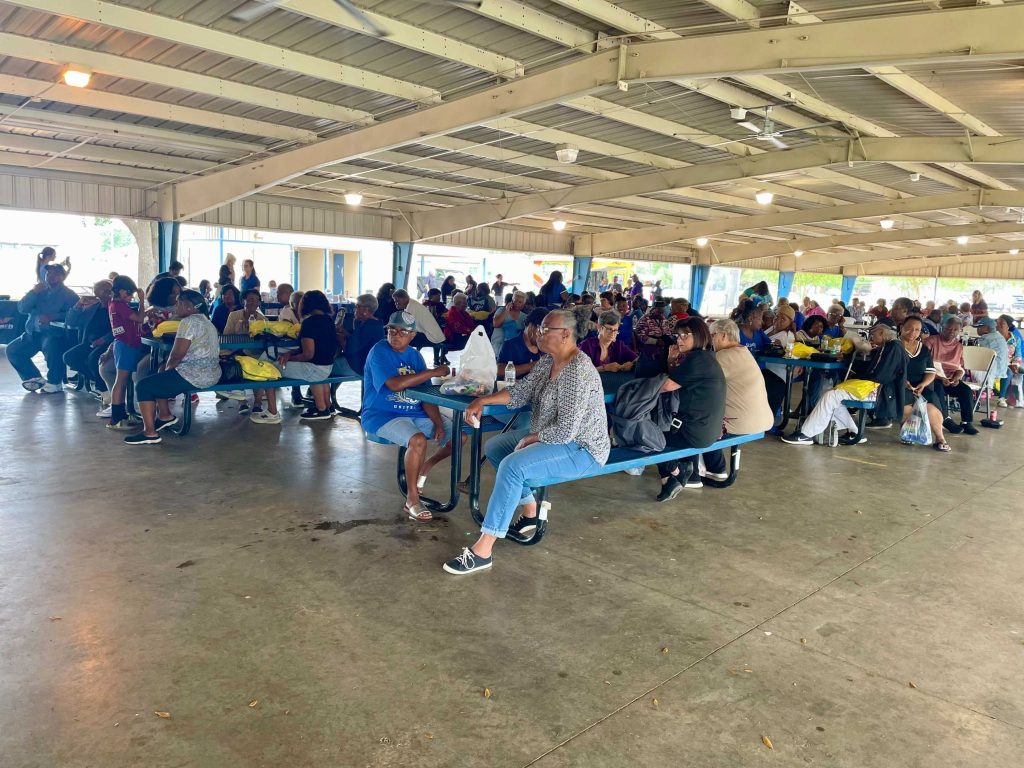
The high cholesterol health fair in St. James Parish showed how prevention, exercise, and routine care can help residents take control of their health. ST. JAMES PARISH, La. On Thursday, April 2, inside a space filled with conversation, check-ins, and quiet realizations, the St. James Parish Hospital Senior Health Fair turned into something deeper than a routine community event. It became a real-time look at how high cholesterol is shaping lives across this region and what it takes to fight back. The event, held in partnership with the St. James Senior Center, brought together healthcare providers, community organizations, and residents, many of them seniors, for a morning focused on prevention, education, and access. But beyond the screenings and information tables, the real story came from the people.

I spoke with ten participants throughout the event. Each one had a different experience, but the message was consistent. High cholesterol is common, often unnoticed, and requires intentional effort to manage. “I didn’t feel anything,” one participant told me. “If I didn’t go to the doctor, I would’ve never known.” That reality reflects what health experts have been warning for years. High cholesterol is often called a silent condition because it develops without symptoms but increases the risk of heart disease and stroke. And in Louisiana, the numbers reinforce just how widespread the issue is.
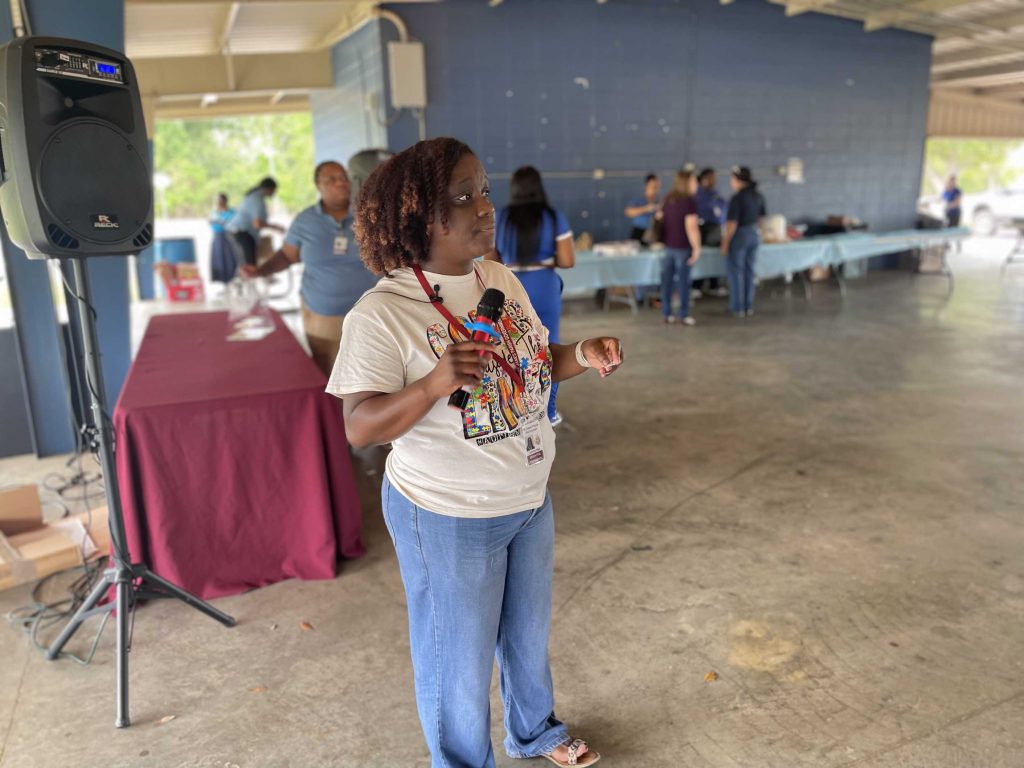
According to data from America’s Health Rankings, about 39.5 percent of adults in Louisiana have been told by a healthcare professional that they have high cholesterol, ranking the state near the bottom nationally at 42nd. In non-metro areas, which include many communities like St. James Parish, that number climbs even higher, reaching over 43 percent of adults. That context was not lost on the people in the room. Jasmine Webb, Activities Coordinator for St. James Parish, said the event is designed to meet that need year after year. “This is something we do every year because it matters,” Webb said. “We want people to come out, get checked, ask questions, and leave here with something that can help them live longer and healthier. It’s about building that habit of showing up for your health.”
That consistency is what makes events like this effective. Because managing cholesterol is not a one-time fix. It is ongoing. It requires routine check-ups, lifestyle changes, and in many cases, medication. Several participants talked openly about the adjustments they have had to make. One woman shared how her diagnosis forced her to rethink her daily habits. “I had to change how I eat,” she said. “Less fried food, more vegetables. I had to really commit to it.” Another participant pointed to the importance of understanding what is happening in your body. “My doctor explained it to me in a way that made sense,” he said. “Once I understood it, I took it seriously.”
That relationship between patient and provider came up repeatedly. People are not just looking for prescriptions. They are looking for guidance, clarity, and support. And when they get it, the results can follow. Some participants shared wins. Lower numbers. More energy. A better understanding of what works for their bodies. Others were still early in the process, trying to figure out what changes they could realistically maintain. But across all ten conversations, one theme kept coming up: movement. Participant Alvin Fields made it plain. “We’ve got to exercise,” Fields said. “A lot of us sit too much. You don’t have to overdo it, but you’ve got to move. Walking every day can change a lot.”
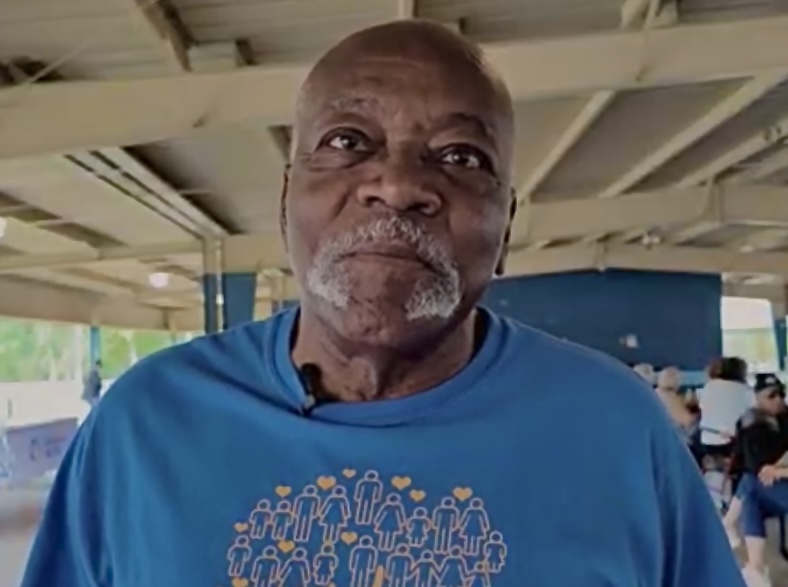
It was a simple statement, but it cut through everything else. Because in communities where access to structured fitness options may be limited, daily movement becomes the most practical solution. Walking. Stretching. Staying active in small, consistent ways. Those are the habits that can shift outcomes over time. Health experts at the event echoed that message, emphasizing that physical activity, along with diet and medication when needed, plays a major role in lowering cholesterol and reducing long-term risk. The fair itself reflected a broader approach to health. Vendors and partners provided resources on chronic disease management, preventive care, and wellness services. Attendees moved from table to table, asking questions, picking up information, and in many cases, having conversations they may not have had otherwise.
That part matters. Because too often, healthcare only happens after something goes wrong. Events like this flip that script. They bring care into the community. They create access. And they make it easier for people to take that first step. For some, this was their first time attending a health fair. For others, it is part of their routine. “I come every year,” one attendee told me. “It keeps me on track.” That is the real impact. Not just a single day, but a consistent push toward awareness and accountability. In a state where nearly 4 in 10 adults are dealing with high cholesterol, and even more in rural communities, that kind of access and engagement is not optional. It is necessary. Because at the end of the day, this is not just about numbers. It is about people learning how to take control of their health before it becomes a crisis. It is about small decisions that add up over time. It is about showing up. And on Thursday morning in St. James Parish, that is exactly what people did.
Also Read: Prevent Heart Disease at Any Age: Top Healthy Lifestyle Tips
Stay Informed. Stay Empowered.