














- By Subash Kafle
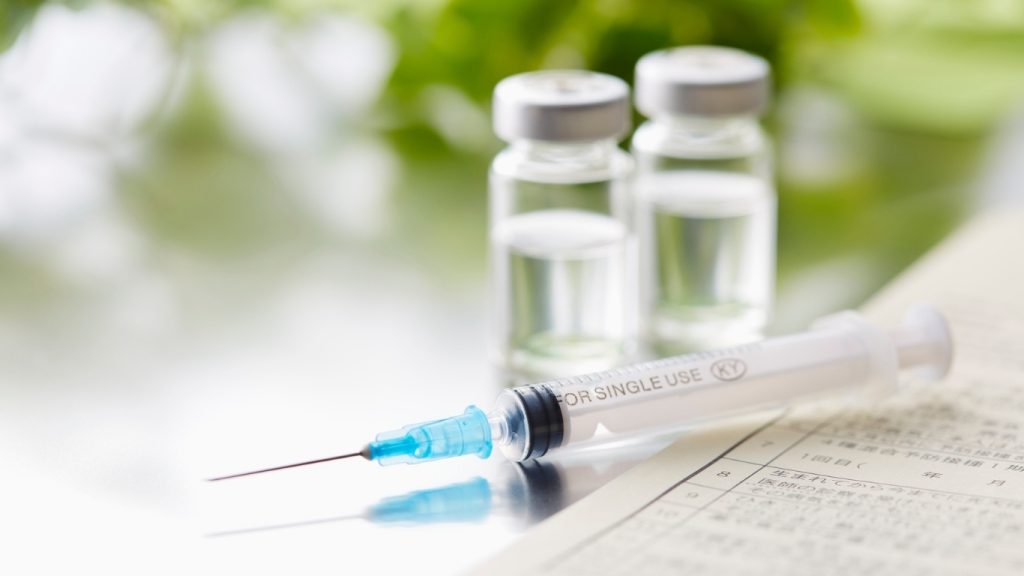
Unsafe compounded GLP-1 drugs remain a public health concern even as the FDA says shortages of major GLP-1 medications have eased. Federal officials have warned that compounded, counterfeit and unapproved versions of these drugs may expose patients to dosing errors, questionable ingredients and products that have not been reviewed for safety, effectiveness or quality.
The end of key GLP-1 drug shortages was supposed to mark a turning point for patients seeking safe, regulated treatment for diabetes and obesity. Instead, federal officials, health experts, and patient advocates are still warning that compounded, counterfeit, and otherwise unapproved versions of these medications continue to pose risks, especially for patients navigating cost barriers, online sellers, and uneven insurance coverage.
The U.S. Food and Drug Administration determined in December 2024 that the shortage of tirzepatide injection products, sold under brand names including Mounjaro and Zepbound, had been resolved. On Feb. 21, 2025, the FDA determined that the shortage of semaglutide injection products, the active ingredient in Ozempic and Wegovy, had been resolved. The FDA said it confirmed with manufacturers that supply and manufacturing capacity could meet current and projected national demand, though patients and prescribers could still experience localized supply disruptions as products moved through the supply chain.
Those decisions narrowed the legal pathway that had allowed some pharmacies and outsourcing facilities to make copies of FDA-approved GLP-1 medicines while the drugs were listed in shortage. FDA set wind-down periods for certain compounders, giving state-licensed pharmacies and physicians until April 22, 2025, and outsourcing facilities until May 22, 2025, for semaglutide products that were essentially copies of approved drugs. The agency also emphasized that it could still take action against products that were substandard, unsafe, or otherwise violated federal law.
The patient safety concern is not theoretical. FDA has warned that compounded drugs are not FDA-approved and do not go through the agency’s premarket review for safety, effectiveness, and quality. In a July 2024 alert, the agency said it had received reports of dosing errors involving compounded injectable semaglutide, including cases in which patients sought medical attention or required hospitalization. FDA said some patients accidentally administered five to 20 times the intended dose after drawing medicine from multidose vials, often because of confusion over “units,” milliliters, and milligrams. Reported adverse events included nausea, vomiting, abdominal pain, fainting, dehydration, acute pancreatitis, and gallstones.
FDA has also raised concerns about compounded semaglutide products made with salt forms, including semaglutide sodium and semaglutide acetate, which the agency says are different active ingredients from those used in approved drugs. The agency has said it is not aware of a lawful basis for using those salt forms in compounding. More recently, FDA warned that it had received adverse event reports involving compounded semaglutide or tirzepatide prescribed in doses beyond what appears in FDA-approved labeling, including higher single doses, more frequent dosing, or faster dose escalation.
Counterfeit products have added another layer of risk. In April 2025, FDA’s MedWatch program warned that several hundred units of counterfeit Ozempic had entered the U.S. drug supply chain outside Novo Nordisk’s authorized channels. FDA said it seized the identified products and advised patients, pharmacies, wholesalers, and clinicians not to use, distribute, or sell products with the specified lot and serial numbers. The agency said it and Novo Nordisk were testing the seized drugs and did not yet have information about their identity, quality, or safety.
The equity stakes
The debate over enforcement is also a health equity issue. GLP-1 medications are used to treat conditions that disproportionately affect many communities of color, including type 2 diabetes and obesity. A 2025 report from the National Center for Health Statistics found that in 2024, 26.5% of adults with diagnosed diabetes used GLP-1 injectables. Use was 31.3% among Hispanic adults with diagnosed diabetes and 26.5% among Black adults with diagnosed diabetes, compared with 12.1% among Asian adults with diagnosed diabetes.
CDC data also show that obesity remains widespread and unevenly distributed across the country. In 2024, every U.S. state and territory had an adult obesity prevalence of at least 25%. Using combined 2022–2024 data, CDC found that 41 geographic areas had obesity prevalence of 35% or higher among Black adults and 33 had prevalence that high among Hispanic adults, compared with 17 among White adults and none among Asian adults where data were sufficient.
For patients, the safety message can be complicated by affordability. FDA-approved GLP-1 drugs can be difficult to obtain or pay for, and coverage for obesity treatment remains limited in many public and private insurance programs. KFF reported in January 2026 that Medicaid coverage of GLP-1 drugs for obesity treatment remained optional for states and that only 13 state Medicaid programs covered GLP-1s for obesity treatment under fee-for-service Medicaid as of that month. KFF also found that Medicaid GLP-1 prescriptions rose from about 1 million in 2019 to more than 8 million in 2024, while gross Medicaid spending increased from about $1 billion to nearly $9 billion before rebates.
That access gap is part of why compounded and online products gained a foothold during the shortage. But regulators say access cannot come at the expense of safety. FDA has encouraged patients to obtain GLP-1 medications only with a valid prescription through licensed pharmacies and to report adverse events or suspected counterfeit products. The agency has also urged health care professionals to be vigilant when prescribing compounded products because concentrations, packaging, and dosing instructions can vary.
The end of the shortage was an important milestone, but it did not end the patient safety challenge. For people managing obesity, diabetes, and related chronic conditions, especially in communities already facing barriers to care, the next phase will require more than declarations of adequate supply. It will require consistent enforcement against unsafe products, clearer patient education, better insurance coverage, and affordable access to FDA-approved treatment. Until those pieces move together, the risk of unapproved and counterfeit GLP-1 products will remain a public health concern.
Trending Topics

Features
- Drive Toolkit
Download and distribute powerful vaccination QI resources for your community.
- Health Champions
Sign up now to support health equity and sustainable health outcomes in your community.
- Cancer Early Detection
MCED tests use a simple blood draw to screen for many kinds of cancer at once.
- PR
FYHN is a bridge connecting health information providers to BIPOC communities in a trusted environment.
- Medicare
Discover an honest look at our Medicare system.
- Alliance for Representative Clinical Trials
ARC was launched to create a network of community clinicians to diversify and bring clinical trials to communities of color and other communities that have been underrepresented.
- Reducing Patient Risk
The single most important purpose of our healthcare system is to reduce patient risk for an acute event.
- Jessica Wilson
- Subash Kafle

