













- By Subash Kafle
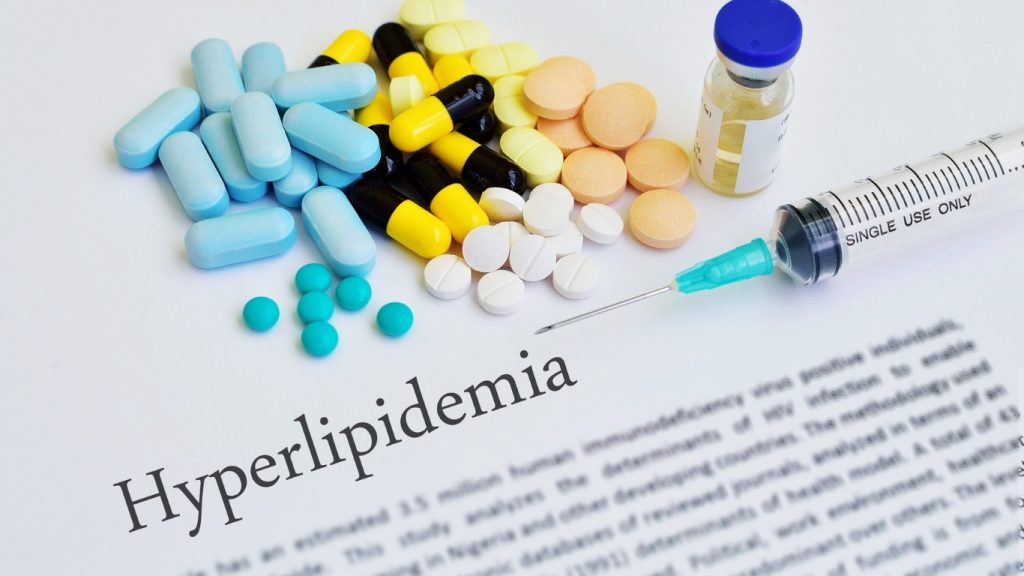
High cholesterol remains one of the most common and preventable threats to heart health in the United States, yet millions of Americans do not know their numbers or are not receiving treatment that could reduce their risk of heart attack and stroke.
High Cholesterol
Doesn’t Have to
Be Your Story.
Get the facts, know your options, and take control of your heart health.
Understand Your Options
Stay on Track
Protect Your Heart
Know Your Numbers
Understand Your Options
Stay on Track
Protect Your Heart
A patient education resource from the National Minority Quality Forum’s Lift Every Voice Patient Network, “There’s Levels to This,” is aimed at making cholesterol information easier to understand for patients and families. The resource explains the basics of LDL cholesterol, HDL cholesterol, and triglycerides, while also walking patients through medication options, lifestyle changes, insurance questions, and ways to share their health stories. It frames high cholesterol, also known as hyperlipidemia, as common but manageable when people have clear information and access to care.
The need is significant. The Centers for Disease Control and Prevention reports that about 86 million U.S. adults age 20 or older have total cholesterol levels above 200 mg/dL, and nearly 25 million have total cholesterol levels above 240 mg/dL. CDC data also show that only slightly more than half of U.S. adults who could benefit from cholesterol medicine are currently taking it.
Cholesterol itself is not the enemy. The body needs cholesterol to build cells and make hormones. The danger comes when LDL, often called “bad” cholesterol, builds up in blood vessels and contributes to plaque. Over time, that plaque can narrow arteries and raise the risk of heart disease and stroke. HDL, often called “good” cholesterol, helps carry cholesterol away from the bloodstream, while triglycerides are another type of fat in the blood that can increase cardiovascular risk when levels are too high.
Heart disease remains the leading cause of death for men, women, and people of most racial and ethnic groups in the United States. In 2023, 919,032 people died from cardiovascular disease, according to CDC data, equal to about one in every three deaths. The agency also identifies high blood cholesterol as one of the key risk factors for heart disease.
Why access and trust matter
For communities of color, cholesterol is not only a medical issue. It is also an access issue. Screening, treatment, medication affordability, food access, transportation, pharmacy availability, and trust in the health care system can all affect whether patients are diagnosed early and stay on treatment.
An American College of Cardiology summary of a national analysis found disparities in guideline-recommended statin use, including lower use among non-Hispanic Black men and non-Mexican Hispanic women in some prevention groups. The analysis noted that disparities were not fully explained by disease severity or access to resources, pointing to care processes, bias, stereotyping, and mistrust as possible contributors.
That makes patient-centered education important. “There’s Levels to This” uses plain language to explain what cholesterol numbers mean and why people should not stop medication without speaking to a clinician. The resource highlights commonly discussed goals, including LDL cholesterol below 100 mg/dL and total cholesterol below 200 mg/dL, while encouraging patients to track their progress and speak with their doctors about what targets are right for their individual risk.
Treatment options have expanded beyond one daily pill. The American Heart Association says statins are often the first medication recommended to lower LDL cholesterol, but other options may be used depending on a patient’s needs. These include ezetimibe, PCSK9 inhibitors, inclisiran and bempedoic acid, among others. Some treatments may be used with a statin to lower LDL further, and some are options for patients who have side effects or need additional support to reach their cholesterol goals.
Public health experts emphasize that medication works best when paired with ongoing care. Million Hearts, a national initiative co-led by CDC and the Centers for Medicare & Medicaid Services, says optimal cholesterol management is an important part of reducing atherosclerotic cardiovascular disease and that evidence-based treatments are available. The initiative notes that treatment protocols and decision aids can help clinical teams and patients make informed decisions that lead to fewer heart attacks and strokes.
Lifestyle changes also remain part of prevention and treatment. The “There’s Levels to This” resource encourages practical changes such as using plant-based oils instead of butter or lard, choosing high-fiber grains, baking or grilling instead of deep frying, and finding realistic ways to move more throughout the day. Its approach acknowledges that heart health advice must be culturally relevant and realistic, especially for families who want to protect their health without abandoning food traditions.
The broader message is that high cholesterol often has no warning signs, but it can be measured, treated, and managed. For patients, the first step is knowing their numbers. For health systems, insurers, and policymakers, the challenge is making sure screening, medications, and follow-up care are affordable and accessible.
As cardiovascular disease continues to affect families across the country, resources that explain cholesterol in plain language may help close the gap between diagnosis and action. For patients who have been told their cholesterol is high, the message is simple: the numbers matter, but they are not the whole story. With the right information, consistent care, and support from trusted clinicians, more people can take control of their heart health before a crisis happens.
Learn More: https://thereslevelstothis.org/
Also Read: Should I Test My Baby for High Cholesterol?
Stay Informed. Stay Empowered.
Trending Topics
Features
- Drive Toolkit
Download and distribute powerful vaccination QI resources for your community.
- Health Champions
Sign up now to support health equity and sustainable health outcomes in your community.
- Cancer Early Detection
MCED tests use a simple blood draw to screen for many kinds of cancer at once.
- PR
FYHN is a bridge connecting health information providers to BIPOC communities in a trusted environment.
- Medicare
Discover an honest look at our Medicare system.
- Alliance for Representative Clinical Trials
ARC was launched to create a network of community clinicians to diversify and bring clinical trials to communities of color and other communities that have been underrepresented.
- Reducing Patient Risk
The single most important purpose of our healthcare system is to reduce patient risk for an acute event.
- Jessica Wilson
- Subash Kafle