












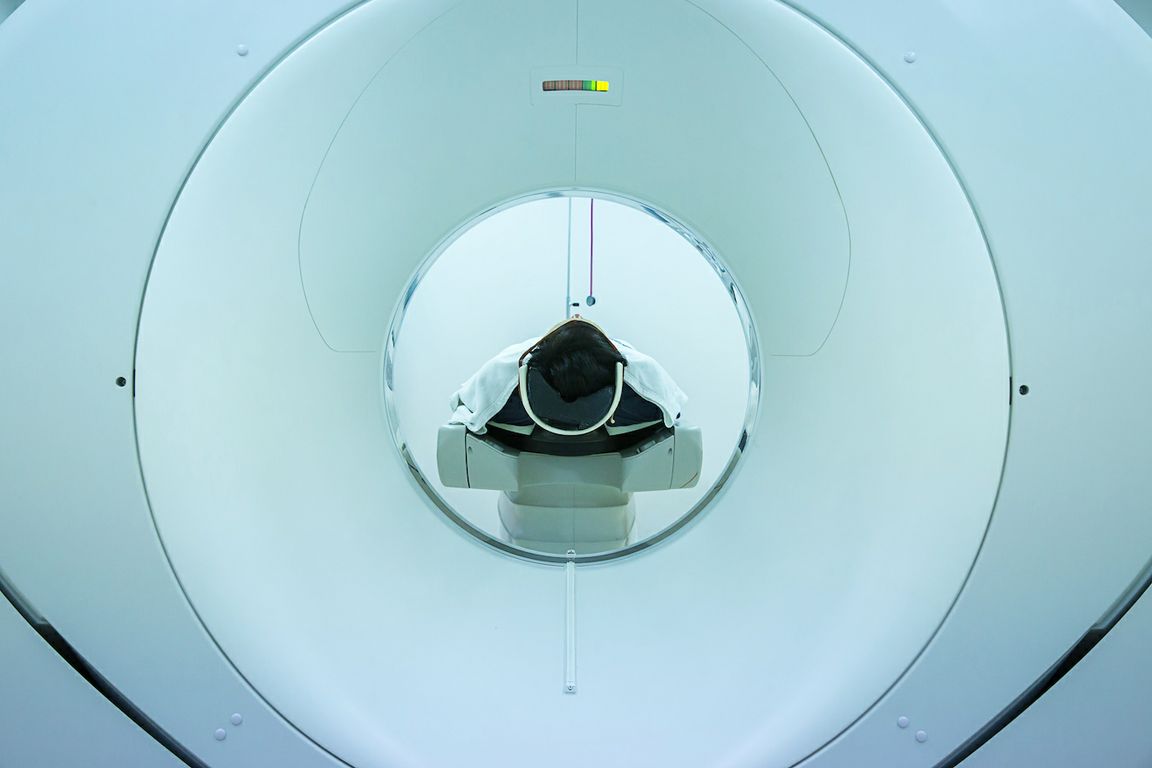
Hospitals serving large Black, Latino populations have fewer resources for cancer care

[ad_1]

Key takeaways

  • UCLA researchers looked at nearly 4,400 hospitals across the U.S., including 864 with high numbers of Black and Hispanic patients.
  • Hospitals serving Black, Hispanic and other racial and ethnic minority patients were significantly less likely than other hospitals to have access to core cancer services like PET/CT scanners, robotic surgery and palliative care.
  • The researchers say further work is need to understand how geographic, linguistic, cultural, cost and discrimination factors affect these cancer care disparities.  

Among the nation’s hospitals, those that serve high numbers of Black and Hispanic patients are far less likely to have advanced medical equipment and critical services that have been shown to boost the quality and effectiveness of cancer care, according to a study led by investigators at the UCLA Health Jonsson Comprehensive Cancer Center.

The findings, published today in JAMA Oncology, highlight the importance of ensuring accessibility across diverse health care facilities to equitable and quality care for all patients diagnosed with cancer.

“When it comes to treating people with cancer, we know adequate resources are essential for quality care,” said Dr. Gracie Himmelstein, a resident physician in the department of medicine at the David Geffen School of Medicine at UCLA and first author of the study. “And we know what hospital you go to has a big impact on sort of what care you get. A big piece of why that is has to do with the resources that are available at those hospitals.”

The researchers analyzed patient data from hospitals across the U.S. that accept Medicare and Medicaid, and they obtained hospital-reported data from the 2020 American Hospital Association Survey. Their analysis included 4,373 hospitals, 432 of which serve high numbers of Black patients and 432 that serve a large population of Hispanic patients (with 62 of these also serving a high number of Black patients).

The team looked at the availability of 34 cancer-related services at these facilities, including core services like hospice care and pain management, chemotherapy and radiation therapy, robotic surgery, diagnostic radiology, patient support groups, and tobacco-cessation programs.

They found that hospitals serving high numbers of Black, Hispanic, and other racial and ethnic minority patients were significantly less likely to offer all the core services.

Among these core services, 13 significant disparities emerged. These included access to PET/CT scanners, palliative care, esophageal cancer ablation services, several radiotherapy techniques, diagnostic radiology services, treatments like chemotherapy and robotic surgery, tobacco treatment programs, support groups and acute inpatient psychiatric consultations.

“Many of these services are indispensable for offering top-quality cancer treatment,” said senior study author Dr. Patricia Ganz, a professor of medicine at the Geffen School of Medicine and director of the Center for Cancer Prevention and Control Research at the Jonsson Cancer Center. “Access to a PET/CT machine, for instance, plays a pivotal role in precise cancer diagnosis and monitoring, while palliative care services are instrumental in improving the overall quality of life for patients. Similarly, the capability to perform ablations for esophageal cancer can significantly impact treatment outcomes and survival rates.”

The lack of tobacco treatment programs available for people of color was also surprising, Himmelstein noted, since racial and ethnic minority groups are more likely to have tobacco-related cancers.

“The study’s findings shed light on the uneven distribution of crucial resources in different health care settings, which can alter access to timely and appropriate screening, treatment planning, cancer care delivery and outcomes,” Himmelstein said.

The researchers said that further work is needed to understand the interplay between these disparities and the role of geographic, linguistic and cost barriers, as well as cultural beliefs and discrimination.

[ad_2]

Source link

Trending Topics

Features

Download and distribute powerful vaccination QI resources for your community.

Sign up now to support health equity and sustainable health outcomes in your community.

MCED tests use a simple blood draw to screen for many kinds of cancer at once.

FYHN is a bridge connecting health information providers to BIPOC communities in a trusted environment.

Discover an honest look at our Medicare system.

ARC was launched to create a network of community clinicians to diversify and bring clinical trials to communities of color and other communities that have been underrepresented.

The single most important purpose of our healthcare system is to reduce patient risk for an acute event.

Related Posts
Employers Pull Back on GLP-1 Coverage
There’s Levels to High Cholesterol
World Alzheimer’s Month: Why Starting the Conversation About Memory Matters
Scroll to Top
Featured Articles
Woman holding a GLP-1 injection pen as employers reconsider weight-loss drug coverage
Employers Pull Back on GLP-1 Coverage
There’s Levels to High Cholesterol
Alzheimer’s Awareness During World Alzheimer’s Month
World Alzheimer’s Month: Why Starting the Conversation About Memory Matters
Peptide safety and injectable wellness treatments
Peptides Are Everywhere. But Are They Safe?
Brain-Eating Amoeba Infection Leaves North Carolina Teen Critical
North Carolina Teen Hospitalized With Rare Brain-Eating Amoeba Infection
Breaking the Silence and Finding Support in the Black Man's Mind
Categories
AI
ATTR-CM
BIPOC News
Cancer
Clinical Trials
Covid19
Diseases of the Body
Environment
Health Data
Health Equity Events
Health Policy
Health Tips
Subscribe to our newsletter to receive our latest news​
All Stories
Woman holding a GLP-1 injection pen as employers reconsider weight-loss drug coverage
Employers Pull Back on GLP-1 Coverage
There’s Levels to High Cholesterol
Alzheimer’s Awareness During World Alzheimer’s Month
World Alzheimer’s Month: Why Starting the Conversation About Memory Matters
BIPOC News
There’s Levels to High Cholesterol
Alzheimer’s Awareness During World Alzheimer’s Month
World Alzheimer’s Month: Why Starting the Conversation About Memory Matters
Breaking the Silence and Finding Support in the Black Man's Mind
Environment
Gary, Indiana Tap Water Raises Health and Environmental Justice Concerns
UV Safety Awareness Month Raises Urgency on Skin Cancer Prevention and Sun Protection Equity
UV Safety Awareness Month Raises Urgency on Skin Cancer Prevention and Sun Pr...
Extreme Heat Safety Tips 5 Ways to Protect Your Health This Summer fyh.news
5 Heat Safety Tips That Could Protect Your Health This Summer
Work Force
A multigenerational Black and Hispanic family sitting together in a park, showing how Social Security helps support older adults, people with disabilities, and families across generations.
Millions of Older Americans Could Face Smaller Social Security Checks by 2032...
dreamstime_s_243253251
The Caregiver Journey: The Hidden Backbone of American Healthcare
Families gather at a Bronx community festival with live music, kids’ activities, and health booths sharing SOMOS social care resources and free screenings.
Celebrating Hispanic heritage while learning about health care

[xyz-ips snippet=”Output-Source-Name”]

Clinical Trials
Historic Cancer Leadership Milestone Highlights the Importance of Early Detection and Community Outreach
Historic Cancer Leadership Milestone Highlights the Importance of Early Detec...
House Advances Bipartisan EARLY Act Reauthorization, Renewing Focus on Early Breast Cancer Detection for Young Women
House Advances Bipartisan EARLY Act Reauthorization, Renewing Focus on Early ...
Early Cancer Detection Is Entering a New Era. Flint Is Helping Lead the Way.
Vaccines and Outbreaks
Summer COVID Surge Builds Across U.S. Fyh.news
Summer COVID Surge Builds Across U.S. as Cases Rise Again
Class I Salmonella Egg Recall What to Know Fyh.news
FDA Gives Egg Recall Highest-Risk Class I Designation Over Salmonella Outbreak
Taylor Farms Recalls Jalapeño-Containing Foods as Salmonella Outbreak Sickens 345 Across 27 States
Taylor Farms Recalls Jalapeño-Containing Foods as Salmonella Outbreak Sickens...
Other Categories
AI
Read the latest AI News stories trending around the world
ATTR-CM
Cancer
Read the latest Cancer stories trending around the world
Covid19
Diseases of the Body
Read about the latest Diseases of the Body trending around the world
Friday Webinars
Every Friday, we bring you insightful webinars covering critical topics in healthcare, data equity, and policy reform.
Health Data
Read the latest Health Data stories trending around the world
Health Equity Events
Read the best Health Equity Events around the country.
Health Policy
Read the latest Health Policy stories trending around the world
Health Tips
Heart Health
Read the latest on Heart Health News, Stories and Tips.
kidney Health
Read more trending News about Kidney Health, Stories and Tips.




