














[ad_1]

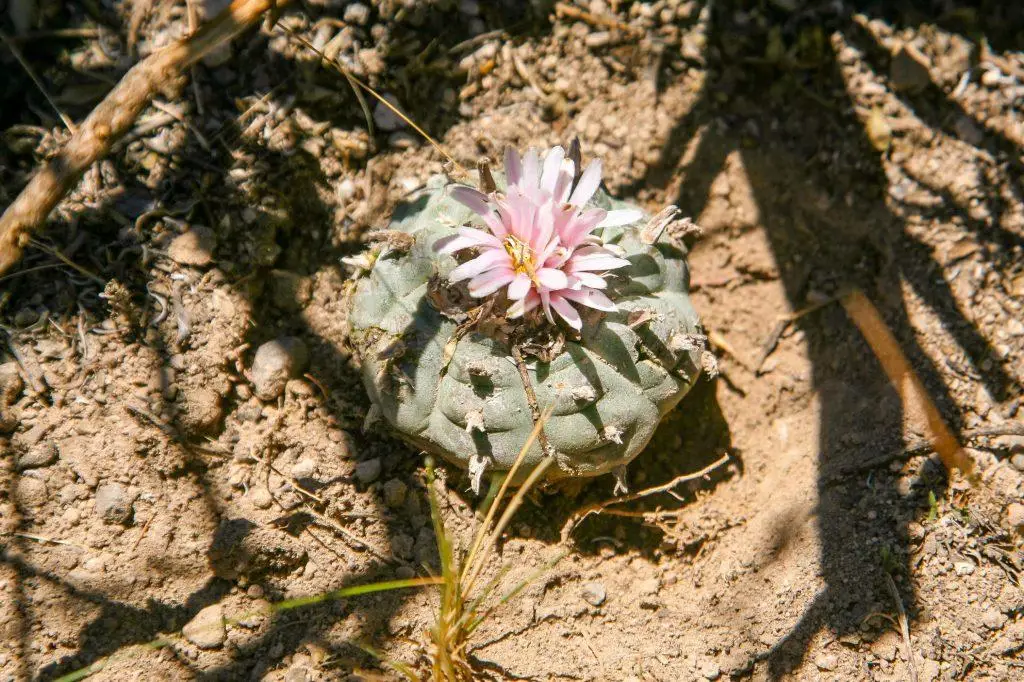
Peyote is one of five cornerstone drugs used by the Indigenous Medicine Conservation Fund … [+]
Psychedelics may offer a new paradigm in mental health treatment, but for the indigenous communities around the world who have been using medicines for plants, animals and fungi since time immemorial, the sudden rush to trade these entities is both disturbing and disruptive.
A recently launched indigenous-led non-profit organization aims to bolster indigenous communities’ efforts to preserve their traditional medicines, including ayahuasca, toadstools, iboga, peyote, and mushrooms; their access is increasingly threatened by climate change, commercialization, overfishing and cultural appropriation.
The Indigenous Medicine Conservation (IMC) Fund, established with the support of Riverstyx Foundation, Dr. Bronner’s and other seed funders, aims to raise $20 million by 2022 to support several projects aimed at protecting what it calls “keystone” drugs, drugs sacred to traditional ways of life, and healing practices of specific indigenous groups across the world. whole world.
Prioritize kinship, not transactions
Program manager Sutton King and co-director Miriam Volat recognize that as the psychedelic industry has grown, companies have become increasingly interested in consulting indigenous peoples about specific drugs, whether it be to gain knowledge, provide financial support, or both – behavior which is neither welcome nor in accordance with native protocols, which King notes are not transactional, but based on kinship.
“We have a potential problem here where we have a lot of for-profit companies that want to get into Indigenous communities and bring about ‘reciprocity,’” says King, an Indigenous rights activist, holding her fingers up like aerial quotes, “while it’s really a disguise.” is for something more transactional.We [at IMC Fund] really want to take a step back from that word, because we are still a long way from reciprocity. Reciprocity presupposes agreement, and we’re just not there yet.”
Sutton King, MPH, Afro-native of the Menominee and Oneida Nation of Wisconsin, is the native … [+]
“The speed of Silicon Valley-type capital and the speed of doing something right in an Indigenous community are very different,” said Volat, an ecologist, researcher, organizer and facilitator who is also co-director of Riverstyx Foundation.
The IMC fund, King says, is an access and benefit-sharing resource for Indigenous organizations and initiatives, as well as an educational resource for financiers in the psychedelic sector that captures the ethical considerations of benefit-sharing.
Supporting Indigenous-led Conservation and Protectionn
“Community leaders said they needed financial support, strengthen their cultural structures, and need help to deal with all these different organizations, to be prepared for the onslaught of interest in their cultures and medicines,” Volat says. “They needed a body that wasn’t transactive.”
The fund therefore never asks for knowledge — only what is needed to help with the allocation of the money, she says.
“One of the most important parts is to enable the elderly and traditional knowledge-keeping communities to have a way to guide that interface and right relationship without being deeply disturbed by the process.”
The IMC Fund has a complex governance structure and supports more than 20 different projects, including the Indigenous Peyote Conservation Initiative (IPCI). Volat recently helped transplant several hundred peyote heads from a garden in Canada to their new home for IPCI protection. Blessings of the Forest, an organization that enables Bwiti communities in West Africa to plant iboga, is also supported by the IMC Fund.
Another project in the fund’s original suite is the Yaqui Clinic, located in Mexico’s Sonoran Desert. There, the Yaqui are working to build their own culturally tailored health care system that uses herbal medicines like peyote and ayahuasca to address alcoholism and depression. The Yaqui also prioritize the preservation of the Incilius alvarius toad, which is threatened by the increased demand for 5-MeO-DMT.
Sharing benefits, education and a chance for change
In addition to the opportunity to support indigenous communities who consider these drugs sacred, Volat and King say the fund also provides an opportunity to do things differently. Benefit sharing, King says, is an honor, not a concept that should raise the question, “what do I get from this?”
“We are at a critical point where it can no longer be business as usual,” she says. “It is an honor to support indigenous-led conservation. Investing does not equal access to cultural and traditional peoples… just because you give to the fund doesn’t mean you can stick the fund’s logo anywhere on your website and say you’re reciprocating.”
Miriam Volat, MS, is a researcher, educator, organizer, facilitator and ecologist. She works … [+]
Volat adds, “We are literally working to make the psychedelic movement another highly damaging colonial intervention that can cause massive ecological and cultural damage that will last for generations, and the repair processes that are already standing in the way of these communities, can become. in after 400 years of colonialism. We have the opportunity to do this right — the interface between mainstreaming these drugs for relieving trauma, without causing more trauma in these cornerstone communities.”
One of the most important public projects of the IMC Fund is Grow Medicine, an online platform and future app that serves two purposes. First, it educates about the five cornerstones of medicine that the fund supports; and second, it gives visitors the opportunity to share the benefits they have received from plant, animal and fungal medicine by donating to their biocultural conservation.
“It’s like a sustainable food guide, providing information about the impact of its use on the territory and culture,” Volat says. “It is also a direct place to practice the art of generosity and take the credit for sharing the benefits with these communities.”
[ad_2]
Source link



