












[ad_1]
The singular focus on COVID since March 2020 has meant a decline in availability of certain prescription drugs. In a conversation with Pharma Commerce, Leslie Lotano-Saba, VP of Pharmacy Solutions at management consultant AArete, sizes up the problem and discusses the main factors driving these shortfalls, along with the class of medicines hardest hit.
Pharma Commerce: Are the prescription drug shortages experienced by pharmacies solely due to supply chain issues?
Leslie Lotano-Saba:As with many other sectors, the pandemic has stressed the pharmacy industry. This generally boils down to two key issues, supply and demand. Under the heading of supply—specifically product and people resources—many manufacturers depend on other countries for raw materials. With a global pandemic, that naturally caused issues. Some pharmaceutical manufacturer plants shut down to prevent the spread of COVID, other companies in the drug supply chain shifted from producing certain drugs to focus their efforts on vaccine development or other drugs in high demand due to COVID—antibiotics, inhalers, cough and cold remedies, vitamins, etc. Shipping container delays held up arrivals. Upon arrival, there were then further delays due to truck driver shortages.
What about the demand issues?
There was generalized panic at the onset of the pandemic, causing wild spikes in demand. The common reaction was, “Stockpile my meds as they might not always be available!” Then certain restrictions were modified or lifted as part of the public health emergency, which actually allowed more stockpiling—for example, “refill-too-soon” edits (restrictions on early refills) were relaxed, thus allowing early refills. At the start of the pandemic, we saw an immediate reduction in the use of medical services and some drugs. Then drug utilization jumped back up, faster than other healthcare services. Some of this demand was for drugs to treat COVID-related illness—antibiotics, inhalers, cough and cold, etc. As more people got vaccinated and medical offices started re-opening, people began catching up on the tests and treatments for conditions that they had put on hold for a while. Pharmacy inventories got out of whack by the uneven demand, and that, coupled with distribution issues (shipping, trucking, etc.) added to the shortages. As the pandemic progressed, the shortages caused strain on the whole system.
Many health-related businesses have experienced staffing stress with the pandemic…
Yes, fluctuating pharmacy staff shortages on top of the supply and demand issues we’ve just discussed were another factor in throwing off drug inventories. Pharmacies experienced added workloads for vaccine testing and administration. This, on top of the mass spread of the virus, which caused staffing shortages due to sickness, pressured some pharmacies to reduce their hours or even close completely. Errors are likely to increase with limited staff, causing more strain on the skeleton crew as they play many roles within the pharmacy setting.
How long do you foresee that these drug shortages will persist?
It’s likely that the problem will persist for as long as the supply chain issues exist. The key is that everybody—the Pharmacy Benefit Managers, pharmacies and payers—must all come together to develop innovative solutions that bolster resilience within the supply chain, whether raw materials sourcing, manufacturing, logistics, dispensing limits or any of the other nodes.
How are you working on this issue with your clients?
Our first line of defense has been looking at ways to help health plans to address the impact of shortages on members and costs. Extensive analysis can be done to assess member utilization and pharmacy dispensing patterns, benefit design and cost. For instance, looking at system edits to see if they’re working appropriately to encourage or block overutilization of certain drugs, taking a closer look at high-cost specialty drugs, or analyzing networks, to name a few. At the same time, pharmacies need to consider modifying their work environments and optimizing technology to reduce the stress and burnout of staff. They should also consider adding ancillary support to take some of the administrative tasks off the pharmacists. Pharmacy Benefit Managers and pharmacy groups can advocate with State Boards of Pharmacy to modify antiquated rules and provide pharmacies with flexibility in staffing and hours, with mid-day breaks. These are some of the key issues and questions we keep top of mind when developing a strategic response to the situation.
Have you seen any particular drugs or classes of drugs that have been affected more than most by the shortages?
While there have been other drug shortages, Adderall and other drugs for ADHD are in short supply due to supply and demand, plus a few other reasons. On the demand side, ADHD diagnoses have been on the rise for more than 10 years, not only for children but adults as well. It’s been reported that there has been a COVID tipping point—a spike in ADHD diagnoses because of remote learning, with symptoms more noticeable by parents. On the supply side, these drugs are controlled substances and have additional government restrictions in terms of manufacturer allotments of raw ingredients and production quotas.Generics are generally preferred over branded drugs by health plans. Patients now have to wait for generics, or else request an override to get the brand name drugs instead. Additionally, for Adderall in particular, several manufacturers of generics have discontinued production of immediate-release products, as the standard of treatment transitions to long-acting products.
There are regulatory and market issues as well. Some state laws preclude partial fills of controlled substances, so a pharmacy can’t spread out the supply to support multiple patients—the entire quantity must be dispensed at once. Also, black market demand diverts some of the supply to illicit sales and use.
Does the problem point to the need for a radical rethink of sourcing, shift in manufacturing geographies, distribution or other?
Plans and Pharmacy Benefit Managers should consider actions like temporarily eliminating 90-day supplies of medications, or only paying for 60-day supply, but making it financially neutral for the patient and the pharmacy. Pharmacies could stop auto refills. Digital reminders can make patients more aware of what they have on hand and the timeliness of their refill. Pharmacy Benefit Managers could tighten up refill-too-soon edits where possible. Pharmacy Benefit Managers can work together to modify the process to make it accessible but financially neutral to all parties. By having a 90-day supply, you’re paying one dispensing fee to the pharmacy and charging one copay from the patient. If you eliminate 90-day fills or reduce to 60 days, you need to adjust these to make it financially neutral.
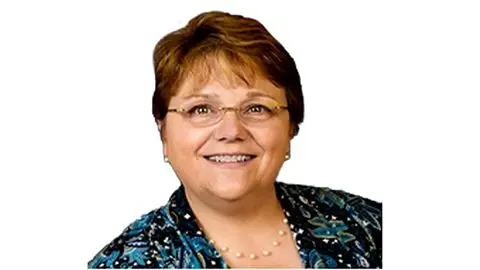
Leslie Lotano-Saba, RPh, MS (llotano-saba@aarete.com) is Vice President of Pharmacy Solutions at global management consultancy AArete.
[ad_2]
Source link
Trending Topics

Features
- Drive Toolkit
Download and distribute powerful vaccination QI resources for your community.
- Health Champions
Sign up now to support health equity and sustainable health outcomes in your community.
- Cancer Early Detection
MCED tests use a simple blood draw to screen for many kinds of cancer at once.
- PR
FYHN is a bridge connecting health information providers to BIPOC communities in a trusted environment.
- Medicare
Discover an honest look at our Medicare system.
- Alliance for Representative Clinical Trials
ARC was launched to create a network of community clinicians to diversify and bring clinical trials to communities of color and other communities that have been underrepresented.
- Reducing Patient Risk
The single most important purpose of our healthcare system is to reduce patient risk for an acute event.
- Jessica Wilson
- Jessica Wilson



