









- By FYH News Team
[ad_1]
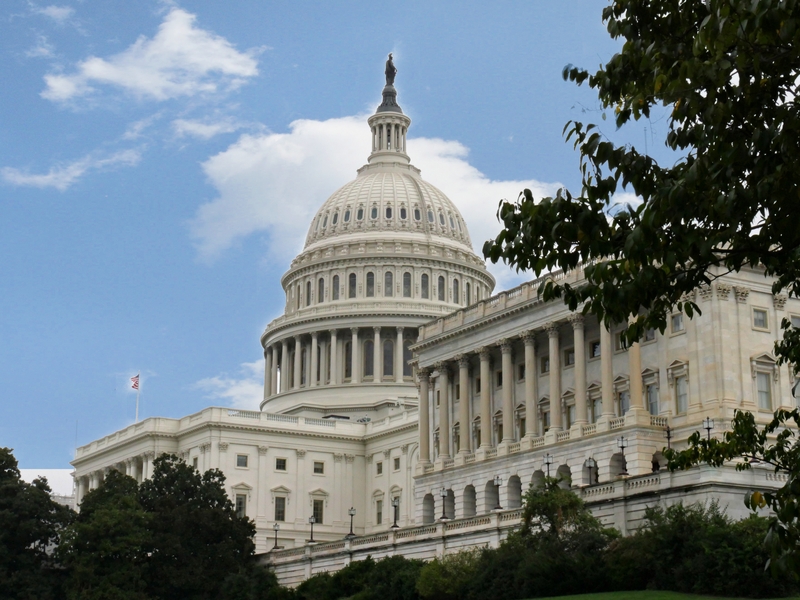
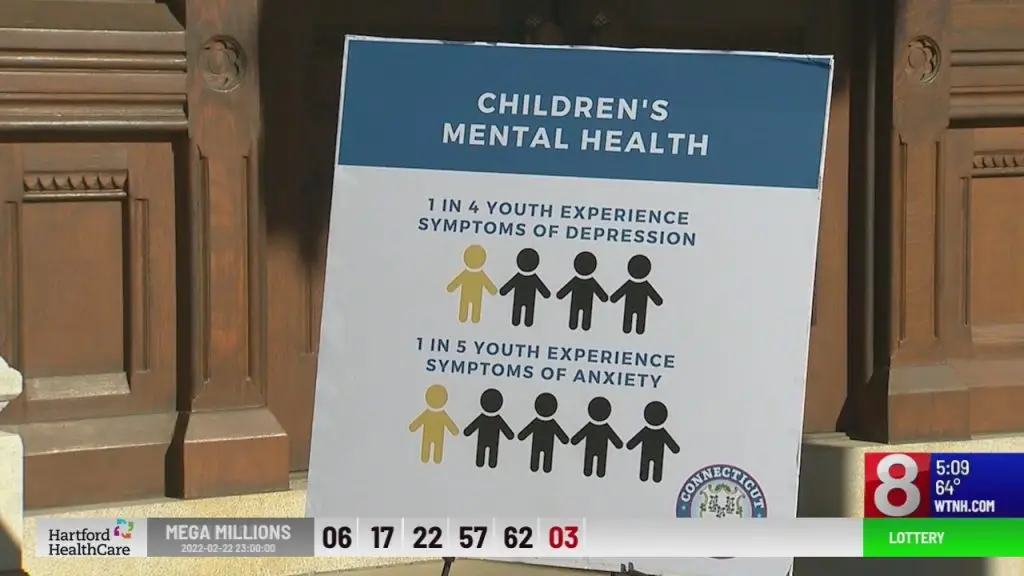
HARTFORD, Conn. (WTNH) — Lawmakers at the state Capitol say fixing the broken youth mental health system will take center stage during this year’s short legislative session.
The governor and lawmakers say they are prepared to invest hundreds of millions of dollars into a comprehensive package to deal with gaps in a broken system.
Lawmakers have heard stories of children sleeping in cots in the hospital hallway for days as they await a bed, room, and medical plan for dealing with a mental health break.
“It’s unacceptable,” Senate Minority Leader Kevin Kelly (R-Stratford) said. “You would think you’d be able to access the best and quality mental health services anywhere in the country.”
“But this didn’t start with COVID,” State Rep. Liz Linehan (D-Cheshire, Southington, Wallingford) said. “This has been a problem that’s been ramping up now for a decade. And COVID then came in and exacerbated it and really exposed gaps in the system. Gaps in coverage. How not everybody knows where to go for help.”
Lawmakers from all four caucuses have held press conferences touting their plans for fixing a broken youth mental health system.
“Historic changes do not happen often when it is one-sided,” State Rep. Matt Ritter said.
Among the ideas:
- Increase Access to care
- Address System Capacity
- More Affordable care
- Increase Funding for school social workers
- Increase access to telehealth
It’s estimated that 31.5% of Connecticut residents live in a mental health provider shortage area, according to USA Facts.
Lawmakers are trying to create options to recruit more therapists. Ideas also include:
- Tuition reimbursement
- Certification flexibility
- More mobile mental health units
- Require social networks parental consent before activating accounts for kids under 16
- Family Care Coordinator
“That’s a school-based resource that would follow a child and also assist the family in finding these resources,” Kelly said.
“I’ve heard from some parents, too, that it’s been very difficult,” Linehan said. “Their child will end up in the emergency room. Eventually, they’ll get some sort of placement, and then for whatever reason, the kid is kicked out of the program, and the bridge to the next thing is not adequate. So, they end up back in the ER.”
Disengaged youth who miss at least 25 days of school a year have at least two suspensions or expulsions. Psychology Interjurisdictional Compact (PSYPACT) is an interstate compact allowing licensed psychologists to practice telepsychology across state boundaries. Connecticut would join the 26 other states.
Democratic Gov. Ned Lamont supports this and proposes joining the physician’s 34-state Interstate Medical Licensing Compact (IMLC).
“With mental health, going to an inpatient psychiatric facility is a stabilization program,” Linehan said. “And the real work happens once you get home.”
Lawmakers agree somebody suffering from mental health issues can be paralyzed, in crisis, and in need of immediate intervention.
“And so they’re having difficulty getting through day to day, hour to hour, moment to moment, and to be told, you are going to have to wait a month,” Kelly said. “That’s a very difficult thing for somebody to digest. That’s an unbelievable burden to be placed on a fellow human being. And I think as a state and as a government, we can and must do better.”
All agree there is funding available through the American Rescue Plan. Long-term funding, however, will be an issue.
[ad_2]
Source link
Trending Topics
Features
- Drive Toolkit
Download and distribute powerful vaccination QI resources for your community.
- Health Champions
Sign up now to support health equity and sustainable health outcomes in your community.
- Cancer Early Detection
MCED tests use a simple blood draw to screen for many kinds of cancer at once.
- PR
FYHN is a bridge connecting health information providers to BIPOC communities in a trusted environment.
- Medicare
Discover an honest look at our Medicare system.
- Alliance for Representative Clinical Trials
ARC was launched to create a network of community clinicians to diversify and bring clinical trials to communities of color and other communities that have been underrepresented.
- Reducing Patient Risk
The single most important purpose of our healthcare system is to reduce patient risk for an acute event.
- Victor Mejia
- Jessica Wilson
- Jessica Wilson