The "Chilling Effect" Returns: New Public Charge Rule Threatens Health Coverage for Millions of Immigrant Families
Millions of immigrant families to forgo essential healthcare due to fears over public charge immigration policy changes.

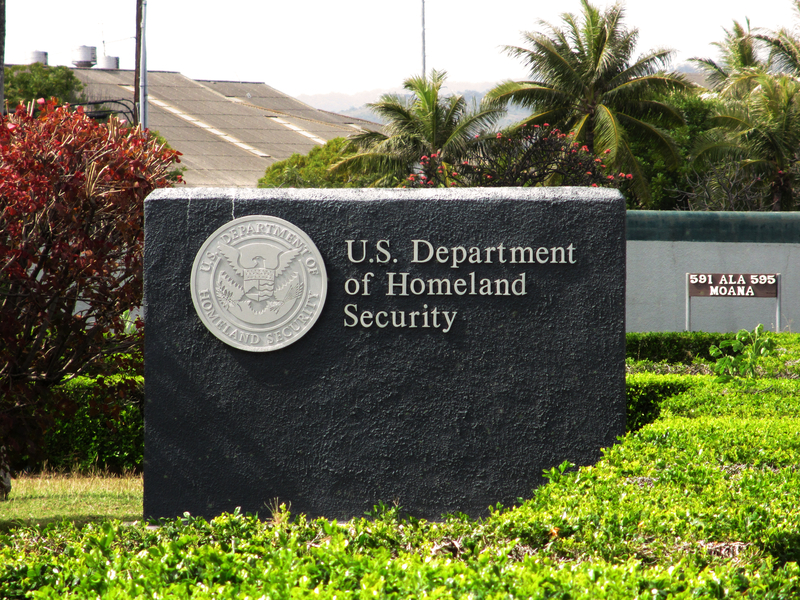
The Department of Homeland Security has released a proposed rule that would significantly alter how public charge determinations are made, potentially resulting in millions of people losing access to health coverage. By rescinding regulations established during the Biden administration in 2022, the new policy seeks to provide immigration officers with broad discretion to consider a personโ€™s use of public benefits, including Medicaid and the Childrenโ€™s Health Insurance Program (CHIP), when evaluating their eligibility for legal permanent residency or entry into the United States. This shift moves away from the previous “bright line” standard that excluded non-cash benefits, raising concerns among health experts and immigrant advocates about a widespread “chilling effect” on participation in essential support programs.


According to research from KFF, the impact of these changes could be profound, with estimates suggesting that between 1.3 million and 4.0 million people could disenroll from Medicaid or CHIP. This group includes a significant number of U.S. citizen children living in immigrant households, with projections ranging from 600,000 to 1.8 million children potentially losing coverage. These figures do not account for those who are eligible but may now forgo enrolling altogether due to fear or confusion regarding their immigration status. Currently, approximately 13.4 million Medicaid or CHIP enrollees live in households with at least one noncitizen, highlighting the scale of the population that may feel the repercussions of this policy shift.


The history of public charge policy suggests that even those who are not legally subject to the rule may withdraw from programs out of caution. During the first Trump administration, a 2019 rule change led to a noticeable decline in participation among low-income U.S. citizen children with noncitizen household members. Research found that participation in Medicaid and CHIP for these children fell by 18% between 2016 and 2019, a rate twice as high as that seen in citizen-only households. Although the Biden administration attempted to mitigate these effects by codifying field guidance that excluded most non-cash programs in 2022, recent data indicates that fear has persisted and is once again on the rise.



Health Equity and Economic Consequences

The proposed regulations arrive at a time of heightened anxiety for immigrant communities. A 2025 survey conducted by KFF and the New York Times found that 41% of immigrant adults worry that they or a family member could be detained or deported, while 30% have limited their daily activities to avoid drawing attention to their status. Furthermore, nearly 20% of immigrant adults reported skipping or postponing medical care in the past year due to immigration-related concerns. This climate of fear is being amplified by a recent notice from the Centers for Medicare and Medicaid Services (CMS) stating it will begin sharing state-received data with Immigration and Customs Enforcement (ICE), a move that researchers say further deters enrollment.


The consequences of mass disenrollment extend beyond individual families to the broader public health and economic landscape. DHS itself has acknowledged that the rule could lead to worse health outcomes, increased emergency room usage, and a higher prevalence of communicable diseases. From a health equity perspective, these changes disproportionately affect communities of color, as one in four children in the United States lives in a family with at least one immigrant parent. Reduced access to nutrition assistance and healthcare threatens the long-term development and financial stability of these families while simultaneously increasing uncompensated care costs for hospitals and clinics.


In addition to the immediate health risks, the policy is expected to create negative spillover effects on the workforce and community stability. Reductions in health coverage and other supports can lead to increased poverty, housing instability, and lower educational attainment for the next generation. Providers may face lost revenue, and the broader economy could see reduced productivity as families lose the resources necessary to maintain their health and well-being. These findings are based on the sources provided, which detail a policy environment as of December 2025; you may wish to independently verify if these proposed changes have since been finalized or further amended.



The proposed rule represents a fundamental shift in how the United States balances its immigration priorities with its commitment to public health. While the Department of Homeland Security intends for these measures to reduce reliance on public resources, the broad discretion granted to immigration officers creates a complex landscape for families to navigate. As advocates and health systems prepare for the potential fallout, the focus remains on the millions of individuals whose access to care hangs in the balance of a changing regulatory environment.


Stay Informed. Stay Empowered.

Trending Topics

Features

Download and distribute powerful vaccination QI resources for your community.

Sign up now to support health equity and sustainable health outcomes in your community.

MCED tests use a simple blood draw to screen for many kinds of cancer at once.

FYHN is a bridge connecting health information providers to BIPOC communities in a trusted environment.

Discover an honest look at our Medicare system.

ARC was launched to create a network of community clinicians to diversify and bring clinical trials to communities of color and other communities that have been underrepresented.

The single most important purpose of our healthcare system is to reduce patient risk for an acute event.

Related Posts
PCOS to PMOS: Why the 2026 Name Change Matters for Womenโ€™s Health

At NMQF Leadership Summit Day 2, Leaders Put Access, Affordability and Trust at the Center of Health Equity
Lupus Awareness Month Highlights Ongoing Gaps in Clinical Trials for Black and Brown Communities
Scroll to Top
Featured Articles
dreamstime_s_174488289
PCOS to PMOS: Why the 2026 Name Change Matters for Womenโ€™s Health

NMQF Leadership Summit Day 2 Highlights Access and Access
At NMQF Leadership Summit Day 2, Leaders Put Access, Affordability and Trust ...
Lupus Awareness Month Highlights Ongoing Gaps in Clinical Trials for Black and Brown Communities
Lupus Awareness Month Highlights Ongoing Gaps in Clinical Trials for Black an...
A close-up of a healthcare providerโ€™s hands holding a patientโ€™s hand, representing compassionate care and the importance of heart health screenings in minority communities.
ATTR-CM - Finding Answers for a Hidden Heart Condition
NMQF 2026 Summit Day 1 Highlights Health Access
NMQF Leadership Summit Opens With Call to Turn Health Equity Into Action
GLP-1 Weight Loss Drug Coverage Cuts Backlash Massachusetts
Massachusetts Faces Backlash Over Proposed Cuts to Obesity Treatment Coverage
Categories
AI
ATTR-CM
BIPOC News
Cancer
Clinical Trials
Covid19
Diseases of the Body
Environment
Health Data
Health Equity Events
Health Policy
Health Tips
Subscribe to our newsletter to receive our latest newsโ€‹
All Stories
dreamstime_s_174488289
PCOS to PMOS: Why the 2026 Name Change Matters for Womenโ€™s Health

NMQF Leadership Summit Day 2 Highlights Access and Access
At NMQF Leadership Summit Day 2, Leaders Put Access, Affordability and Trust ...
Lupus Awareness Month Highlights Ongoing Gaps in Clinical Trials for Black and Brown Communities
Lupus Awareness Month Highlights Ongoing Gaps in Clinical Trials for Black an...
BIPOC News
dreamstime_s_174488289
PCOS to PMOS: Why the 2026 Name Change Matters for Womenโ€™s Health

Lupus Awareness Month Highlights Ongoing Gaps in Clinical Trials for Black and Brown Communities
Lupus Awareness Month Highlights Ongoing Gaps in Clinical Trials for Black an...
Black Women Are Still Dying in Childbirth. Midwives May Hold Part of the Answer.
Environment
Microplastics in Water Fyh.news
HHS and EPA Launch Landmark Initiatives for Microplastics-Free Drinking Water
69c2f4108da0f.image_.jpg
Organizers assist homeless amidst record heat | City News

thefoothillsfocus

Public health scientist collecting wastewater sample to test for viral concentrations as part of community disease surveillance in the United States.
What Wastewater Testing Reveals About Viruses Spreading in Your Community
Work Force
dreamstime_s_243253251
The Caregiver Journey: The Hidden Backbone of American Healthcare
Families gather at a Bronx community festival with live music, kidsโ€™ activities, and health booths sharing SOMOS social care resources and free screenings.
Celebrating Hispanic heritage while learning about health care

msn

Racial/Ethnic Minorities have Greater Declines in Sleep Duration with Higher Risk of Cardiometabolic Disease
Racial/Ethnic Minorities have Greater Declines in Sleep Duration with Higher ...

pubmed

Clinical Trials
dreamstime_s_174488289
PCOS to PMOS: Why the 2026 Name Change Matters for Womenโ€™s Health

Lupus Awareness Month Highlights Ongoing Gaps in Clinical Trials for Black and Brown Communities
Lupus Awareness Month Highlights Ongoing Gaps in Clinical Trials for Black an...
Black Family Wellness Expo 2026 Atlanta
Black Family Wellness Expo Brings Healing, Resources, and Community Together
Vaccines and Outbreaks
Measles Outbreaks Surge: Essential Facts and Prevention Strategies
U.S. measles cases 2026: Outbreaks Spread as MMR Coverage
2026 Measles Spike: U.S. Cases Rise Fast as Outbreaks Grow
the importance of childhood immunization and public health
When Childhood Vaccines Become a Personal Choice, Public Health Pays the Price
Other Categories
AI
Read the latest AI News stories trending around the world
ATTR-CM
Cancer
Read the latest Cancer stories trending around the world
Covid19
Diseases of the Body
Read about the latest Diseases of the Body trending around the world
Friday Webinars
Every Friday, we bring you insightful webinars covering critical topics in healthcare, data equity, and policy reform.
Health Data
Read the latest Health Data stories trending around the world
Health Equity Events
Read the best Health Equity Events around the country.
Health Policy
Read the latest Health Policy stories trending around the world
Health Tips
Heart Health
Read the latest on Heart Health News, Stories and Tips.
kidney Health
Read more trending News about Kidney Health, Stories and Tips.