













[ad_1]
Mar. 22—Cancer, in all of its forms, is a public health concern responsible for more than 8 million deaths each year in the United States.
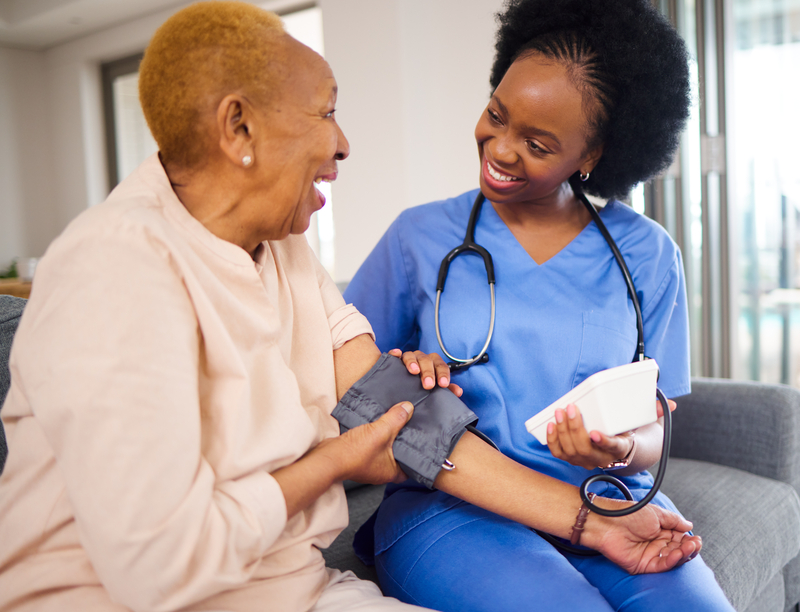
In addition to its effect on patients and the health care system in general, cancer also places a burden on non-professional caregivers such as family members and friends. This can be especially true for the Hispanic population, where communication barriers, financial difficulties and sociocultural issues can be significant, a news release said.
In a recently published review article, Jasbir Bisht, a cytogenetic technologist for the Department of Pediatrics-Genetics Unit at the Texas Tech University Health Sciences Center School of Medicine, and a team from P. Hemachandra Reddy’s internal medicine laboratory at TTUHSC analyzed the impact of cancer in Hispanics in comparison to other ethnic groups. Their study focused on the status and needs of those who serve as caregivers, particularly informal caregivers such as family members or friends.
The article, “Caregivers with Cancer Patients: Focus on Hispanics,” was published in January by Cancers, an open access journal of oncology. The research team, which was led by Reddy, also included TTUHSC research aide Priyanka Rawat and Ujala Sehar, Ph.D., a post-doctoral researcher for the Reddy Laboratory.
The Hispanic community is generally considered to be the second largest in the U.S., though 2022 estimates say Hispanic or Latino residents have likely surpassed non-Hispanic whites as the predominant population. Because the Hispanic population continues to expand, Bisht said the study used the total number of cancer patients gleaned from the 2020 census data and estimated the number of new cancer patients through 2022.
“We estimated 126,000 new cases are being diagnosed yearly in Hispanics,” Bisht said in the release. “A more significant number of patients means more caregiving burden is placed upon the immediate family members and friends.”
When compared to other major racial and ethnic groups, the Hispanic population has the highest prevalence of some important and potentially modifiable cancer risk factors, including type 2 diabetes mellitus and obesity. Hispanics also are more frequently diagnosed with advanced stages of cancer and have a lower quality of life after receiving a cancer diagnosis than non-Hispanic whites.
Multiple factors can significantly affect the prognosis of cancer in Hispanics. However, oncology researchers have typically focused on the behavioral and psychosocial aspects of non-Hispanic whites, while any understanding of the complex array of prognostic variables in Hispanics is limited. For this reason, the authors of the article sought to provide insight about the obstacles facing Hispanic cancer patients and their caregivers. These issues include:
Socioeconomic status, which affects cancer risk factors such as physical inactivity, tobacco usage, lack of adequate nourishment and obesity. Other socioeconomic factors include a lack of health insurance, low incomes and elevated poverty rates, which have been linked to late-stage cancer diagnosis and lower cancer survival rates.
Cultural differences, which can impact a Hispanic patient’s physical, psychological, social and spiritual well-being. Family and religious faith also play a significant role in Hispanic culture.
Linguistic barriers, which often result in Hispanics (and other ethnic and minority groups) receiving lower-quality health care services, makes them less likely to undergo routine medical procedures and leads to higher rates of morbidity and mortality, the release said. It also creates a general mistrust of physicians and other health care providers.
Comorbidities such as type 2 diabetes mellitus (the rates of which are two to five times higher than non-Hispanic whites), obesity and hypertension. Obesity and being overweight are directly related to an increased risk of colon, rectum and breast cancer. Visceral obesity, where the fat encases organs deep inside the belly, also is believed to be associated with colorectal cancer and potentially increases the risk of pancreatic, endometrial and postmenopausal breast cancer.
Reddy said his laboratory focuses on caregiving for cancer patients in Hispanic communities to create an understanding of the burden faced by caregivers. This is especially important now because many cancer treatments take place in an outpatient setting rather than a hospital, which has significantly increased the burden on immediate family members and friends in caring for cancer patients.
“This review can help Hispanic community caregivers in many ways, especially in coping with their situation while caring for cancer patients,” Reddy said. “We have given many suggestions, such as self-care as a way for caregivers to handle anxiety, depression and stress, and how to maintain or upgrade to a healthier lifestyle.”
Currently, members of the Reddy Laboratory are actively investigating issues faced by caregivers of patients with dementia, diabetes, obesity, hypertension and other comorbidities. Bisht said he appreciates the support and encouragement he has received from the Reddy Laboratory and from TTUHSC leadership in conducting these reviews because they can help improve health care in our communities.
“Hopefully our article and on-going work can be used by health care professionals, physicians and policy makers in state and federal agencies,” Bisht added. “We hope to address some of these issues and improve the situations for all patients and their caregivers.”
[ad_2]
Source link
Trending Topics
Features
- Drive Toolkit
Download and distribute powerful vaccination QI resources for your community.
- Health Champions
Sign up now to support health equity and sustainable health outcomes in your community.
- Cancer Early Detection
MCED tests use a simple blood draw to screen for many kinds of cancer at once.
- PR
FYHN is a bridge connecting health information providers to BIPOC communities in a trusted environment.
- Medicare
Discover an honest look at our Medicare system.
- Alliance for Representative Clinical Trials
ARC was launched to create a network of community clinicians to diversify and bring clinical trials to communities of color and other communities that have been underrepresented.
- Reducing Patient Risk
The single most important purpose of our healthcare system is to reduce patient risk for an acute event.
- Jessica Wilson
- Subash Kafle