












- By Jessica Wilson
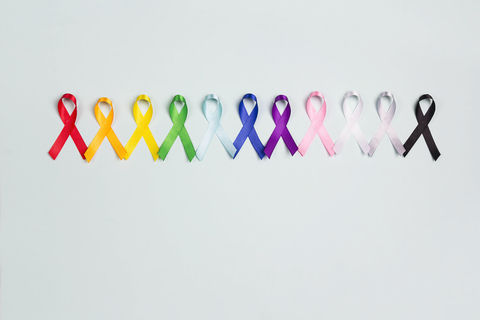
September brings attention to several cancers that affect children, adults and families across the United States, including prostate cancer, ovarian cancer, thyroid cancer, childhood cancer and blood cancers such as leukemia, lymphoma and myeloma. For communities of color, these awareness efforts carry an added urgency: cancer disparities are not limited to who develops cancer, but also include when cancer is diagnosed, whether patients can access high-quality treatment and whether communities have the information and resources needed to act early.
The National Minority Quality Forum (NMQF) works throughout the year to address these gaps through research, education, community engagement and advocacy. Its cancer work is grounded in a central goal: shifting cancer detection and treatment from later stages to earlier stages, when treatment can be more effective and patients have greater opportunities for better outcomes. Through its Cancer Stage Shifting Initiative (CSSI), NMQF focuses particularly on improving cancer outcomes in medically underserved and historically marginalized communities.
September’s cancer observances provide an opportunity to look more closely at cancers that can be overlooked and at the populations that continue to face unequal burdens of disease.
Prostate cancer is one of the most important September awareness issues for Black communities. The National Cancer Institute reports that Black men have the highest prostate cancer mortality rate among racial and ethnic groups in the United States. Current NCI data show a prostate cancer mortality rate of 37.2 deaths per 100,000 Black men, compared with 18.1 deaths per 100,000 White men. NCI also reports that Black men experience prostate cancer at higher rates and are more likely to die from the disease. Those differences make education about risk, screening conversations and access to timely follow-up particularly important. NMQF has a long history of using cancer data to identify disparities by race, ethnicity, geography and other factors. Its cancer indices have included prostate, lung, breast and other cancers, providing information that can help researchers, advocates and communities understand where cancer burdens are concentrated and where resources may be needed.
September also recognizes ovarian and other gynecologic cancers. These cancers can be particularly challenging because symptoms may be nonspecific and there is no routine screening test for ovarian cancer for women at average risk. The American Cancer Society notes that ovarian cancer incidence and mortality have declined over the past several decades, but the disease continues to affect thousands of women each year.
For NMQF, the broader lesson is that awareness must extend beyond simply naming a cancer. Education should help people understand their risk, recognize changes in their health, know which screening tests are recommended for them and understand what questions to ask a health professional. NMQF’s Cancer Stage Shifting Initiative was created around this larger approach, combining community engagement, early detection, research, data and efforts to improve access to cancer care.
Childhood cancer is another major September focus. The American Cancer Society estimates that about 9,680 children in the United States will be diagnosed with cancer in 2026. While approximately 85% of children with cancer now survive at least five years, outcomes vary by cancer type and other factors. Unlike many adult cancers, childhood cancers often cannot be prevented through changes in lifestyle because many are linked to DNA changes that occur early in life. September is also recognized as Blood Cancer Awareness Month, drawing attention to leukemia, lymphoma, myeloma and other blood cancers. The Leukemia & Lymphoma Society estimates that nearly 1.7 million people in the United States are living with or in remission from blood cancer. NMQF has partnered with the organization on community education, including a 2025 blood cancer education program in Birmingham that connected residents with health screenings and cancer information.
Thyroid cancer rounds out another important September awareness effort. The American Cancer Society estimates that 45,240 people will be diagnosed with thyroid cancer in 2026 and 2,320 will die from the disease. Thyroid cancer is diagnosed more often in women than men, and its incidence is substantially lower among Black people than among other racial and ethnic groups.
While the cancers recognized in September differ, they share a common public health challenge: awareness is only useful when it leads to informed action and equitable access to care. The American Cancer Society estimates that 44% of the cancer deaths projected for 2026 could potentially be prevented because they are attributable to modifiable risk factors, while cancer screening can prevent thousands of additional deaths. That prevention and early-detection message is central to NMQF’s cancer work. In 2025, the organization launched a major phase of CSSI in Houston’s Fifth Ward, beginning community recruitment for a longitudinal cancer study designed to examine early detection, intervention and structural barriers to care. The initiative plans to expand to 20 communities and ultimately enroll 100,000 participants over five years.
NMQF’s work also extends to communities such as Flint, Michigan, where its cancer initiatives have combined community conversations, screenings, education and resources. The organization’s 2026 Flint Forward Cancer Community Townhall and Mini Clinic, for example, is designed to connect residents with early-detection information and trusted health resources while addressing concerns about environmental exposures and long-standing health inequities.
The need for this community-centered approach is underscored by national cancer data. NCI reports that cancer mortality remains highest among non-Hispanic Black men, while disparities persist across multiple cancer types and populations. These differences cannot be addressed by awareness campaigns alone; they require sustained attention to screening access, affordability, transportation, clinical research participation, treatment quality, environmental conditions and trust in the health system. As September brings renewed attention to prostate, ovarian, childhood, blood and thyroid cancers, NMQF’s role is to help turn awareness into action. Through data, research, education, community partnerships and advocacy, the organization is working toward a cancer care system in which a person’s race, ZIP code or access to resources does not determine how early cancer is found or the quality of care that follows.
For patients and families, September is a reminder that cancer awareness should not end when the calendar changes. Understanding personal risk, following recommended screening guidance, discussing concerning symptoms with a health professional and connecting with reliable community resources can all be important steps. For organizations such as NMQF, the longer-term goal is even broader: making early detection, high-quality treatment and the opportunity for better cancer outcomes accessible to every community.
Stay Informed. Stay Empowered.
Trending Topics

Features
- Drive Toolkit
Download and distribute powerful vaccination QI resources for your community.
- Health Champions
Sign up now to support health equity and sustainable health outcomes in your community.
- Cancer Early Detection
MCED tests use a simple blood draw to screen for many kinds of cancer at once.
- PR
FYHN is a bridge connecting health information providers to BIPOC communities in a trusted environment.
- Medicare
Discover an honest look at our Medicare system.
- Alliance for Representative Clinical Trials
ARC was launched to create a network of community clinicians to diversify and bring clinical trials to communities of color and other communities that have been underrepresented.
- Reducing Patient Risk
The single most important purpose of our healthcare system is to reduce patient risk for an acute event.
- Jessica Wilson
- Subash Kafle


