











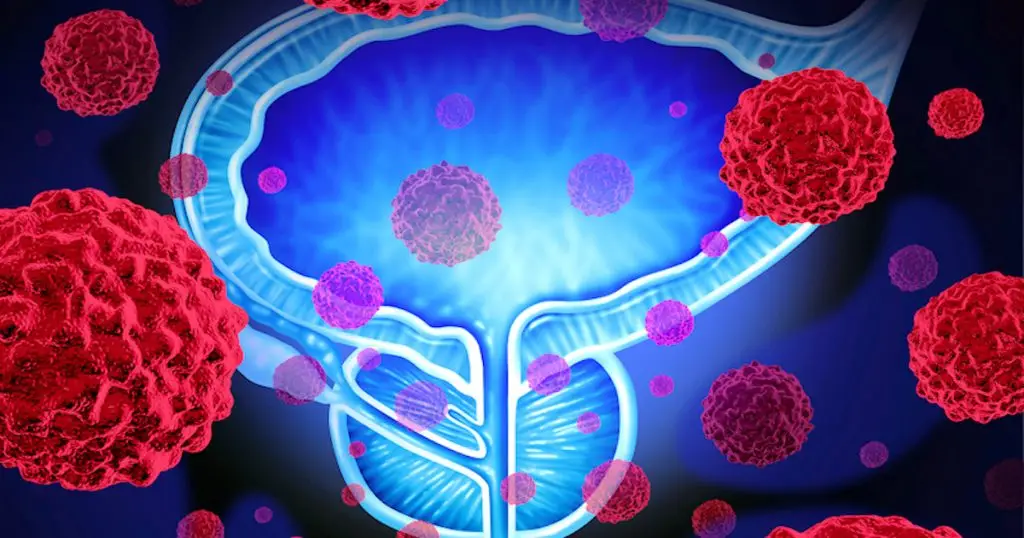
Structural racism causes disparities in prostate MRI use

[ad_1]

The findings underscore the importance of facing the reality of racism in the U.S. head-on, wrote a team led by Dr. Michael Leapman of Yale School of Medicine in New Haven, CT.


“Strategies to reduce race-based [healthcare] inequalities begin with broader acknowledgment of their existence and the processes that underlie their perpetuation,” the authors wrote.


Racial disparities in the diagnosis, treatment, and outcomes of men with prostate cancer are baked into the U.S. healthcare system, Leapman and colleagues noted. Black men are more likely to be diagnosed with prostate cancer and are at nearly twice the risk of dying of the disease compared with their white counterparts.


These differences are not due to physical factors, the authors wrote.


“Recent analyses suggest that observed racial disparities in prostate cancer outcomes are wholly or, at least in part, attributable to factors that are associated with race, but only through generations of the legal, social, and medical (i.e., ‘structural’) disadvantages experienced by Black persons in the U.S. and are not the result of immutable biological differences,” they wrote.


Leapman’s group sought to investigate what contributes to healthcare inequity when it comes to the use of prostate MRI in men diagnosed with the disease. The team conducted a study that included information taken from the U.S. Surveillance, Epidemiology, and End Results (SEER) Medicare database for 39,534 patients with a diagnosis of prostate cancer between January 2011 and December 2015.


Black patients made up 10.1% of the study cohort, while white patients represented 82.4%; mean age was 72.8 years. The authors tracked claims for prostate MRI exams within six months before or after the men were diagnosed and assessed clinical and sociodemographic factors among patients.


The use of prostate MRI in patients diagnosed with prostate cancer increased over the study period, from 5.3% in 2011 to 17.5% in 2015. But still, Black patients diagnosed with prostate cancer were indeed less likely to undergo prostate MRI than their white counterparts:


Impact of race on likelihood of undergoing prostate MRI scans
Measure White patients Black patients
Likelihood of receiving prostate MRI after diagnosis 9.9% 6.3%


The team also found the following regarding racial disparities in the use of prostate MRI:


  • 24% of disparities were due to geographic differences.
  • 19% were attributable to neighborhood-level socioeconomic status (i.e., residence in a high-poverty area).
  • 19% were due to what the team termed “racialized residential segregation.”
  • 11% were attributable to individual-level socioeconomic status (i.e., eligibility for both Medicare and Medicaid).


Clinical and pathologic factors didn’t appear to influence the use of prostate MRI among Black and white patients, the team noted.


More disturbingly, cancer risk didn’t appear to mitigate racial disparity in use of prostate MRI, “underscoring that the factors associated with imaging use are largely not related to the characteristics of the patient’s disease,” Leapman and colleagues wrote.


Addressing inequities such as the use of prostate MRI for men diagnosed with prostate cancer demands a comprehensive approach, according to an accompanying commentary written by Dr. Michael Poulson of Boston University School of Medicine.


“Prostate cancer survival depends on accurate diagnosis and treatment,” he wrote. “With emerging technologies becoming standard of care, racially marginalized populations are left at the wayside … because of the long history of discrimination that continues to preclude them from resources important in their care … Not all solutions to health care disparities are solved in the hospital. Many must come from changes to the societal structure in which we all live.”

Copyright © 2022 AuntMinnie.com

[ad_2]

Source link
Trending Topics

Features

Download and distribute powerful vaccination QI resources for your community.

Sign up now to support health equity and sustainable health outcomes in your community.

MCED tests use a simple blood draw to screen for many kinds of cancer at once.

FYHN is a bridge connecting health information providers to BIPOC communities in a trusted environment.

Discover an honest look at our Medicare system.

ARC was launched to create a network of community clinicians to diversify and bring clinical trials to communities of color and other communities that have been underrepresented.

The single most important purpose of our healthcare system is to reduce patient risk for an acute event.

Related Posts
FDA Gives Egg Recall Highest-Risk Class I Designation Over Salmonella Outbreak
Lucy Davis Reveals Incurable Stage 4 Breast Cancer, Urges Women Not to Ignore Subtle Changes
September Cancer Awareness: NMQF’s Role in Cancer Education and Health Access
Scroll to Top
Featured Articles
Class I Salmonella Egg Recall What to Know Fyh.news
FDA Gives Egg Recall Highest-Risk Class I Designation Over Salmonella Outbreak
Lucy Davis Breast Cancer: Stage 4 Diagnosis Revealed | Fyh.news
Lucy Davis Reveals Incurable Stage 4 Breast Cancer, Urges Women Not to Ignore...
September Cancer Awareness: NMQF’s Role in Cancer Education and Health Access
New Federal Rule on Gender-Affirming Care Raises Health Access Concerns for Transgender Youth
New Federal Rule on Gender-Affirming Care Raises Health Access Concerns for T...
Parent learning about new childhood vaccine changes
Childhood Vaccine Changes: What Families Need to Know
Taylor Farms Recalls Jalapeño-Containing Foods as Salmonella Outbreak Sickens 345 Across 27 States
Taylor Farms Recalls Jalapeño-Containing Foods as Salmonella Outbreak Sickens...
Categories
AI
ATTR-CM
BIPOC News
Cancer
Clinical Trials
Covid19
Diseases of the Body
Environment
Health Data
Health Equity Events
Health Policy
Health Tips
Subscribe to our newsletter to receive our latest news​
All Stories
Class I Salmonella Egg Recall What to Know Fyh.news
FDA Gives Egg Recall Highest-Risk Class I Designation Over Salmonella Outbreak
Lucy Davis Breast Cancer: Stage 4 Diagnosis Revealed | Fyh.news
Lucy Davis Reveals Incurable Stage 4 Breast Cancer, Urges Women Not to Ignore...
September Cancer Awareness: NMQF’s Role in Cancer Education and Health Access
BIPOC News
September Cancer Awareness: NMQF’s Role in Cancer Education and Health Access
Historic Cancer Leadership Milestone Highlights the Importance of Early Detection and Community Outreach
Historic Cancer Leadership Milestone Highlights the Importance of Early Detec...
HPV Overtakes Smoking as Leading Cause of Throat Cancer
Environment
UV Safety Awareness Month Raises Urgency on Skin Cancer Prevention and Sun Protection Equity
UV Safety Awareness Month Raises Urgency on Skin Cancer Prevention and Sun Pr...
Extreme Heat Safety Tips 5 Ways to Protect Your Health This Summer fyh.news
5 Heat Safety Tips That Could Protect Your Health This Summer
Lupus Awareness Event in Baltimore Aims to Support Research and Shine a Light on Health Disparities
Lupus Awareness Event in Baltimore Aims to Support Research and Shine a Light...
Work Force
A multigenerational Black and Hispanic family sitting together in a park, showing how Social Security helps support older adults, people with disabilities, and families across generations.
Millions of Older Americans Could Face Smaller Social Security Checks by 2032...
dreamstime_s_243253251
The Caregiver Journey: The Hidden Backbone of American Healthcare
Families gather at a Bronx community festival with live music, kids’ activities, and health booths sharing SOMOS social care resources and free screenings.
Celebrating Hispanic heritage while learning about health care

[xyz-ips snippet=”Output-Source-Name”]

Clinical Trials
Historic Cancer Leadership Milestone Highlights the Importance of Early Detection and Community Outreach
Historic Cancer Leadership Milestone Highlights the Importance of Early Detec...
House Advances Bipartisan EARLY Act Reauthorization, Renewing Focus on Early Breast Cancer Detection for Young Women
House Advances Bipartisan EARLY Act Reauthorization, Renewing Focus on Early ...
Early Cancer Detection Is Entering a New Era. Flint Is Helping Lead the Way.
Vaccines and Outbreaks
Class I Salmonella Egg Recall What to Know Fyh.news
FDA Gives Egg Recall Highest-Risk Class I Designation Over Salmonella Outbreak
Taylor Farms Recalls Jalapeño-Containing Foods as Salmonella Outbreak Sickens 345 Across 27 States
Taylor Farms Recalls Jalapeño-Containing Foods as Salmonella Outbreak Sickens...
HPV Overtakes Smoking as Leading Cause of Throat Cancer
Other Categories
AI
Read the latest AI News stories trending around the world
ATTR-CM
Cancer
Read the latest Cancer stories trending around the world
Covid19
Diseases of the Body
Read about the latest Diseases of the Body trending around the world
Friday Webinars
Every Friday, we bring you insightful webinars covering critical topics in healthcare, data equity, and policy reform.
Health Data
Read the latest Health Data stories trending around the world
Health Equity Events
Read the best Health Equity Events around the country.
Health Policy
Read the latest Health Policy stories trending around the world
Health Tips
Heart Health
Read the latest on Heart Health News, Stories and Tips.
kidney Health
Read more trending News about Kidney Health, Stories and Tips.