













[ad_1]
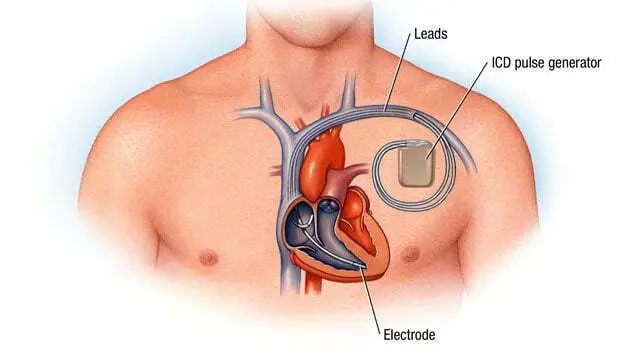
 (Credit: Mayo Foundation for Medical Education and Research)
While the use of implantable cardioverter-defibrillators (ICDs) has increased in the last few decades, a recent Mayo Clinic study found that the devices are not used as often for female patients and patients of color, when compared to other patient demographics. The study was published in Mayo Clinic Proceedings.
ICDs are used to manage patients with hypertrophic cardiomyopathy (HCM), a disease in which the heart muscle becomes abnormally thick, making it harder for the heart to pump blood. The condition can cause chest pain, shortness of breath, or problems with the heart’s electrical system that can result in arrythmias and sudden death. Treatment can include drugs, surgery, and/or an ICD, which continuously monitors a patient’s heartbeat and sends precise electrical shocks when needed to restore a normal heart rhythm.
The Mayo Clinic researchers used data from an inpatient hospitalization database, which found both the disparities for women and people of color, as well as regional variations in the overall use of ICDs in patients with HCM.
The study looked at 23,535 adult hospitalizations for HCM during a 12-year time span. Use of ICDs in the patients increased from 11.6% in 2003 to 17% in 2014. “Younger age groups, higher income quartiles, large and teaching hospitals, presence of ventricular arrhythmias, heart block, and atrial fibrillation were associated with higher odds of ICD implantation,” according to the study. “Women had a lower proportion of ICD use compared to men across the study period and non-White race [was] associated with lower odds of ICD implantation among HCM hospitalizations.”
“Sudden cardiac death risk stratification and ICD decision-making are pillars of clinical care of patients with hypertrophic cardiomyopathy. Despite growing recognition of this disease, the degree of inequity across patient populations was quite surprising,” says Hartzell Schaff, MD, a cardiovascular surgeon at Mayo Clinic and senior author of the study.
“The fact that ICD use is more common in large and teaching hospitals suggests that patients in smaller hospitals may not have access to specialists in hypertrophic cardiomyopathy management,” said Sri Harsha Patlolla, a postdoctoral fellow in the Department of Cardiovascular Surgery at Mayo Clinic and the first author of the study. “Improving access to centers offering the highest level of specialized care may help reduce these disparities.”
[ad_2]
Source link