














Background
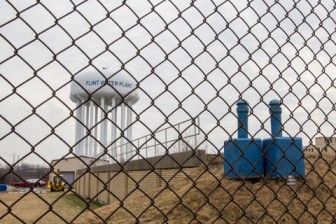
The Flint water crisis began in April 2014, when the city switched its water supply from Detroit’s system to the Flint River without proper corrosion control. That allowed lead and other contaminants to leach from aging pipes into drinking water. At the time, Flint’s population was majority Black (roughly 57 %) and economically disadvantaged, making the burden of exposure disproportionately borne by Black residents. The crisis was formally declared a state public health emergency in late 2015 and federal attention and funding followed.
Recent Developments & Current Trends (2022–2025)
1. Lead Exposure Monitoring and the Flint Lead Exposure Registry
The Flint Lead Exposure Registry, managed jointly by the CDC and Michigan, continues to enroll participants and monitor long-term health, child development, and “ongoing lead exposure.” The registry is supported by multi-year grants: as of March 2025, the CDC has awarded funding through 2027 to support its activities. One goal of the registry is to coordinate with other community services to ensure that residents with elevated exposure receive appropriate medical, developmental, or social interventions.
2. Water Quality & Infrastructure Progress
Recent six-month monitoring in Flint reports that the 90th percentile lead level is now about 10 parts per billion (ppb), which is below the federal threshold of 15 ppb under the Lead and Copper Rule. As of 2024, Flint’s water has consistently met Safe Drinking Water Act requirements for over seven years. The city’s performance is also below Michigan’s more stringent updated state standard (12 ppb) that took effect January 2024. However, no level of lead exposure is entirely safe.
Nonetheless, there remain reports that some water systems across Michigan, even those labeled “in compliance,” still show occasional high lead readings—this underscores ongoing challenges in sampling, detection, and infrastructure oversight.
3. Health Trends & Emerging Associations
Recent studies have expanded our understanding of how the Flint crisis’s legacy continues to manifest, especially among historically marginalized populations.
- A 2023–2025 descriptive health analysis found that participants in the Flint Registry reported higher age-adjusted prevalence of several chronic conditions compared to a general Michigan population sample. These included:
- Asthma and other chronic lung diseases
- Depression
- Kidney disease
- Angina, hypertension, and stroke
While the patterns were not always consistent across racial subgroups, the elevated burdens are concerning for communities already vulnerable to health disparities.
On mental health, a longitudinal study (following the crisis by several years) found markedly elevated rates of major depression and post-traumatic stress disorder (PTSD) in Flint. In one survey, one in five adults reported major depression, and one in four had PTSD. Less than 35 % said they had ever been offered mental health services related to the water crisis. The crisis continues to influence how residents perceive their water and environment. For example, a 2024 survey in TIME found that 41 % of respondents said they had current mental or emotional problems related to water contamination fears.
Youth voices also amplify continuing health concerns: in a recent qualitative study, many young people reported knowing someone who developed health issues—skin rashes, hair loss, gastrointestinal symptoms—they believed were tied to contaminated water.
This suggests the crisis’s impact is not limited to toxic exposure but also to mental, social, and systemic disruptions with ripple effects across entire cohorts of children.
4. Pipe Replacement & Infrastructure Closure
As of mid-2025, Michigan has completed replacement of nearly 11,000 lead service lines in Flint, marking a crucial milestone in resolving one of the core infrastructural causes of exposure. That said, some households opted out of replacements, and residual concerns remain about lead in plumbing components beyond the service line (e.g. interior pipes/fittings). The full remediation of Flint’s water system is widely recognized as a historic achievement and a model for infrastructure justice, but the health, social, and emotional aftermath will persist for years and generations.
Social, Structural & Long-Term Effects
Distrust, Trauma & Institutional Relations
The Flint crisis deeply undermined trust in local, state, and federal institutions. Many residents continue to distrust tap water and rely on bottled water or filters—even when regulatory metrics are met. Psychologically, the crisis is a collective trauma: decisions made by public officials resulted in harm to a predominantly Black community. The sense of betrayal, anxiety, ongoing vigilance about water, and uncertainty about long-term health effects compound mental health burdens.
Unequal Mobility & Exposure Persistence
During and after the crisis, White residents were more likely to relocate away from Flint, leaving many Black residents to remain exposed longer. This selective mobility intensifies environmental injustice, as those least able to move or resist carry the prolonged burden.
Economic, Educational & Intergenerational Consequences
- Elevated medical and developmental care costs, lost productivity, and social costs are expected to compound over time. Some earlier analyses estimated hundreds of millions in long-term societal burden associated with lost IQ, behavioral interventions, and health sequelae.
- Children born during the crisis period—especially Black children—face an uphill battle: subtle cognitive or behavioral deficits, even if statistically small, can cascade into educational achievement gaps, lower earnings, and reduced economic mobility.
- Infrastructure reforms and pipe replacements may reduce future exposures, but the residual damage to human capital, social trust, and communal resilience will persist across generations.
Conclusion & Recommendations
The Flint water crisis cannot be viewed as a past incident—it remains a living public health catastrophe whose health, psychological, social, and educational reverberations persist. For the Black community in Flint and Michigan more broadly, the crisis underscores how environmental neglect, systemic racism, and infrastructural decay cumulatively inflict harm across generations.
Trending Topics

Features
- Drive Toolkit
Download and distribute powerful vaccination QI resources for your community.
- Health Champions
Sign up now to support health equity and sustainable health outcomes in your community.
- Cancer Early Detection
MCED tests use a simple blood draw to screen for many kinds of cancer at once.
- PR
FYHN is a bridge connecting health information providers to BIPOC communities in a trusted environment.
- Medicare
Discover an honest look at our Medicare system.
- Alliance for Representative Clinical Trials
ARC was launched to create a network of community clinicians to diversify and bring clinical trials to communities of color and other communities that have been underrepresented.
- Reducing Patient Risk
The single most important purpose of our healthcare system is to reduce patient risk for an acute event.
- Jessica Wilson
- Subash Kafle


