The lack of diversity in clinical trials is leaving women, people of color behind | Analysis

[ad_1]

By Daniel Merino and Nehal El-Hadi

Its a great day when you find a piece of clothing that fits perfectly. A good shirt, the right pair of shoes or a well-cut dress is comfortable, looks nice and feels like it was made just for you. Now imagine a world where every shirt was the same size, every shoe was the same design and there weren’t even differences between the cut of men’s and women’s clothing. Getting dressed in the morning would be clunky, and clothes would be uncomfortable. In other words, one size does not fit all.

Yet, this lack of bespoke options is more or less the reality of medicine today. Despite the many biological differences between people of different genders, races, ages and life histories, chances are that if two people walk into a doctor’s office with the same symptoms, they are going to get roughly the same treatment. As you can imagine, a whole range of treatments – from drugs to testing – could be much more effective if they were designed to work with many different kinds of bodies, not just some abstract, generic human.

In this episode of The Conversation Weekly podcast, we speak to three researchers who are looking at ways to make medicine better suited to you. It starts with simply making sure that clinical trial participants look like the actual population of patients a drug is meant to treat. And as we explore in this episode, in the future, precision medicine could help each person get medical care that is tailored to their own biology, just like a custom shirt.

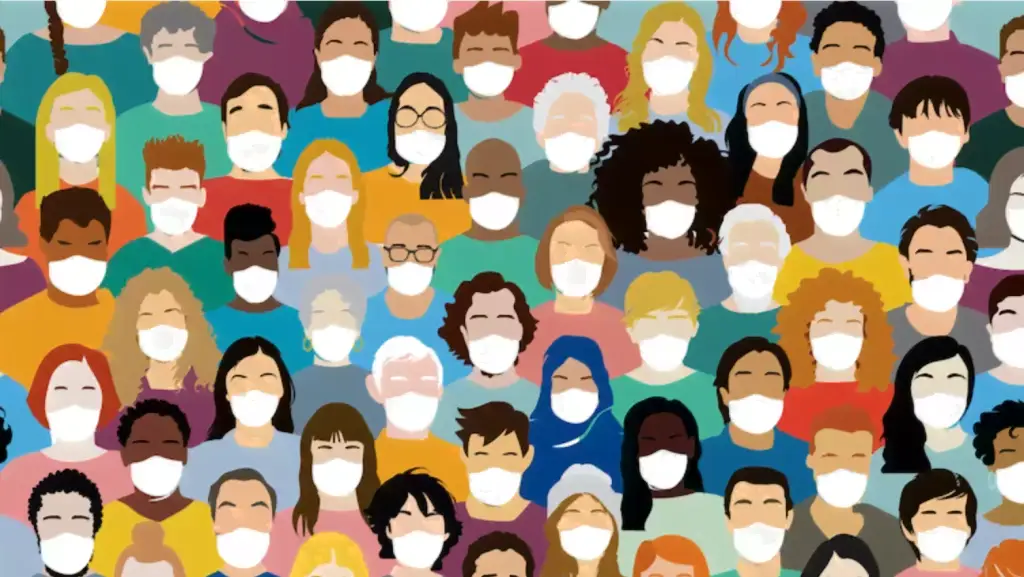
In 1977, the U.S. Food and Drug Administration released a set of policy guidelines that explicitly banned “women of childbearing age” from participating in clinical trials of new drugs. Though done out of a fear of causing birth defects, the result was that for more than a decade, new drugs were going to market with little information about how they might affect women. Due to systemic biases, research has found that people of color are routinely underrepresented in clinical trials today, too. For the most part, medical research has been done on healthy, young and middle-aged men of European descent.

This is a problem in the U.S, according to Jennifer Miller, a bioethicist at Yale University. “If you’re not included in the trial, this raises questions about whether the drug’s safety and efficacy information applies to patients like you,” she says.

In recent years, a number of researchers across the U.S. – like Julia Liu, a professor of medicine at Morehouse School of Medicine – have been trying to figure out ways to improve the diversity of clinical trial participants. Part of the problem, Liu explains, stems from a myth within medicine that Black people don’t like to participate in medical research due to the history of abuses the U.S. medical system has inflicted on African Americans, like the infamous Tuskegee Experiment. But when Liu began running her own trials on a new prostate cancer test at a hospital that serves a majority-African American population, she found quite the opposite.

“It turned out that just about everyone I asked said, ‘I would love to do that,’” explains Liu. “Half of the eligible patients agreed.” Black patients were just as eager to participate in research as white patients, and according to Liu, a big reason for lack of diversity in clinical trials is that they are mostly run out research hospitals in wealthier, whiter cities, not out of hospitals with diverse patients.

According to Miller’s research, only 4% of trials in recent years used a representative population, but she is optimistic. Women are now much better represented in trials, and with regard to equal racial representation, “that 4% does tell us is that it’s possible to get this right.”

Efforts like those of Liu and Miller are similar to how companies make shirts in different sizes to better fit different bodies. Once researchers do this work, health care providers can choose which drugs are likely to work better and have fewer risks for different patients based on their individual demographics.

Better representation is a start, but anyone who has been lucky enough to get custom-made clothing knows just how well a shirt can really fit. This is the idea behind precision medicine. According to Keith Yamamoto, who directs the precision medicine center at the University of California, San Francisco, in the U.S., in the near future it may be possible to “achieve an understanding of health and disease to the extent that we could give advice to Dan Merino, not just people like Dan.”

This approach to medicine would incorporate basic biology, a person’s individual genetics and life history and the wealth of all existing medical research – precision medicine is an information and computation problem. To work, it needs good data – the representative data missing from clinical trials. As Yamamoto said, “Precision medicine will fail if we don’t address those issues in a head-on way.”

Listen to the full episode of The Conversation Weekly to find out more.


This episode of The Conversation Weekly was produced by Katie Flood. It was written by Katie Flood and Daniel Merino. Sound design is by Eloise Stevens, and the theme music is by Neeta Sarl.

You can find us on Twitter @TC_Audio, on Instagram at @theconversationdotcom or via email. You can also sign up for The Conversation’s free emails here. A transcript of this episode will be available soon.

Listen to The Conversation Weekly via any of the apps listed above, download it directly via our RSS feed or find out how else to listen here.The Conversation

Daniel Merino is the Associate Science Editor & Co-Host of The Conversation Weekly Podcast. Nehal El-Hadi is the Science + Technology Editor & Co-Host of The Conversation Weekly Podcast. This piece first appeared on The Conversation.
The Conversation


[ad_2]

Source link

Trending Topics

Features

Download and distribute powerful vaccination QI resources for your community.

Sign up now to support health equity and sustainable health outcomes in your community.

MCED tests use a simple blood draw to screen for many kinds of cancer at once.

FYHN is a bridge connecting health information providers to BIPOC communities in a trusted environment.

Discover an honest look at our Medicare system.

ARC was launched to create a network of community clinicians to diversify and bring clinical trials to communities of color and other communities that have been underrepresented.

The single most important purpose of our healthcare system is to reduce patient risk for an acute event.

Related Posts
How NMQF Advances Minority Health Through Data, Research and Health Access
Early Cancer Detection Is Entering a New Era. Flint Is Helping Lead the Way.
Why Your “Ozempic” May Not Be Ozempic: FDA Warnings Highlight Growing Risks of Unregulated GLP-1 Drugs
Scroll to Top
Featured Articles
How NMQF Advances Minority Health Through Data, Research and Health Access
Early Cancer Detection Is Entering a New Era. Flint Is Helping Lead the Way.
Why Your “Ozempic” May Not Be Ozempic: FDA Warnings Highlight Growing Risks of Unregulated GLP-1 Drugs
Why Your “Ozempic” May Not Be Ozempic: FDA Warnings Highlight Growing Risks o...
The Communities Most Burdened by Disease Should Be the First to Benefit from Artificial Intelligence
The Communities Most Burdened by Disease Should Be the First to Benefit from ...
Cancer Pain Care Access Gap Hits Black, Asian Patients
Black and Asian Cancer Patients Wait Longer for Pain Relief in New Study
What Is Cyclosporiasis Symptoms, Food Safety, and Reasons
What Is Cyclosporiasis? The Foodborne Illness Showing Up in the News
Categories
AI
ATTR-CM
BIPOC News
Cancer
Clinical Trials
Covid19
Diseases of the Body
Environment
Health Data
Health Equity Events
Health Policy
Health Tips
Subscribe to our newsletter to receive our latest news​
All Stories
How NMQF Advances Minority Health Through Data, Research and Health Access
Early Cancer Detection Is Entering a New Era. Flint Is Helping Lead the Way.
Why Your “Ozempic” May Not Be Ozempic: FDA Warnings Highlight Growing Risks of Unregulated GLP-1 Drugs
Why Your “Ozempic” May Not Be Ozempic: FDA Warnings Highlight Growing Risks o...
BIPOC News
How NMQF Advances Minority Health Through Data, Research and Health Access
Early Cancer Detection Is Entering a New Era. Flint Is Helping Lead the Way.
The Communities Most Burdened by Disease Should Be the First to Benefit from Artificial Intelligence
The Communities Most Burdened by Disease Should Be the First to Benefit from ...
Environment
UV Safety Awareness Month Raises Urgency on Skin Cancer Prevention and Sun Protection Equity
UV Safety Awareness Month Raises Urgency on Skin Cancer Prevention and Sun Pr...
Extreme Heat Safety Tips 5 Ways to Protect Your Health This Summer fyh.news
5 Heat Safety Tips That Could Protect Your Health This Summer
Lupus Awareness Event in Baltimore Aims to Support Research and Shine a Light on Health Disparities
Lupus Awareness Event in Baltimore Aims to Support Research and Shine a Light...
Work Force
A multigenerational Black and Hispanic family sitting together in a park, showing how Social Security helps support older adults, people with disabilities, and families across generations.
Millions of Older Americans Could Face Smaller Social Security Checks by 2032...
dreamstime_s_243253251
The Caregiver Journey: The Hidden Backbone of American Healthcare
Families gather at a Bronx community festival with live music, kids’ activities, and health booths sharing SOMOS social care resources and free screenings.
Celebrating Hispanic heritage while learning about health care

[xyz-ips snippet=”Output-Source-Name”]

Clinical Trials
Early Cancer Detection Is Entering a New Era. Flint Is Helping Lead the Way.
Why Your “Ozempic” May Not Be Ozempic: FDA Warnings Highlight Growing Risks of Unregulated GLP-1 Drugs
Why Your “Ozempic” May Not Be Ozempic: FDA Warnings Highlight Growing Risks o...
Clinical Trial Diversity Remains a Critical Challenge in Alzheimer’s Research
Vaccines and Outbreaks
A parent checking a child's temperature during summer, illustrating the changing RSV patterns and year-round respiratory virus risks.
Can You Get RSV During the Summer?
Michelle Lam, MBA, of NYC Health + Hospitals/Elmhurst & Amy Harris of NYC Health + Hospitals/Elmhurst
Healthcare Leaders Spotlight Vaccine Equity and Adult Immunization Strategies...
Measles Outbreaks Surge: Essential Facts and Prevention Strategies
Other Categories
AI
Read the latest AI News stories trending around the world
ATTR-CM
Cancer
Read the latest Cancer stories trending around the world
Covid19
Diseases of the Body
Read about the latest Diseases of the Body trending around the world
Friday Webinars
Every Friday, we bring you insightful webinars covering critical topics in healthcare, data equity, and policy reform.
Health Data
Read the latest Health Data stories trending around the world
Health Equity Events
Read the best Health Equity Events around the country.
Health Policy
Read the latest Health Policy stories trending around the world
Health Tips
Heart Health
Read the latest on Heart Health News, Stories and Tips.
kidney Health
Read more trending News about Kidney Health, Stories and Tips.