To transform public health, invest in behavioral research

[ad_1]

Human behavior, such as the choice not to vaccinate (or worse, actively propagate misinformation designed to stoke unsubstantiated fear), is central to the nation’s most prevalent, obstinate conditions, including heart disease and obesity. To successfully improve health outcomes, reduce costly chronic disease management, and prevent infectious disease outbreaks, it is imperative to understand the link between what drives health behavior (our thoughts) and what catalyzes behavior change (our choices). And understanding the science of human behavior means investing in it. Unfortunately, social and behavioral health scientists remain the minuscule minority in the pool of externally funded scientific investigators.

Federal funding of social and behavioral science is about $2 billion, with the Department of Health and Human Services (primarily NIH) providing the lion’s share of investment. To put that number in context, the total research budget of NIH is over $40 billion. Widening the aperture to include investments in prevention and public health (of which behavioral research closely aligns), we find that the funding allocation is actually declining. In the two decades preceding the COVID-19 pandemic, preventive care spending by the government as a share of total national health expenditures dipped below 3 percent.

This should be deeply concerning to the public.

First, all roads of medical research inevitably require some form of behavior change on the part of individuals. From the life-saving to the banal, medical interventions require people to actually engage in choices or changes. This might mean making dietary changes, scheduling an appointment for a cancer screening, swapping out smoking for a nicotine patch, taking medication as directed, or opting to vaccinate. Short of widespread strategies such as adding fluoride to drinking water or mandating seatbelt use (which, notably, still requires human adherence), improving public health means that decision-makers in government and health care need to understand and apply the science of how to shift behavior at the population level.

There are several interdisciplinary fields working fervently to maximize the impact of medical, environmental, or policy interventions through behavioral research, such as those in behavioral medicine, social epidemiology, psychology, behavioral economics, and implementation science. However, the odds of health behavioral research being funded and behavioral scientists being included at the highest levels of decision-making to promote our nation’s well-being are not in our favor.

This scant investment in behavioral research may partially stem from biases in how we speak about different fields of science. We often hear distinctions such as “hard science” or “bench science” when discussing medical research and clinical trials. Conversely, studies of human behavior are routinely minimized as the “soft” side of the discipline. Like all messaging, however, inaccurate characterization drives false perceptions of value and yields real consequences that stymy progress on efforts to promote population health.

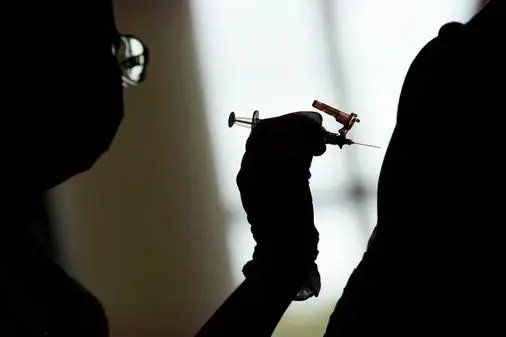
The 60 million US adults who remain unvaccinated for COVID-19 in the third year of the pandemic are a prime example. Even with the COVID-19 vaccine development being nothing short of stunning — funded at historic levels and producing an efficacy rate over 90 percent, or 2 to 3 times the efficacy of a flu shot — 1 in 4 adults has refused to roll up their sleeves. Had even a portion of federal funding amplified behavioral research to understand and mitigate hesitancy, the United States may have been much closer to the success rates in other Organization for Economic Cooperation and Development nations (like Norway, with nearly 90 percent of adults vaccinated).

Science is science. While the content being studied may vary, the integrity and rigor of applying the scientific method should not. As we continue to grapple with the largest public health event in our lifetime, the gaps in research that led to preventable gaps in outcomes need to be questioned. How can policymakers, health care leaders, and scientific experts collaborate to facilitate uptake of successful interventions and address health inequities in real-world settings, where health care access is variable, misinformation and mistrust in medicine are pervasive, science is politicized, racism is systemic, and people make decisions based on factors beyond evidence? This kind of research is science worth the investment.

Monica L. Wang is an associate professor at the Boston University School of Public Health and associate director of the Boston University Center for Antiracist Research.

[ad_2]

Source link

Trending Topics

Features

Download and distribute powerful vaccination QI resources for your community.

Sign up now to support health equity and sustainable health outcomes in your community.

MCED tests use a simple blood draw to screen for many kinds of cancer at once.

FYHN is a bridge connecting health information providers to BIPOC communities in a trusted environment.

Discover an honest look at our Medicare system.

ARC was launched to create a network of community clinicians to diversify and bring clinical trials to communities of color and other communities that have been underrepresented.

The single most important purpose of our healthcare system is to reduce patient risk for an acute event.

Related Posts
R&B Singer Nivea Reveals Leukemia Diagnosis at 44, Says Treatment Is Going Well
Health Equity Act Reintroduced to Expand Access
Senate Committee Advances 11 Health Care Access Bills
Scroll to Top
Featured Articles
Nivea Leukemia Diagnosis Singer Shares Treatment Update
R&B Singer Nivea Reveals Leukemia Diagnosis at 44, Says Treatment Is Goin...
Sen. Alex Padilla speaks during the announcement of the Health Equity and Accountability Act of 2026, legislation aimed at reducing health disparities and expanding access to healthcare for underserved communities.
Health Equity Act Reintroduced to Expand Access
Senate HELP Committee advances bipartisan health care bills on insulin, biosimilars, rural care and price transparency.
Senate Committee Advances 11 Health Care Access Bills
Bottle and tablets representing the recall of some cetirizine 5 mg allergy medicine
Cetirizine Recall: Check Your Allergy Medicine
House Advances Bipartisan EARLY Act Reauthorization, Renewing Focus on Early Breast Cancer Detection for Young Women
House Advances Bipartisan EARLY Act Reauthorization, Renewing Focus on Early ...
Cyclospora Outbreak Linked to Lettuce Sickens 1,600+ fyh.news
Cyclospora Outbreak Linked to Recalled Lettuce Sickens More Than 1,600 Across...
Categories
AI
ATTR-CM
BIPOC News
Cancer
Clinical Trials
Covid19
Diseases of the Body
Environment
Health Data
Health Equity Events
Health Policy
Health Tips
Subscribe to our newsletter to receive our latest news​
All Stories
Nivea Leukemia Diagnosis Singer Shares Treatment Update
R&B Singer Nivea Reveals Leukemia Diagnosis at 44, Says Treatment Is Goin...
Sen. Alex Padilla speaks during the announcement of the Health Equity and Accountability Act of 2026, legislation aimed at reducing health disparities and expanding access to healthcare for underserved communities.
Health Equity Act Reintroduced to Expand Access
Senate HELP Committee advances bipartisan health care bills on insulin, biosimilars, rural care and price transparency.
Senate Committee Advances 11 Health Care Access Bills
BIPOC News
Senate HELP Committee advances bipartisan health care bills on insulin, biosimilars, rural care and price transparency.
Senate Committee Advances 11 Health Care Access Bills
Bottle and tablets representing the recall of some cetirizine 5 mg allergy medicine
Cetirizine Recall: Check Your Allergy Medicine
How NMQF Advances Minority Health Through Data, Research and Health Access
Environment
UV Safety Awareness Month Raises Urgency on Skin Cancer Prevention and Sun Protection Equity
UV Safety Awareness Month Raises Urgency on Skin Cancer Prevention and Sun Pr...
Extreme Heat Safety Tips 5 Ways to Protect Your Health This Summer fyh.news
5 Heat Safety Tips That Could Protect Your Health This Summer
Lupus Awareness Event in Baltimore Aims to Support Research and Shine a Light on Health Disparities
Lupus Awareness Event in Baltimore Aims to Support Research and Shine a Light...
Work Force
A multigenerational Black and Hispanic family sitting together in a park, showing how Social Security helps support older adults, people with disabilities, and families across generations.
Millions of Older Americans Could Face Smaller Social Security Checks by 2032...
dreamstime_s_243253251
The Caregiver Journey: The Hidden Backbone of American Healthcare
Families gather at a Bronx community festival with live music, kids’ activities, and health booths sharing SOMOS social care resources and free screenings.
Celebrating Hispanic heritage while learning about health care

[xyz-ips snippet=”Output-Source-Name”]

Clinical Trials
House Advances Bipartisan EARLY Act Reauthorization, Renewing Focus on Early Breast Cancer Detection for Young Women
House Advances Bipartisan EARLY Act Reauthorization, Renewing Focus on Early ...
Early Cancer Detection Is Entering a New Era. Flint Is Helping Lead the Way.
Why Your “Ozempic” May Not Be Ozempic: FDA Warnings Highlight Growing Risks of Unregulated GLP-1 Drugs
Why Your “Ozempic” May Not Be Ozempic: FDA Warnings Highlight Growing Risks o...
Vaccines and Outbreaks
Cyclospora Outbreak Linked to Lettuce Sickens 1,600+ fyh.news
Cyclospora Outbreak Linked to Recalled Lettuce Sickens More Than 1,600 Across...
A parent checking a child's temperature during summer, illustrating the changing RSV patterns and year-round respiratory virus risks.
Can You Get RSV During the Summer?
Michelle Lam, MBA, of NYC Health + Hospitals/Elmhurst & Amy Harris of NYC Health + Hospitals/Elmhurst
Healthcare Leaders Spotlight Vaccine Equity and Adult Immunization Strategies...
Other Categories
AI
Read the latest AI News stories trending around the world
ATTR-CM
Cancer
Read the latest Cancer stories trending around the world
Covid19
Diseases of the Body
Read about the latest Diseases of the Body trending around the world
Friday Webinars
Every Friday, we bring you insightful webinars covering critical topics in healthcare, data equity, and policy reform.
Health Data
Read the latest Health Data stories trending around the world
Health Equity Events
Read the best Health Equity Events around the country.
Health Policy
Read the latest Health Policy stories trending around the world
Health Tips
Heart Health
Read the latest on Heart Health News, Stories and Tips.
kidney Health
Read more trending News about Kidney Health, Stories and Tips.