








[ad_1]
WASHINGTON, DC — Freedom Day, Juneteenth, marks the moment in United States history on June 19, 1865, when the remaining 250,000 enslaved African Americans in the Confederate states were declared legally free two years after the Emancipation Proclamation was signed.
In the century and a half since then, the holiday of June has been a time to come together with family and community, honor the present and reflect on shared history and tradition. This year’s memorial at the Smithsonian’s African American Museum (National Museum of African American History and Culture) explores the “sense” of freedom by highlighting the music, food, and experiences of African Americans.
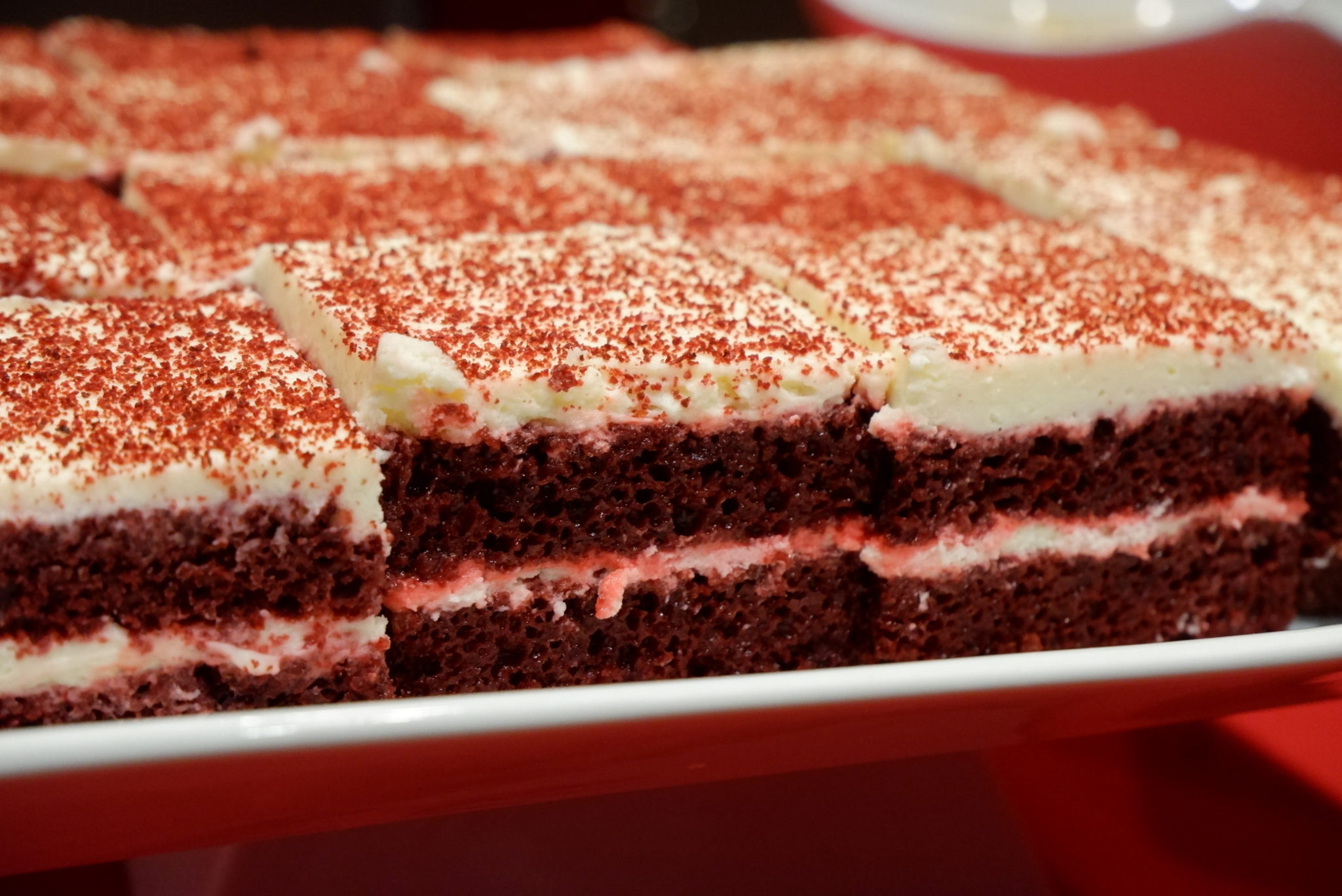
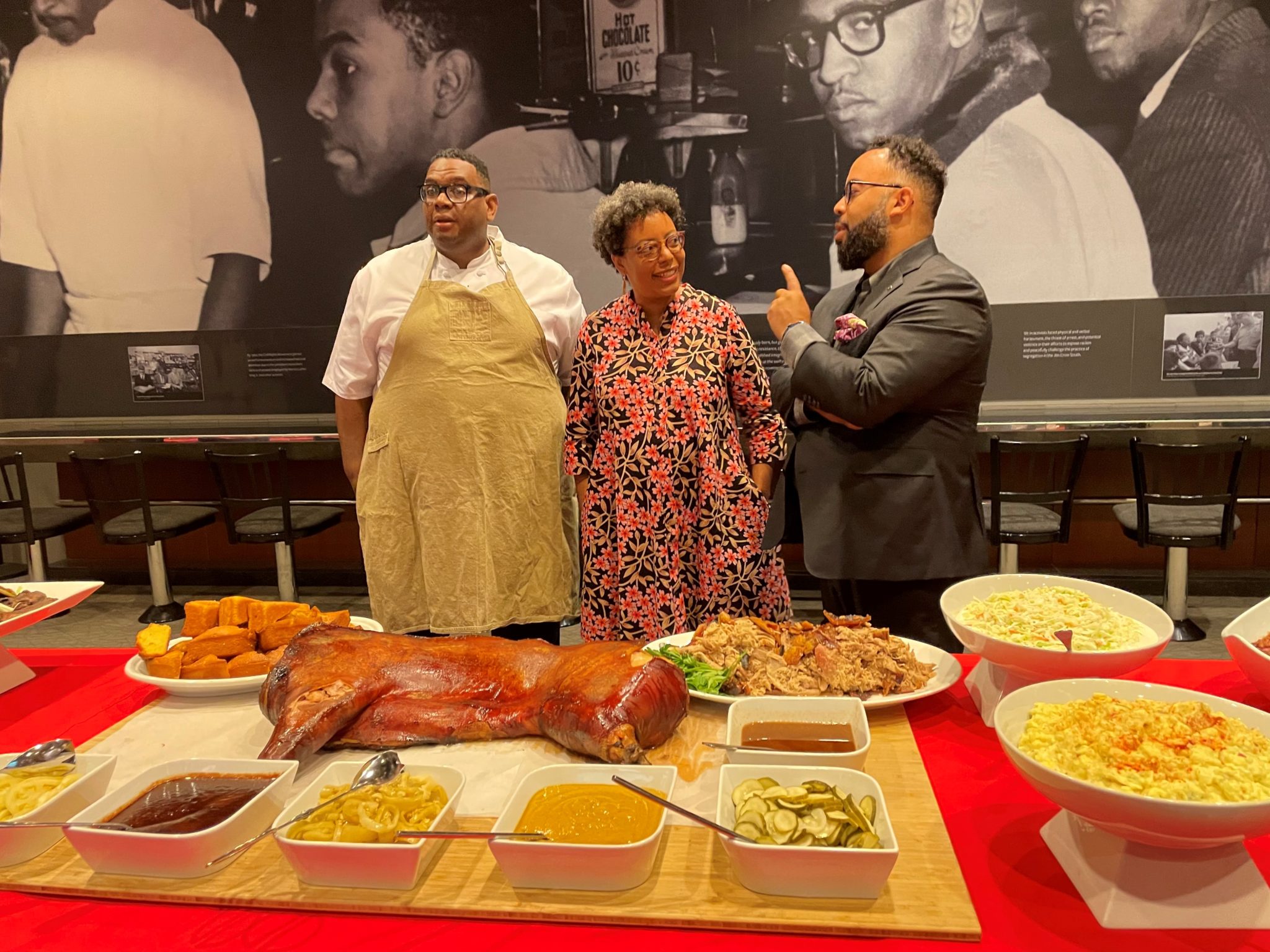
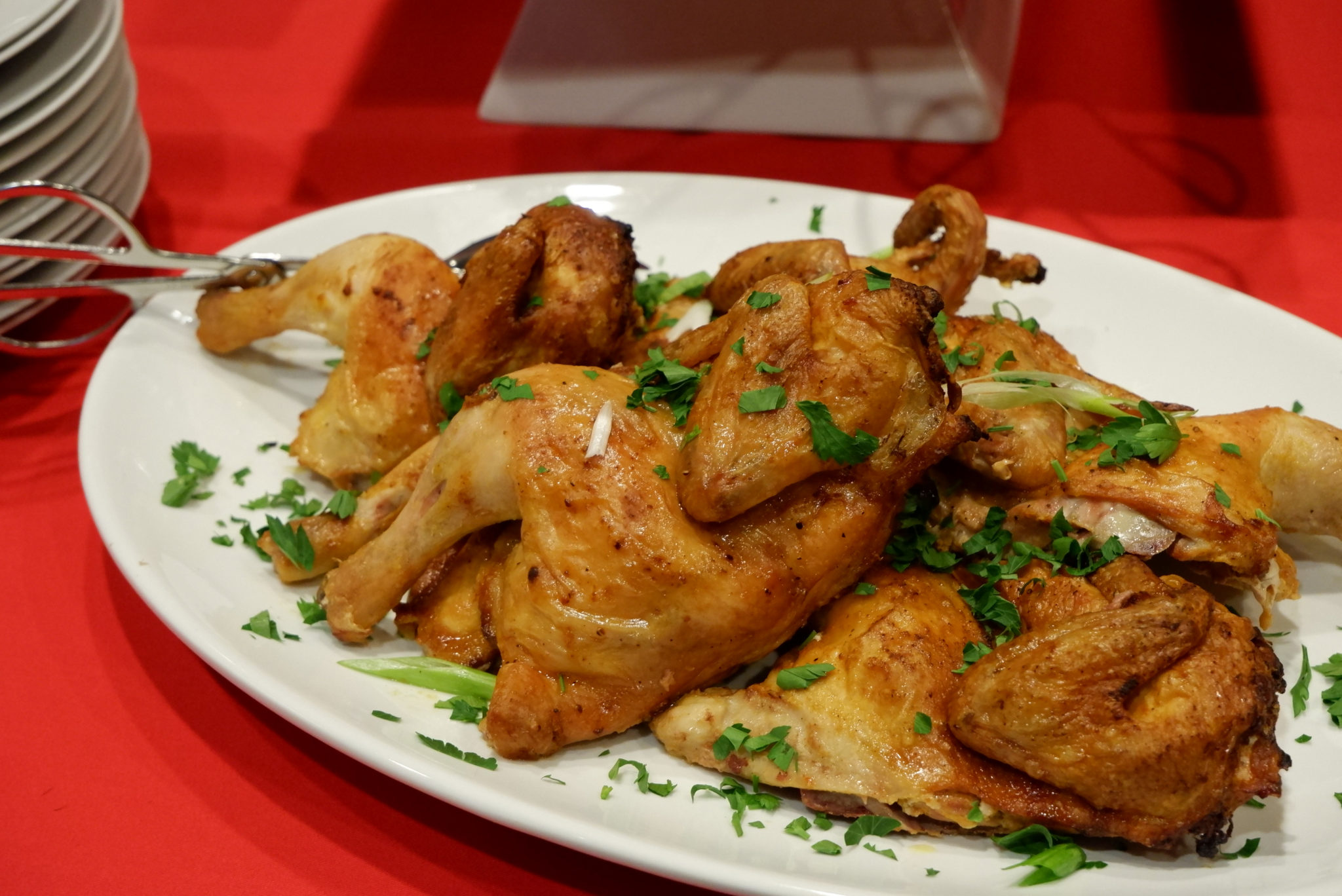
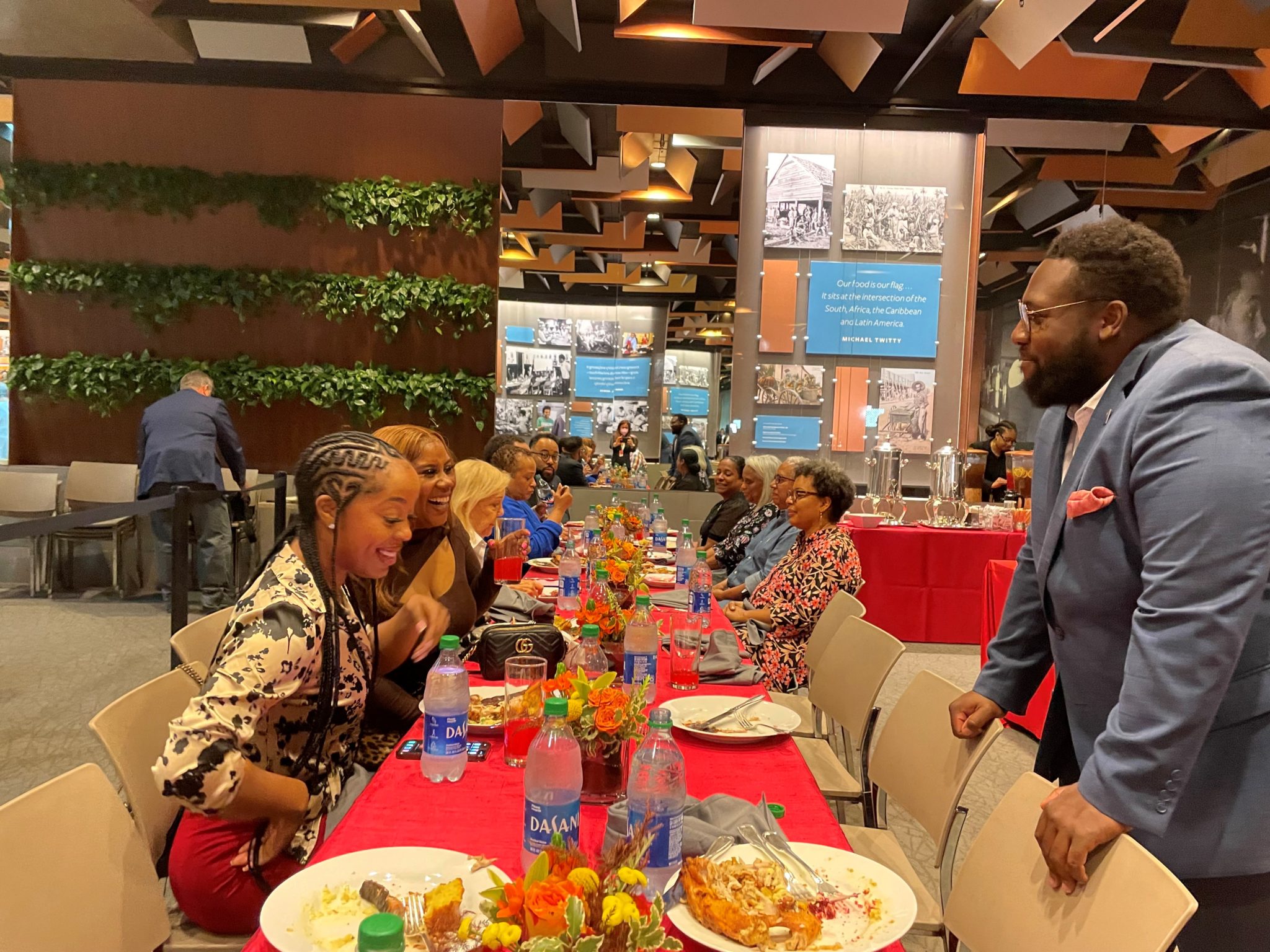
Inside the museum at Sweet Home Café, Executive Chef Ramin Coles from restaurant workers has put together a special menu to celebrate Juneteenth. The Café offers a number of delicious choices including Whole Hog BBQ, Yeast Rolls, Smoked Half Chicken with Cherry BBQ Sauce and house-made pickles, St. Louis Ribs with a choice of BBQ sauces and white bread, Louis Armstrong red beans and rice with pork, stewed tomato, okra and corn, coleslaw and potato salad. For a sweet home finish, two tempting desserts are on the menu featuring both Cherry Cobbler and Red Velvet Cake. Iced tea and cherry lemonade are available.
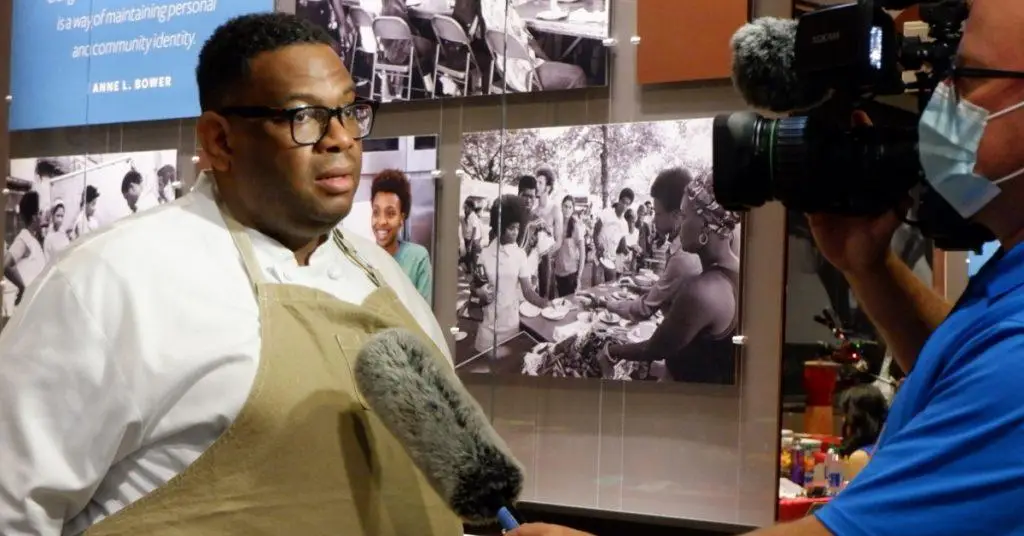
wright: How did you decide what to prepare for the museum’s Juneteenth menu?
Coal: I did some research and the museum jumped on it even before it was called a federal holiday. I was inspired by Texas barbecue. I use red a lot in my dishes. It is the color of the holiday that represents the blood of the people or the resilience of the people. So we’ve featured recipes to reflect that and include a few recipes from the Sweet Home Café cookbook.
It’s the first time we’ve done a whole pork barbecue. We serve it with different sauces. One is made with cherry cola, cherries and chili peppers that we boil and then add tomatoes. The mustard sauce represents South Carolina and comes from my stepfather, Uncle Oliver’s recipe, which was passed down to my mother and how I came up with it. The vinegar sauce is from North Carolina. On a trip we found a lady selling barbecue on white bread with mustard sauce from her shed. That was years ago, but it was the best I’ve ever had.
New Jersey resident and long-time resident of the DC Metro area, Executive Chef Ramin Coles started at Academie de Cuisine, barely two weeks after high school. From there, he earned an outside internship with the Clyde’s Group in Chevy Chase, later cooking at Kincaid’s where the legendary Bob Kincaid the teen learned both cooking and life lessons.
Staying in the area, Coles worked under some of DC’s best-known chefs and partnered with Chef Tracy O’Grady to participate in the prestigious international Bocuse d’Or Championship. With such diverse and extraordinary experiences under his belt, he set to work with Jeff Black at Black Salt and then Black Market and names him the person who gave him the confidence to develop his own recipe ideas. From that period of intense growth, Coles went to Founding Farmers and later into the hospitality industry with Wolfgang Puck in the Sunroom. He is now the Executive Chef at Sweet Home Cafe†
wright: Did you learn to cook from your relatives? What are some of your memories of growing up around food?
Coal: My grandmother and mother are both great cooks and my mother would make almost anything for me. When I was young, I sometimes stayed with my great-grandmother and she taught me to make pancakes because my mother wouldn’t let me eat pancakes. As a family we went fishing a lot. We went on a boat in the Chesapeake Bay and and and and my mom caught redfish. There was a guy on the dock who would scale it up and clean it and pack it up for us. One day my grandmother, who was a seamstress, made the fish with Stovetop stuffing – sewed it up with a needle and thread. It was so delicious. I’ve seen many different things through them.
When I was a kid, my stepfather’s family had food trucks parked at the Smithsonian, so I spent a lot of time here. I think my father bribed the guards to take care of me so I wouldn’t be kidnapped.
In the summer they took me to the Italian neighborhoods of New Jersey, where my grandmother made sure I tried many different foods. One day when I was in high school, I robbed a beehive. It looked like a Disney cartoon. We broke open the floorboards of this old house and took five quarts of honey from the hive—wax and all. My grandmother said we had to process it right away or the bees would follow the honey to our house.
For the first anniversary of this federal holiday, the museum also plans to include a variety of family-friendly virtual and in-person events and programs to celebrate Juneteenth. As you stroll through the galleries, hear a newly created playlist by music curator Steven Lewis and see the exhibition in the museum of the Rev. dr. Martin Luther King Jr.original speech from the March 1963 in Washington for Jobs and Freedom, on display from June 9e until June 20e in the exhibition “A Changing America” curated by NMAAHC Curator Joanne Hyppolite†
Seating in the Sweet Home Café is on a first come, first served basis. No reservations accepted.
The National Museum of African American History & Culture is located at 1400 Constitution Ave NW, Washington, DC 20560. MORE JUNE: New Black History Museum Opens in Alexandria, Virginia
Post views:
5
[ad_2]
Source link