












- By FYH News Team
[ad_1]
In honor of Women’s History Month, the Smithsonian’s National Museum of African American History and Culture (NMAAHC) hosts the fourth annual Women’s E3 Virtual Summit March 24 at 7 p.m. ET. This year’s event recognizes African American women in arts and culture, including television, radio and film, visual art, music, spoken and written word, and dance. There is a special message from Phylicia Rashad, acclaimed actress, singer and stage director, best known for her role as Clair Huxtable in the NBC sitcom The Cosby Show and her Tony-winning performance as Lena Younger in A Raisin in the Sun.
The Women’s E3 Summit explores and celebrates African American women’s contributions to American history and culture. A diverse group of 11 influential women will discuss how they are engaged in their communities and reveal how they empower and support other women, their families and the world with their professions during the sessions, “My Sister’s Keeper Conversations.”
Guest speakers and participants include:
- Bisa Butler, American fiber artist
- Jessica Care Moore, poet, playwright, producer and publisher
- Jordan Casteel, American figurative painter
- Sheila Eldridge, president of Miles Ahead Entertainment & Broadcasting
- Lalah Hathaway, Grammy Award-winning singer
- Cathy Hughes, founder and chairperson of Urban One Inc.
- Judith Jamison, artistic director emeritus of the Alvin Ailey American Dance Theater
- Virginia Johnson, artistic director at Dance Theatre of Harlem, choreographer and journalist
- Sonia Sanchez, American poet, writer and professor
- Kierra Sheard-Kelly, American gospel singer
- Yolanda “Yo-Yo” Whitaker, Grammy Award-nominated hip-hop entertainer
Since its launch four years ago, the Women’s E3 Summit has brought together women of all ages, industries and businesses to discuss the principles of the 3Es—Empowerment, Entrepreneurship and Engagement—of African American women in today’s world. Programs like the Women’s E3 Summit are supported by funds raised through the museum’s Living History Campaign. By 2024, the museum seeks to raise $350 million to support research, ongoing programs, digital initiatives and the creation of an endowment fund. As the largest African American museum in the country, it is responsible for caring for more than 40,000 objects and 400,000 square feet of exhibition space to ensure that the African American story—living history—is preserved.
The Women’s Virtual E3 Summit is free, but registration is required. This program has been supported by AARP and Target.
About the National Museum of African American History and Culture
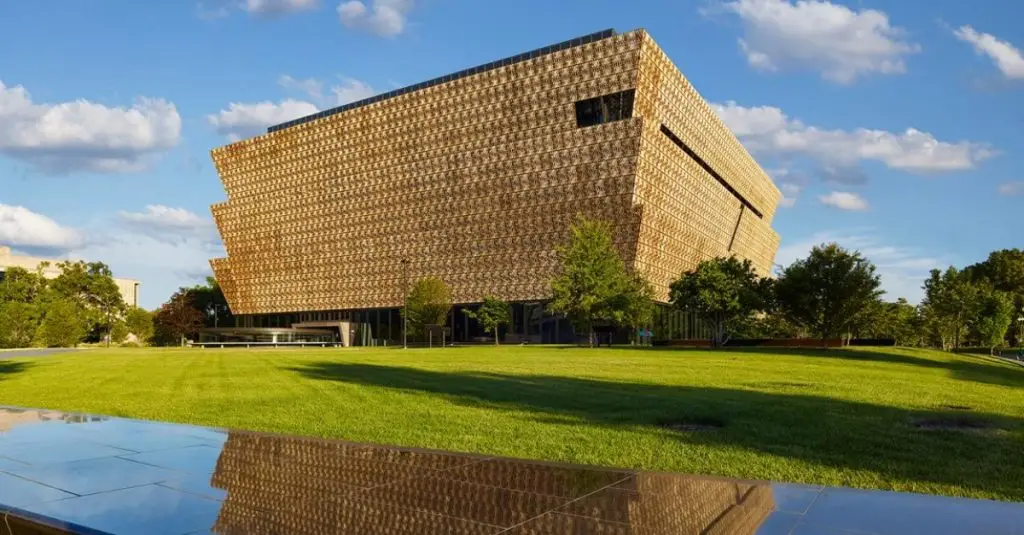
Since opening Sept. 24, 2016, the National Museum of African American History and Culture has welcomed more than 7.5 million in-person visitors and millions more through its digital presence. Occupying a prominent location next to the Washington Monument on the National Mall in Washington, D.C., the nearly 400,000-square-foot museum is the nation’s largest and most comprehensive cultural destination devoted exclusively to exploring, documenting and showcasing the African American story and its impact on American and world history. For more information about the museum, visit nmaahc.si.edu follow @NMAAHC on Twitter, Facebook and Instagram or call Smithsonian information at (202) 633-1000.
# # #
SI-110-2022
[ad_2]
Source link
Trending Topics

Features
- Drive Toolkit
Download and distribute powerful vaccination QI resources for your community.
- Health Champions
Sign up now to support health equity and sustainable health outcomes in your community.
- Cancer Early Detection
MCED tests use a simple blood draw to screen for many kinds of cancer at once.
- PR
FYHN is a bridge connecting health information providers to BIPOC communities in a trusted environment.
- Medicare
Discover an honest look at our Medicare system.
- Alliance for Representative Clinical Trials
ARC was launched to create a network of community clinicians to diversify and bring clinical trials to communities of color and other communities that have been underrepresented.
- Reducing Patient Risk
The single most important purpose of our healthcare system is to reduce patient risk for an acute event.
- Jessica Wilson
- Subash Kafle