














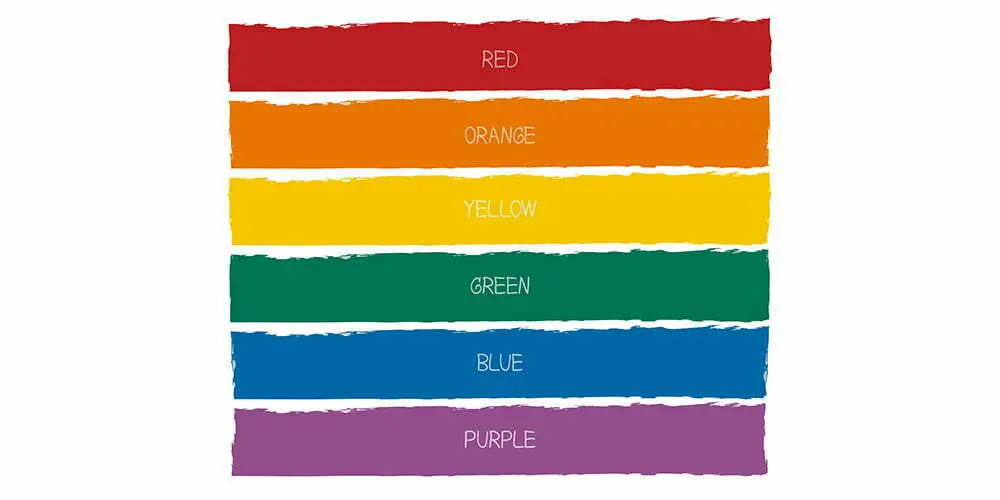
10 Most Common Hospital Emergency Codes and Their Meanings

[ad_1]

Since this article was originally published, six more states now recommend color code standardization for hospital emergencies.

This article, originally posted on Sept. 23, 2019, was updated on Feb. 18, 2022, to reflect current data.

Please note that these statistics aren’t updated regularly. Always check with your state’s hospital associations for the most up-to-date information.


Hospitals often use color codes to alert staff to an emergency or another significant event. These emergency codes allow trained hospital personnel to respond quickly and appropriately to various incidents.

Hospital emergency codes have often varied widely by location — even within hospitals in the exact same community. This potential for confusion has led many states to adopt standardized codes for all hospitals.

In 2000, the Hospital Association of Southern California (HASC) released a handbook, “Healthcare Emergency Codes: A Guide for Code Standardization,” strongly urging a uniform code system after three people were killed in a shooting incident after the wrong emergency code was called. Code Gray, which typically means a combative person, was announced, drawing staff members toward the shooter. At the time of this incident, in California hospitals, 47 different codes were used for infant abduction and 61 were used for a combative person.

Three years later, Maryland mandated that all acute hospitals in the state have uniform codes. According to a January 2020 report from the Iroquois Healthcare Association (IHA), other states that recommend color code standardization include Arizona, Colorado, Florida, Hawaii, Kansas, Kentucky, Louisiana, Maryland, New Hampshire, North Carolina, Ohio, Oregon, Rhode Island, Washington, West Virginia and Wisconsin.

When this article was originally published, six fewer states had recommended color code standardization, demonstrating the growing realization of its importance.

As of Jan. 2020, at least 25 state hospital associations recommend plain language alerts, including ColoradoFloridaIowaMinnesota, Missouri, North Carolina, New Jersey, New York, PennsylvaniaSouth Carolina, Texas and Wisconsin.

Other healthcare worker organizations that recommend the use of plain language include 12 different state hospital associations, patient safety organizations and healthcare worker organizations have recommended the use of plain language for hospital emergencies, including the Emergency Nurses Association (ENA), the American Hospital Association, the Federal Emergency Management Agency (FEMA), the US Department of Homeland Security (DHS), the National Incident Management System (NIMS), the Institute of Medicine, the Joint Commission, Centers for Disease Control and Prevention (CDC), the Food and Drug Administration (FDA), and Centers for Medicare and Medicaid Services.

It is important to note that while there is significant agreement among the 10 color code systems we’ll address in this article, there is no national standard for emergency color codes, leading to inconsistencies among standard systems that are used by each state. This is demonstrated in the chart below from IHA’s report.
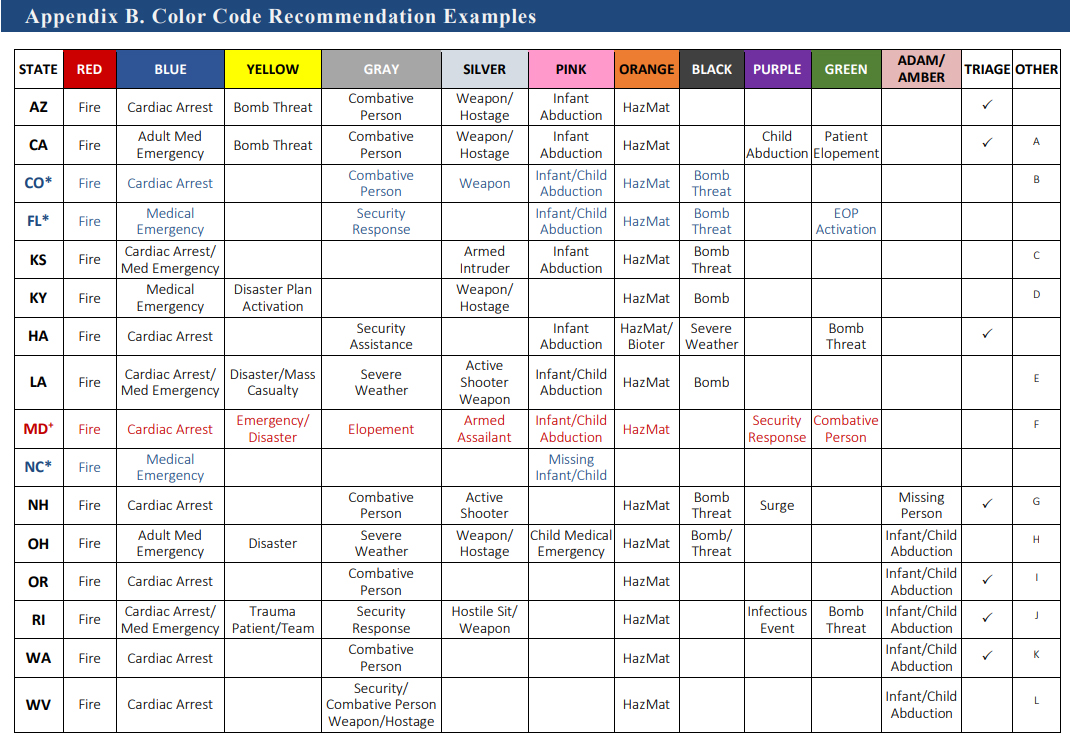
(Graphic: Hospital Emergency Codes Standardization and Plain Language Recommendations and Guidance, Iroquois Healthcare Association)

Code Blue

Code Blue means someone is experiencing a life-threatening medical emergency, typically an adult. It often means cardiac arrest or respiratory failure. All staff members near the location of the code may need to go to the patient. Most of the time, each employee has a preassigned role in the event of a Code Blue.

Code White

Code White indicates a baby or child is experiencing a life-threatening medical emergency. Having a different code for a pediatric emergency is important since treating children often requires specialized equipment.

Code Red

Code Red alerts hospital staff to a fire or probable fire. A Code Red may also be activated if someone smells or sees smoke. This code will often come with information about the fire’s location and will typically require evacuation.

Code Purple

Code Purple means a missing child or child abduction. In most cases, the hospital will go on lockdown during the search for the child to ensure no one leaves the building with them. The code is often accompanied by additional information, including what they were wearing, where they were last seen, who they were last seen with, etc.

Code Pink

Code Pink is similar to Code Purple but denotes an infant abduction.

Code Gray

Code Gray indicates a combative or aggressive person, requiring security personnel. It is also typically accompanied by a description of the dangerous person(s) and their location.

Code Orange

Code Orange can vary. While it also denotes a combative or aggressive person at some hospitals, at most, it means a call for medical decontamination, typically due to a hazardous fluids spill, like chemicals or patient blood.

Code Green

Code Green seems to be the most wavering code, but overall, it indicates the hospital is activating an emergency operations plan. Some hospitals use it to alert the arrival of patients from a mass casualty event while others use it to denote a missing high-risk patient. Typically, the code announcement also includes which emergency operations plan should be activated.

Code Silver

Code Silver alerts hospital staff to a person with a weapon and/or active shooter and/or hostage situation. Be sure not to confuse this with a Silver Alert, which some cities, including New York, use when there are missing seniors in imminent danger due to severe cognitive impairments or urgent need of medical care.

Code Black

Code Black indicates a bomb threat. Each hospital should have an evacuation protocol in the event of a bomb threat.

[ad_2]

Source link

Trending Topics

Features

Download and distribute powerful vaccination QI resources for your community.

Sign up now to support health equity and sustainable health outcomes in your community.

MCED tests use a simple blood draw to screen for many kinds of cancer at once.

FYHN is a bridge connecting health information providers to BIPOC communities in a trusted environment.

Discover an honest look at our Medicare system.

ARC was launched to create a network of community clinicians to diversify and bring clinical trials to communities of color and other communities that have been underrepresented.

The single most important purpose of our healthcare system is to reduce patient risk for an acute event.

Related Posts
Historic Cancer Leadership Milestone Highlights the Importance of Early Detection and Community Outreach
HPV Overtakes Smoking as Leading Cause of Throat Cancer
Former NMQF 40 Under 40 Honoree Brandi Kaye Freeman Takes Helm of National Medical Association
Scroll to Top
Featured Articles
Historic Cancer Leadership Milestone Highlights the Importance of Early Detection and Community Outreach
Historic Cancer Leadership Milestone Highlights the Importance of Early Detec...
HPV Overtakes Smoking as Leading Cause of Throat Cancer
Brandi Kaye Freeman NMA President and Health Equity Leader
Former NMQF 40 Under 40 Honoree Brandi Kaye Freeman Takes Helm of National Me...
National Immunization Awareness Month Highlights Persistent Vaccine Gaps in Black and Brown Communities
National Immunization Awareness Month Highlights Persistent Vaccine Gaps in B...
Vibrio vulnificus Florida First 2026 Death Reported Fyh.news
Florida Reports First 2026 Death Linked to Vibrio vulnificus as Cases Rise to 12
Levothyroxine Recall Check Affected Thyroid Medication Lots Fyh.news
Nationwide Levothyroxine Recall: Patients Urged to Check Thyroid Medication Lots
Categories
AI
ATTR-CM
BIPOC News
Cancer
Clinical Trials
Covid19
Diseases of the Body
Environment
Health Data
Health Equity Events
Health Policy
Health Tips
Subscribe to our newsletter to receive our latest news​
All Stories
Historic Cancer Leadership Milestone Highlights the Importance of Early Detection and Community Outreach
Historic Cancer Leadership Milestone Highlights the Importance of Early Detec...
HPV Overtakes Smoking as Leading Cause of Throat Cancer
Brandi Kaye Freeman NMA President and Health Equity Leader
Former NMQF 40 Under 40 Honoree Brandi Kaye Freeman Takes Helm of National Me...
BIPOC News
Historic Cancer Leadership Milestone Highlights the Importance of Early Detection and Community Outreach
Historic Cancer Leadership Milestone Highlights the Importance of Early Detec...
HPV Overtakes Smoking as Leading Cause of Throat Cancer
Brandi Kaye Freeman NMA President and Health Equity Leader
Former NMQF 40 Under 40 Honoree Brandi Kaye Freeman Takes Helm of National Me...
Environment
UV Safety Awareness Month Raises Urgency on Skin Cancer Prevention and Sun Protection Equity
UV Safety Awareness Month Raises Urgency on Skin Cancer Prevention and Sun Pr...
Extreme Heat Safety Tips 5 Ways to Protect Your Health This Summer fyh.news
5 Heat Safety Tips That Could Protect Your Health This Summer
Lupus Awareness Event in Baltimore Aims to Support Research and Shine a Light on Health Disparities
Lupus Awareness Event in Baltimore Aims to Support Research and Shine a Light...
Work Force
A multigenerational Black and Hispanic family sitting together in a park, showing how Social Security helps support older adults, people with disabilities, and families across generations.
Millions of Older Americans Could Face Smaller Social Security Checks by 2032...
dreamstime_s_243253251
The Caregiver Journey: The Hidden Backbone of American Healthcare
Families gather at a Bronx community festival with live music, kids’ activities, and health booths sharing SOMOS social care resources and free screenings.
Celebrating Hispanic heritage while learning about health care

[xyz-ips snippet=”Output-Source-Name”]

Clinical Trials
Historic Cancer Leadership Milestone Highlights the Importance of Early Detection and Community Outreach
Historic Cancer Leadership Milestone Highlights the Importance of Early Detec...
House Advances Bipartisan EARLY Act Reauthorization, Renewing Focus on Early Breast Cancer Detection for Young Women
House Advances Bipartisan EARLY Act Reauthorization, Renewing Focus on Early ...
Early Cancer Detection Is Entering a New Era. Flint Is Helping Lead the Way.
Vaccines and Outbreaks
HPV Overtakes Smoking as Leading Cause of Throat Cancer
Cyclospora Outbreak Linked to Lettuce Sickens 1,600+ fyh.news
Cyclospora Outbreak Linked to Recalled Lettuce Sickens More Than 1,600 Across...
A parent checking a child's temperature during summer, illustrating the changing RSV patterns and year-round respiratory virus risks.
Can You Get RSV During the Summer?
Other Categories
AI
Read the latest AI News stories trending around the world
ATTR-CM
Cancer
Read the latest Cancer stories trending around the world
Covid19
Diseases of the Body
Read about the latest Diseases of the Body trending around the world
Friday Webinars
Every Friday, we bring you insightful webinars covering critical topics in healthcare, data equity, and policy reform.
Health Data
Read the latest Health Data stories trending around the world
Health Equity Events
Read the best Health Equity Events around the country.
Health Policy
Read the latest Health Policy stories trending around the world
Health Tips
Heart Health
Read the latest on Heart Health News, Stories and Tips.
kidney Health
Read more trending News about Kidney Health, Stories and Tips.


