













China is developing its own mRNA vaccine – and it's showing early promise

[ad_1]

  <span class="attribution"><a class="link " href="https://www.shutterstock.com/image-photo/female-research-scientist-uses-micropipette-filling-691541080" rel="nofollow noopener" target="_blank" data-ylk="slk:Gorodenkoff/Shutterstock">Gorodenkoff/Shutterstock</a></span>

China, the country that first detected the novel coronavirus, remains one of the few not to have imported one of the exceptionally effective mRNA COVID vaccines developed by Pfizer and Moderna. Instead, it has so far relied on vaccines developed by two Chinese companies, Sinovac and Sinopharm. However, this may be set to change. China is now developing its own mRNA vaccine.

Both the Sinovac and Sinopharm vaccines use a traditional design, containing whole forms of the coronavirus that have been inactivated – a tried-and-tested way of making vaccines that work. However, while these vaccines were initially quite good at stopping people getting symptomatic COVID, this protection waned significantly over time. These vaccines also offer poor protection against infection with omicron. This has put pressure on China to develop more effective vaccines, as it is pursuing a strict containment policy with the virus.

The mRNA vaccines work in a different way. They deliver a snippet of the coronavirus’s genetic code into the body, housed inside a lipid droplet. Once this gets inside cells, the code gets read and the cells produce copies of a key part of the coronavirus, its spike protein. The immune system then sees these spike proteins and mounts a response to them, generating immunity against the full virus should it be encountered in the future.

The mRNA vaccines initially generated high levels of protection against getting COVID. And while the protection offered by two doses wanes over time and offers little protection against infection with omicron, the mRNA vaccines appear to offer the best protection against an omicron infection when used as boosters. They also continue to offer very impressive protection against severe disease. Early results suggest a third dose of Sinovac, in comparison, is unable to stop infection with the new variant (though these results are still in preprint, meaning they’re awaiting review by other scientists).

Enter ARCoV

The mRNA vaccine technology therefore looks like it will offer the best protection against COVID in the future – hence China’s development of such a vaccine. But it hasn’t just jumped on the bandwagon. Development of ARCoV, China’s candidate mRNA vaccine, commenced in March 2020. The technology used is very similar to that in the Pfizer and Moderna vaccines, using modified messenger RNA from the virus, housed in a lipid droplet, to stimulate immunity.
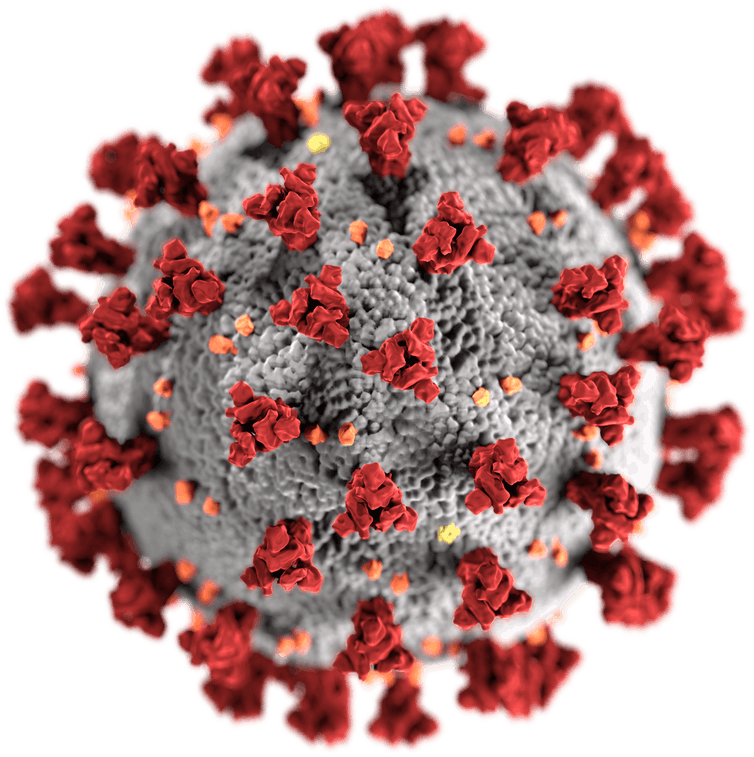
Illustration of the SARS-CoV-2, showing the spike proteins on its surface
Existing mRNA vaccines create whole copies of the virus’s spike proteins (red). ARCoV just makes a small part of the spike. US CDC/Wikimedia Commons

But rather than getting the immune system to respond to the full spike protein of the virus like the Pfizer and Moderna vaccines do, ARCoV gets the body to make copies of the receptor binding domain (RBD), a key subpart of the virus’s spike protein that it uses to attach to and enter cells. This part of the virus seems to be especially recognisable by the immune system, which suggests that targeting it could have a particularly good protective effect.

Another potential advantage ARCoV has over the earlier mRNA vaccines is that it is stable at 2-8°C for at least a month, which would make transporting, storing and delivering the vaccine much easier.

How well does it work?

The results of an initial study of the vaccine in humans, where 120 volunteers were vaccinated with varying doses, were published in January 2022 in the Lancet. The vaccine was found to be safe, but there was a higher rate of fever after vaccination, especially at higher doses, than was seen in early studies of the other mRNA vaccines. However, these fevers were short lived.

The study also measured the levels of antibodies and T cells against the virus that the volunteers produced after being vaccinated. The best antibody and T-cell responses were seen in the intermediate-dose group, with higher doses leading to a lower response. It’s not 100% clear why this was the case, but this may be due to the body’s non-specific immune response (its general purpose defences that attack all sorts of foreign invaders) destroying the vaccine at higher doses before it could have its desired effect.

And even in those receiving the intermediate dose, the antibodies and T-cell responses recorded were also lower than those generated by the existing mRNA vaccines, which raises questions around how effective this vaccine will be. However, the results of a much larger ongoing study will be needed to properly assess this. That larger trial will involve over 28,000 participants across China, Mexico and Indonesia and will be using the intermediate dose that was shown to work best in this initial study.

Some interim results are to be expected in the coming months. There’s also another trial underway that’s studying giving ARCoV as a booster following the Sinovac or Sinopharm vaccines. The results of these studies – both in terms of whether there are any adverse events and how well ARCoV prevents infection, severe disease and death – will dictate the future of this vaccine and China’s future approach to COVID. Should it fail, will China seek to purchase the some of the proven Pfizer and Moderna mRNA vaccines instead? Time will tell.

This article is republished from The Conversation under a Creative Commons license. Read the original article.

The Conversation

The Conversation

Eoghan De Barra receives funding from Health Research Board of Ireland

[ad_2]

Source link

Trending Topics

Features

Download and distribute powerful vaccination QI resources for your community.

Sign up now to support health equity and sustainable health outcomes in your community.

MCED tests use a simple blood draw to screen for many kinds of cancer at once.

FYHN is a bridge connecting health information providers to BIPOC communities in a trusted environment.

Discover an honest look at our Medicare system.

ARC was launched to create a network of community clinicians to diversify and bring clinical trials to communities of color and other communities that have been underrepresented.

The single most important purpose of our healthcare system is to reduce patient risk for an acute event.

Related Posts
FDA Gives Egg Recall Highest-Risk Class I Designation Over Salmonella Outbreak
Lucy Davis Reveals Incurable Stage 4 Breast Cancer, Urges Women Not to Ignore Subtle Changes
September Cancer Awareness: NMQF’s Role in Cancer Education and Health Access
Scroll to Top
Featured Articles
Class I Salmonella Egg Recall What to Know Fyh.news
FDA Gives Egg Recall Highest-Risk Class I Designation Over Salmonella Outbreak
Lucy Davis Breast Cancer: Stage 4 Diagnosis Revealed | Fyh.news
Lucy Davis Reveals Incurable Stage 4 Breast Cancer, Urges Women Not to Ignore...
September Cancer Awareness: NMQF’s Role in Cancer Education and Health Access
New Federal Rule on Gender-Affirming Care Raises Health Access Concerns for Transgender Youth
New Federal Rule on Gender-Affirming Care Raises Health Access Concerns for T...
Parent learning about new childhood vaccine changes
Childhood Vaccine Changes: What Families Need to Know
Taylor Farms Recalls Jalapeño-Containing Foods as Salmonella Outbreak Sickens 345 Across 27 States
Taylor Farms Recalls Jalapeño-Containing Foods as Salmonella Outbreak Sickens...
Categories
AI
ATTR-CM
BIPOC News
Cancer
Clinical Trials
Covid19
Diseases of the Body
Environment
Health Data
Health Equity Events
Health Policy
Health Tips
Subscribe to our newsletter to receive our latest news​
All Stories
Class I Salmonella Egg Recall What to Know Fyh.news
FDA Gives Egg Recall Highest-Risk Class I Designation Over Salmonella Outbreak
Lucy Davis Breast Cancer: Stage 4 Diagnosis Revealed | Fyh.news
Lucy Davis Reveals Incurable Stage 4 Breast Cancer, Urges Women Not to Ignore...
September Cancer Awareness: NMQF’s Role in Cancer Education and Health Access
BIPOC News
September Cancer Awareness: NMQF’s Role in Cancer Education and Health Access
Historic Cancer Leadership Milestone Highlights the Importance of Early Detection and Community Outreach
Historic Cancer Leadership Milestone Highlights the Importance of Early Detec...
HPV Overtakes Smoking as Leading Cause of Throat Cancer
Environment
UV Safety Awareness Month Raises Urgency on Skin Cancer Prevention and Sun Protection Equity
UV Safety Awareness Month Raises Urgency on Skin Cancer Prevention and Sun Pr...
Extreme Heat Safety Tips 5 Ways to Protect Your Health This Summer fyh.news
5 Heat Safety Tips That Could Protect Your Health This Summer
Lupus Awareness Event in Baltimore Aims to Support Research and Shine a Light on Health Disparities
Lupus Awareness Event in Baltimore Aims to Support Research and Shine a Light...
Work Force
A multigenerational Black and Hispanic family sitting together in a park, showing how Social Security helps support older adults, people with disabilities, and families across generations.
Millions of Older Americans Could Face Smaller Social Security Checks by 2032...
dreamstime_s_243253251
The Caregiver Journey: The Hidden Backbone of American Healthcare
Families gather at a Bronx community festival with live music, kids’ activities, and health booths sharing SOMOS social care resources and free screenings.
Celebrating Hispanic heritage while learning about health care

[xyz-ips snippet=”Output-Source-Name”]

Clinical Trials
Historic Cancer Leadership Milestone Highlights the Importance of Early Detection and Community Outreach
Historic Cancer Leadership Milestone Highlights the Importance of Early Detec...
House Advances Bipartisan EARLY Act Reauthorization, Renewing Focus on Early Breast Cancer Detection for Young Women
House Advances Bipartisan EARLY Act Reauthorization, Renewing Focus on Early ...
Early Cancer Detection Is Entering a New Era. Flint Is Helping Lead the Way.
Vaccines and Outbreaks
Class I Salmonella Egg Recall What to Know Fyh.news
FDA Gives Egg Recall Highest-Risk Class I Designation Over Salmonella Outbreak
Taylor Farms Recalls Jalapeño-Containing Foods as Salmonella Outbreak Sickens 345 Across 27 States
Taylor Farms Recalls Jalapeño-Containing Foods as Salmonella Outbreak Sickens...
HPV Overtakes Smoking as Leading Cause of Throat Cancer
Other Categories
AI
Read the latest AI News stories trending around the world
ATTR-CM
Cancer
Read the latest Cancer stories trending around the world
Covid19
Diseases of the Body
Read about the latest Diseases of the Body trending around the world
Friday Webinars
Every Friday, we bring you insightful webinars covering critical topics in healthcare, data equity, and policy reform.
Health Data
Read the latest Health Data stories trending around the world
Health Equity Events
Read the best Health Equity Events around the country.
Health Policy
Read the latest Health Policy stories trending around the world
Health Tips
Heart Health
Read the latest on Heart Health News, Stories and Tips.
kidney Health
Read more trending News about Kidney Health, Stories and Tips.



